
Home › Blog › How Often Should You Visit the Dentist?
Oral Health TipsHow Often Should You Visit the Dentist?

There is no single dental-visit schedule that suits everyone. Your dentist should recommend an interval based on your current oral health, previous problems and risk of future disease. Ask what the next visit is for, why that timing is recommended and what would mean you should return sooner.
Your Dental Visit Schedule Should Fit Your Needs
A dental examination assesses your teeth, gums and other oral tissues and helps plan follow-up. A routine cleaning, a checkup and maintenance after gum treatment do not necessarily need the same schedule. Your interval can change as your health and treatment needs change.
Insurance frequency limits describe what a plan may pay for. They do not establish how often you need clinical care. If cost or scheduling is a concern, discuss it with the team so you understand the recommendation and available options.
What Can Change Your Recall Interval?
Your dentist considers findings from the examination alongside your history and daily care. Factors that may call for closer monitoring include:
- Recent cavities, early decay or restorations that need review.
- Bleeding gums, gum pockets or a history of periodontal treatment.
- Dry mouth, including symptoms associated with medicines or a health condition.
- Diabetes, tobacco use or changes in medical history that affect oral health.
- Difficulty cleaning your teeth or managing dentures, implants or an orthodontic appliance.
- Active treatment or a specific finding that needs reassessment.
After treatment for periodontitis, maintenance is planned around the disease history, response to treatment and risk of recurrence. A person with stable oral health and lower risk may need a different interval. Neither situation can be decided from age or the calendar alone.
How Needs Differ Across Life Stages
| Situation | What helps determine the plan? |
|---|---|
| Children | Tooth development, cavity risk, home care and any findings that need follow-up. Ask the dental team about the first visit and subsequent recalls. |
| Adults | Current tooth and gum health, previous decay, medicines, habits and ongoing treatment. |
| Older adults | Dry mouth, existing dental work, dentures or implants, medical changes and ability to manage daily care—not age alone. |
| Pregnancy | Changes in gum health, symptoms and individual treatment needs. Tell the dentist about the pregnancy and medicines; do not postpone advice about pain or infection. |
Parents can discuss preventive care and visit planning through our children’s dentistry service. The goal is a plan the family understands, with a clear reason for the next appointment.
What If You Are Overdue—or Have New Symptoms?
Missing an appointment does not lead to the same problem on the same timetable for everyone. However, decay and gum disease may develop without obvious pain. If you are overdue, book an assessment and tell the team about any changes since your last visit. There is no need to wait until a tooth hurts.
New or persistent pain, a broken tooth, swelling, pus, recurring bleeding or a loose tooth should be discussed promptly rather than saved for a routine checkup. For an urgent problem, contact the clinic about emergency dental care and appointment availability.
Trouble breathing or swallowing, swelling around the eye or rapidly spreading swelling requires emergency medical care. Do not wait for a dental appointment in those circumstances.
Exams, Cleanings and X-Rays Have Different Purposes
Dental examination
The dentist reviews your concerns and medical history, examines your mouth and explains any findings. Further tests or treatment are recommended when needed. Bring a current medicine list and mention sensitivity, bleeding, changes in your bite or a sore that has not healed.
Professional cleaning
A professional dental cleaning removes deposits that home care cannot fully address. The type of cleaning and follow-up depend on your gum health and assessment. Periodontal treatment and maintenance may involve a different plan from routine preventive cleaning.
X-rays when clinically needed
X-rays are not automatically needed at every visit. The decision depends on examination findings, symptoms, previous images and individual risk. Our guide to how often dental X-rays are needed explains why imaging should answer a clinical question rather than follow a fixed calendar.
Make the Next Appointment Useful
- Bring your current medicines and relevant medical updates.
- Describe symptoms, including when they started and what triggers them.
- Ask what was found and what you can do at home.
- Confirm whether the next visit is for an exam, cleaning, treatment or reassessment.
- Ask for an estimate and check any coverage limits before planned treatment.
If anxiety has delayed your visit, say so when booking. Our guide to managing dental anxiety explains ways to discuss your concerns, breaks and comfort options with the team.
Questions to Ask About Your Schedule
- What findings or risk factors led to this recommendation?
- Do my exam and cleaning need the same interval?
- What symptoms should make me contact you sooner?
- Could the interval change if my oral health improves?
- What is covered, and what might I need to pay myself?
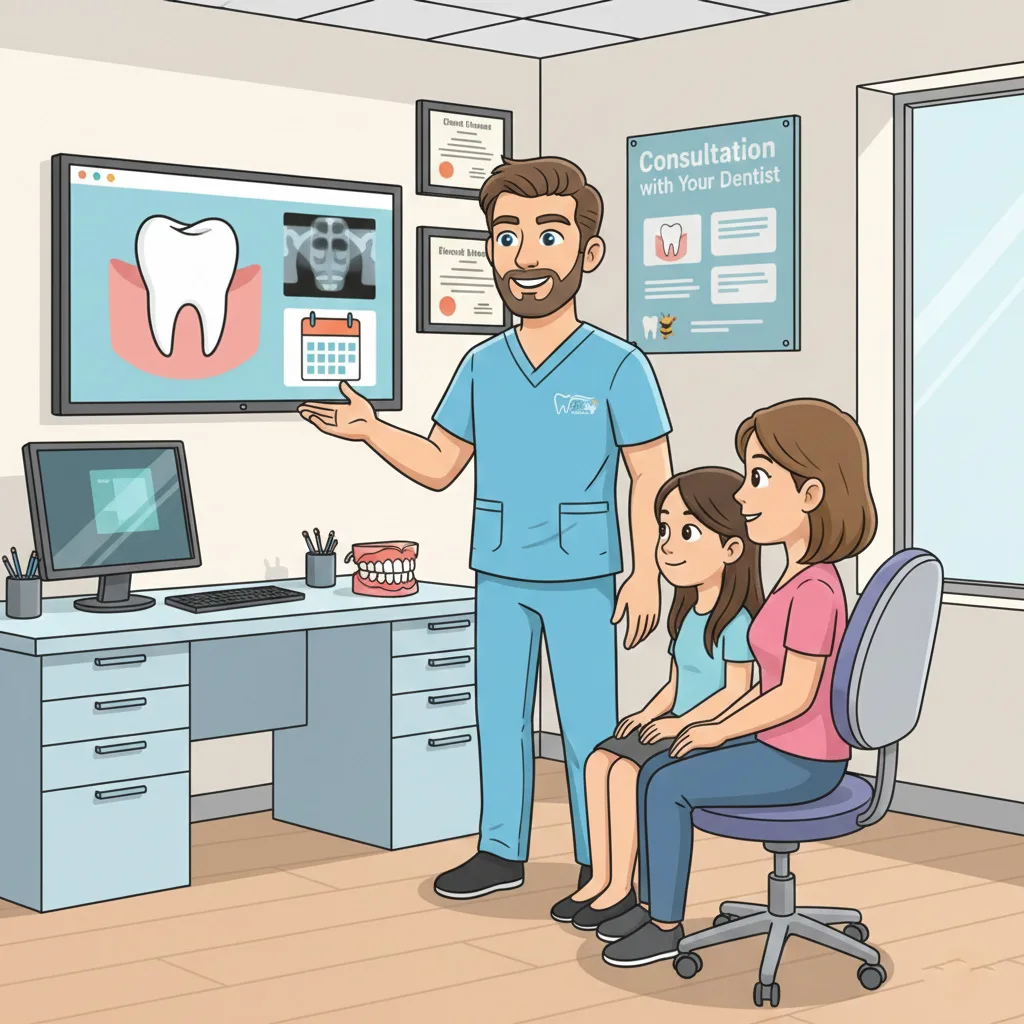
Plan Your Next Visit
If you are unsure when to return, contact your BluSky dental clinic. Tell the team when you last attended and whether you have symptoms. After an assessment, you can agree on a follow-up plan that reflects your needs and understand when to seek help sooner.
Frequently Asked Questions
How often should adults visit the dentist?
There is no universal interval. Your dentist considers current findings, previous decay or gum disease, medical history and other risks. Ask why a particular interval is recommended and when it should be reviewed.
How often should children visit the dentist?
The dental team recommends recalls based on the child’s development, oral health and cavity risk. Ask about the first visit and the reason for each follow-up rather than assuming every child needs the same schedule.
What if I have not been to the dentist in years?
Start by arranging an assessment and telling the team about symptoms, medicines and any worries. The dentist can explain the findings and discuss priorities, treatment options and costs with you.
Does insurance determine how often I should attend?
No. A plan’s frequency limits determine coverage, while clinical recommendations depend on your needs. Check your benefits and ask about likely out-of-pocket costs before planned treatment.
Do I need X-rays at every checkup?
No. Imaging is selected when it is needed to answer a clinical question, taking account of your examination, history, risk and previous images.
What if I am afraid of the dentist?
Tell the team when you book. Discuss what worries you, how to signal for a break and which comfort options may be appropriate. Any sedation requires a separate suitability assessment and instructions.
Schedule Your Visit
How long has it been since your last checkup? There's no time like the present.

Love Sweets? 7 Ways to Protect Your Teeth
Love dessert? You don't have to give it up to protect your teeth - 7 simple, dentist-backed habits to enjoy sweets with less risk to your smile.
Read more →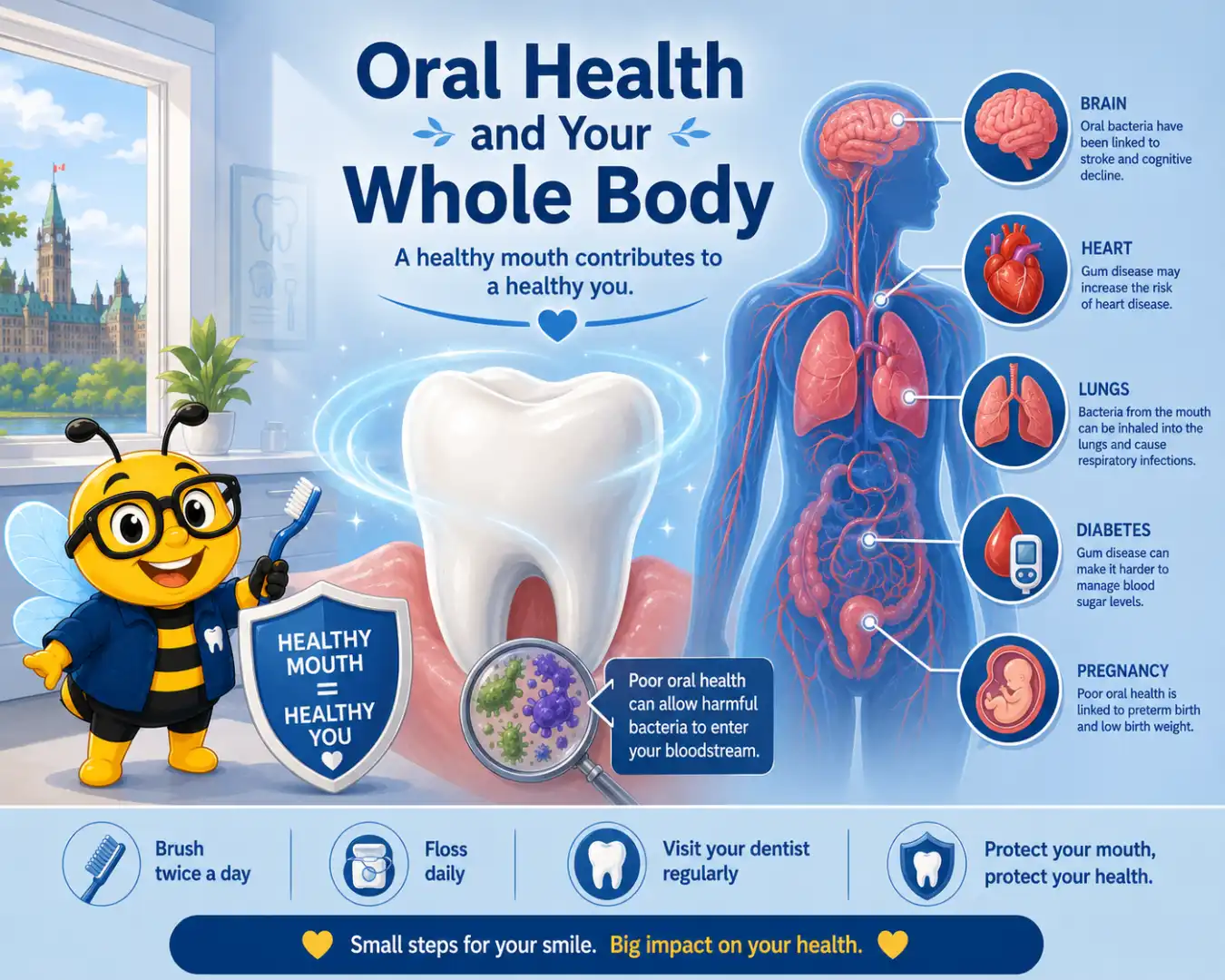
Oral Health and Your Whole Body
Explore what research says about oral health and other health conditions, including the difference between an association and a proven cause.
Read more →
Why Preventive Dentistry Saves Thousands
Learn how preventive care and early assessment can help with treatment planning, and why costs depend on your individual needs.
Read more →