
Home › Blog › Dental Bonding: Small Fixes, Big Difference
Cosmetic DentistryDental Bonding: Small Fixes, Big Difference
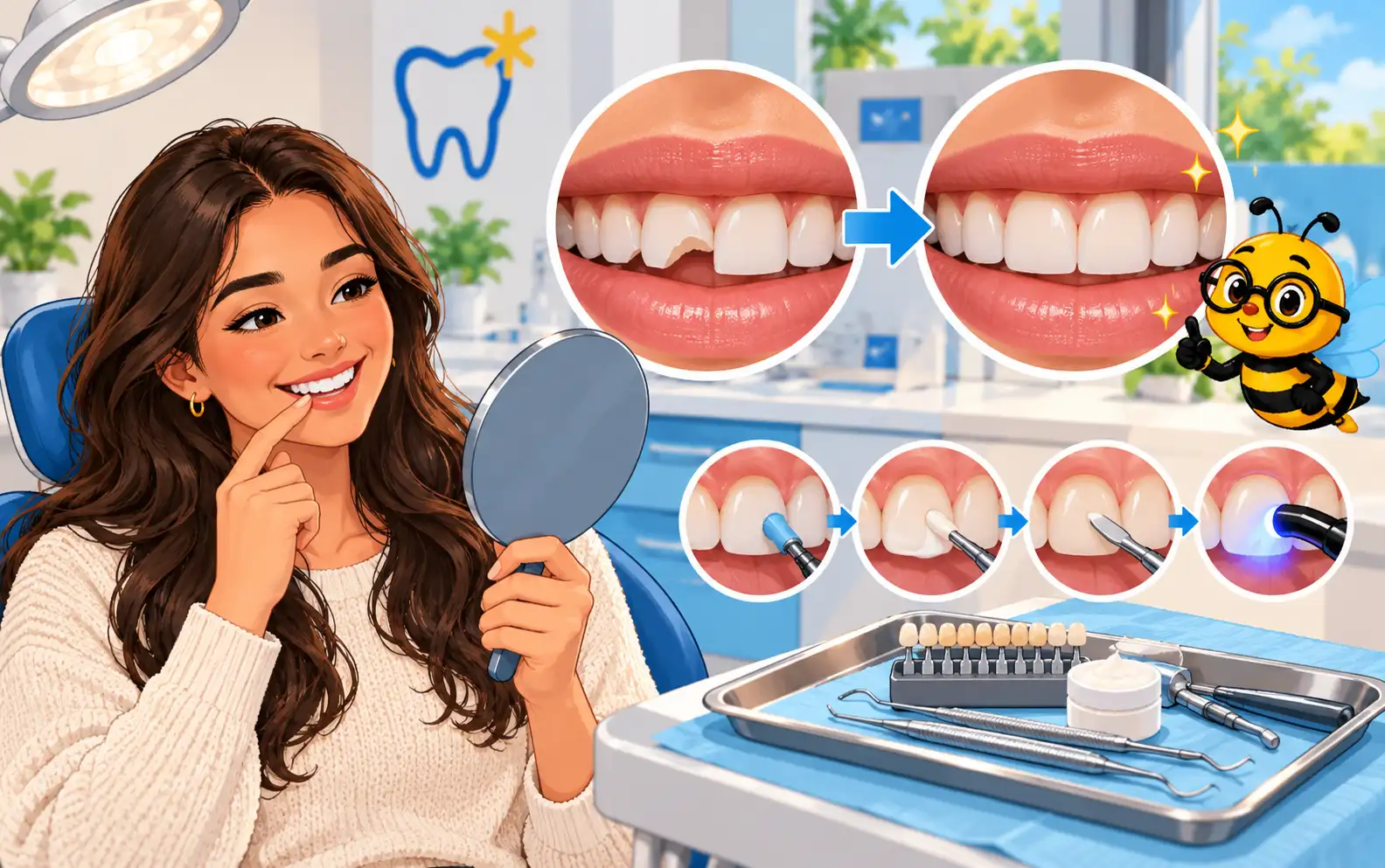
The Quick, Affordable Way to Refine Your Smile
Not every smile improvement calls for a major procedure. If you're bothered by a small chip, a little gap, or a tooth that's slightly the wrong shape, cosmetic bonding is often the simplest fix - a tooth-coloured resin sculpted directly onto the tooth and hardened with a curing light, usually in a single visit. It's one of the most conservative and affordable options in cosmetic dentistry, and for the right situation it makes a surprising difference. Here's what Ottawa patients should know.
What Bonding Can Fix
Bonding is a versatile little tool. Your dentist can use it to:
- Repair a small chip or crack.
- Close a minor gap between teeth.
- Reshape a tooth that's uneven, worn, or short.
- Cover a stubborn stain that whitening won't lift.
- Protect a root surface exposed by gum recession.
For a purely cosmetic refresh - the "I just want this one thing fixed" cases - it's often all you need.
What Happens in the Chair
One of the nicest things about bonding is how easy it is. Because we're adding to the tooth rather than drilling into it, most bonding needs no freezing at all. We match the resin to your tooth shade, lightly prepare the surface, then apply and sculpt the composite in layers, curing each one. A final polish blends it in. Start to finish, it's about 30 to 60 minutes per tooth, and you walk out with the result the same day.
Bonding vs. Veneers: Which Makes Sense?
Bonding and porcelain veneers both improve the look of a tooth, but they suit different goals. Bonding uses composite resin, removes little or no enamel, is done in one visit, and costs less - ideal for minor, single-tooth fixes. Veneers use porcelain, last longer, and resist staining better, which makes them the choice for a bigger, multi-tooth transformation. For small touch-ups, bonding usually wins on cost and simplicity.
Cost, Longevity, and a Whitening Tip
Bonding costs significantly less than veneers or crowns, which is a big part of its appeal - during a consultation we'll give you a clear estimate for your specific case and check your insurance. With good care it typically lasts 5 to 10 years before a touch-up. One tip: composite doesn't lighten the way natural enamel does, so if you're planning to whiten, do it first, and we'll match the bonding to your brighter shade.
Caring for Bonded Teeth
Bonded teeth need nothing special - just brush and floss as usual, avoid biting hard objects like ice or pens, and go easy on staining culprits like coffee, tea, and red wine. If bonding ever chips, it can usually be repaired rather than replaced.
Is Bonding Right for You?
Bonding is a great fit if you want a conservative, budget-friendly fix for a minor imperfection, or a quick improvement before an event. For major transformations or maximum durability, we may suggest veneers or a smile makeover instead - and we'll tell you honestly which route serves you best.
Refresh Your Smile in a Single Visit
Curious whether bonding could fix what's bugging you? Book a consultation at BluSky Dental and we'll take a look. Complete your new patient forms online to save time.
Refresh Your Smile in a Single Visit
Curious whether bonding could fix what's bugging you? Book a consultation at BluSky Dental and we'll take a look.
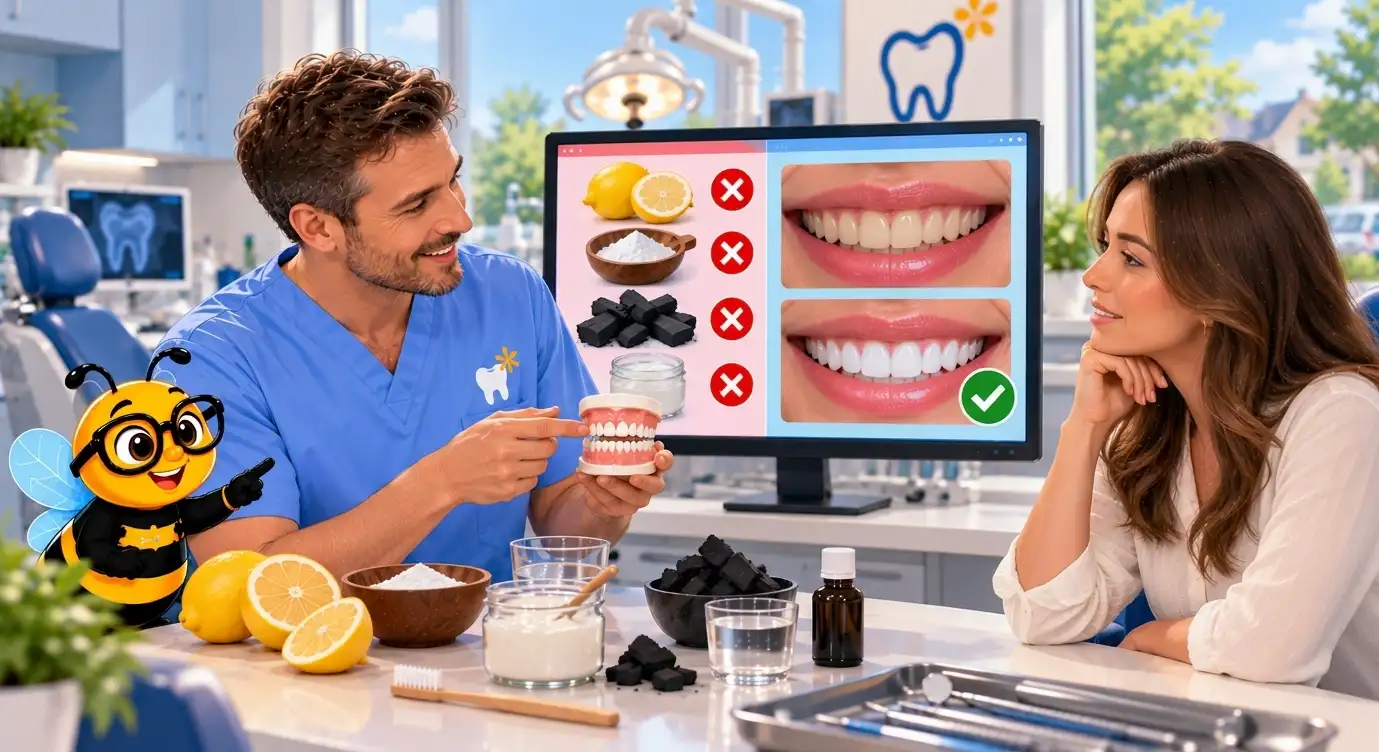
Do Viral Whitening Hacks Actually Work?
Charcoal, baking soda, lemon, oil pulling - do viral teeth-whitening hacks actually work? A dentist's honest take on what's safe, what harms enamel, and what works.
Read more →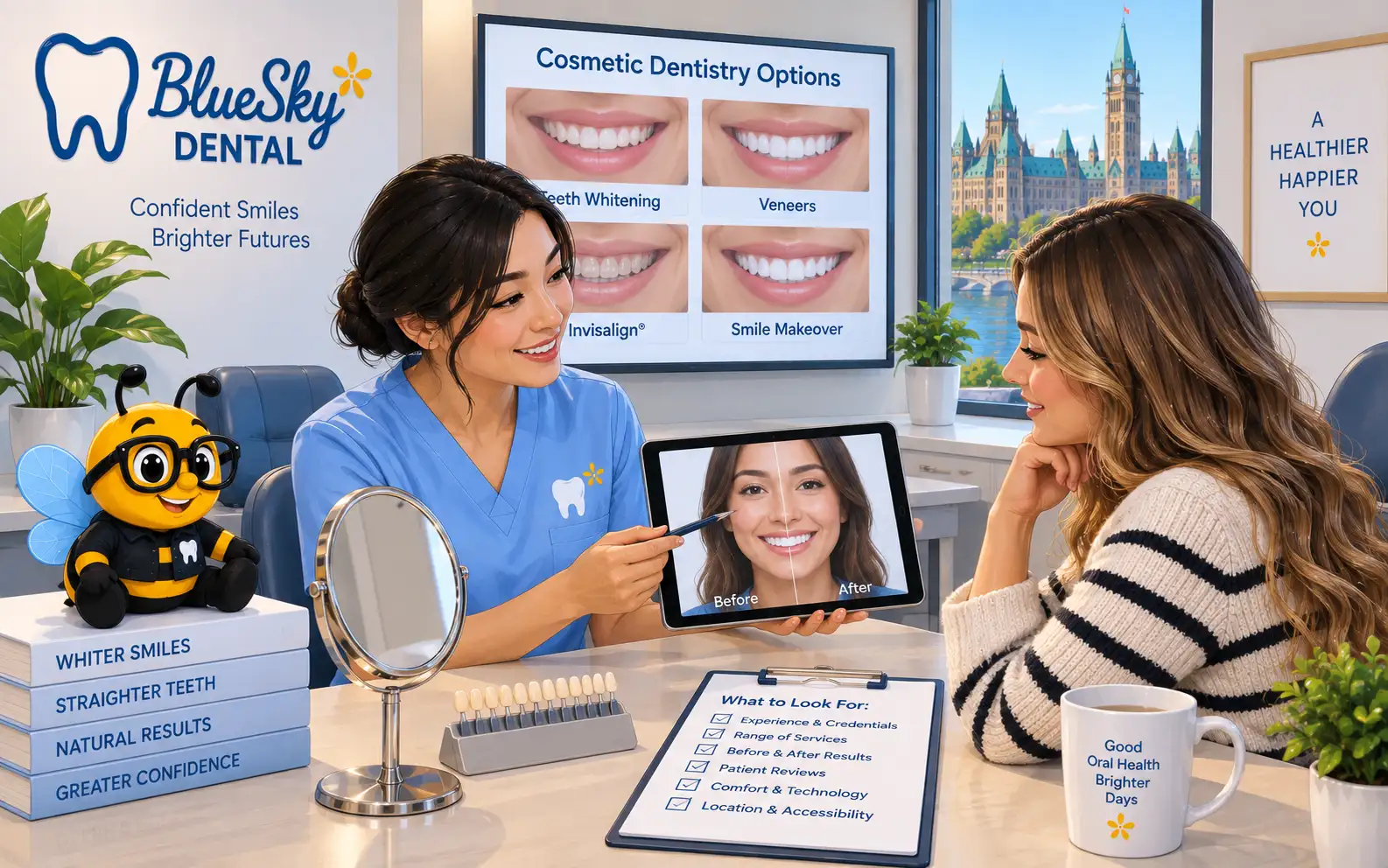
How to Choose a Cosmetic Dentist in Ottawa
How to choose a cosmetic dentist in Ottawa: the training, real before-and-after work, digital technology, and consultative approach that set a skilled cosmetic dentist apart.
Read more →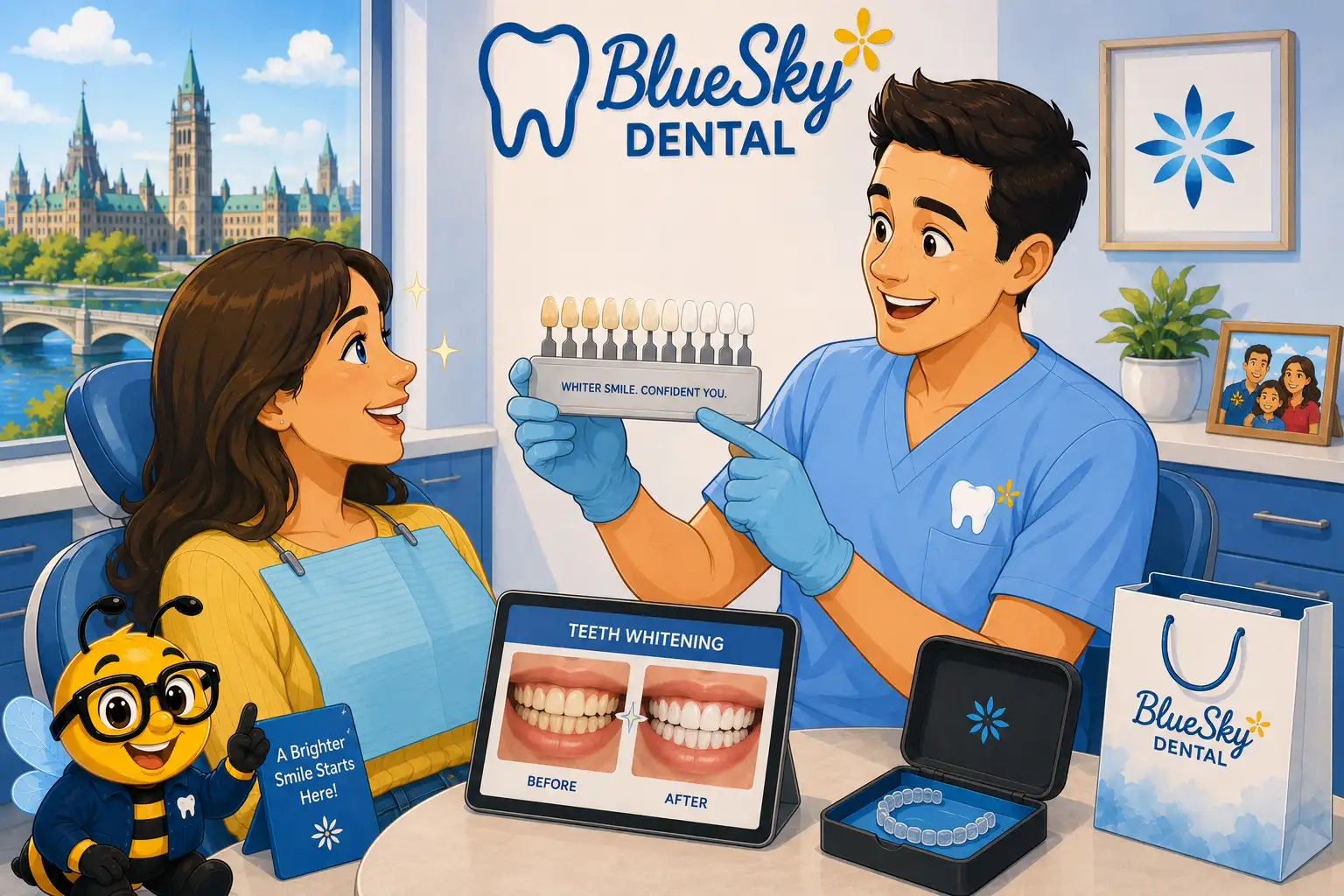
Teeth Whitening in Ottawa
How professional take-home whitening compares with over-the-counter strips, kits, and toothpastes on effectiveness, safety, cost, and longevity - plus why a dentist's supervision matters and how to keep your results.
Read more →