Signs You Need a Root Canal
Recognizing the warning signs can help you save your tooth.

Nobody wants to hear they need a root canal—but ignoring the signs can lead to worse problems. The good news? Modern root canals are comfortable procedures that relieve pain and save teeth. Here's how to know if you might need one.
What Is a Root Canal?
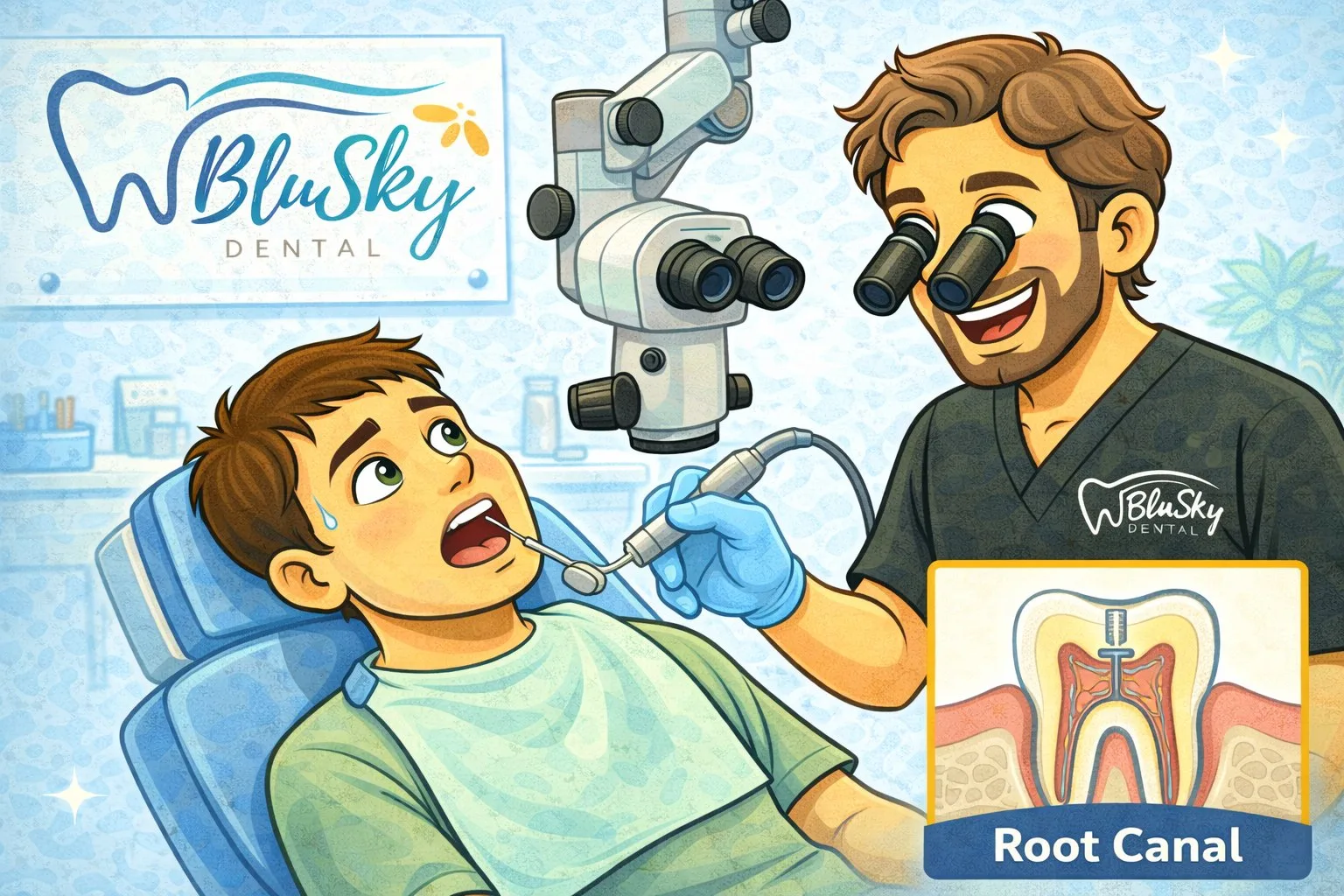
A root canal treats infection or damage inside a tooth. The procedure:
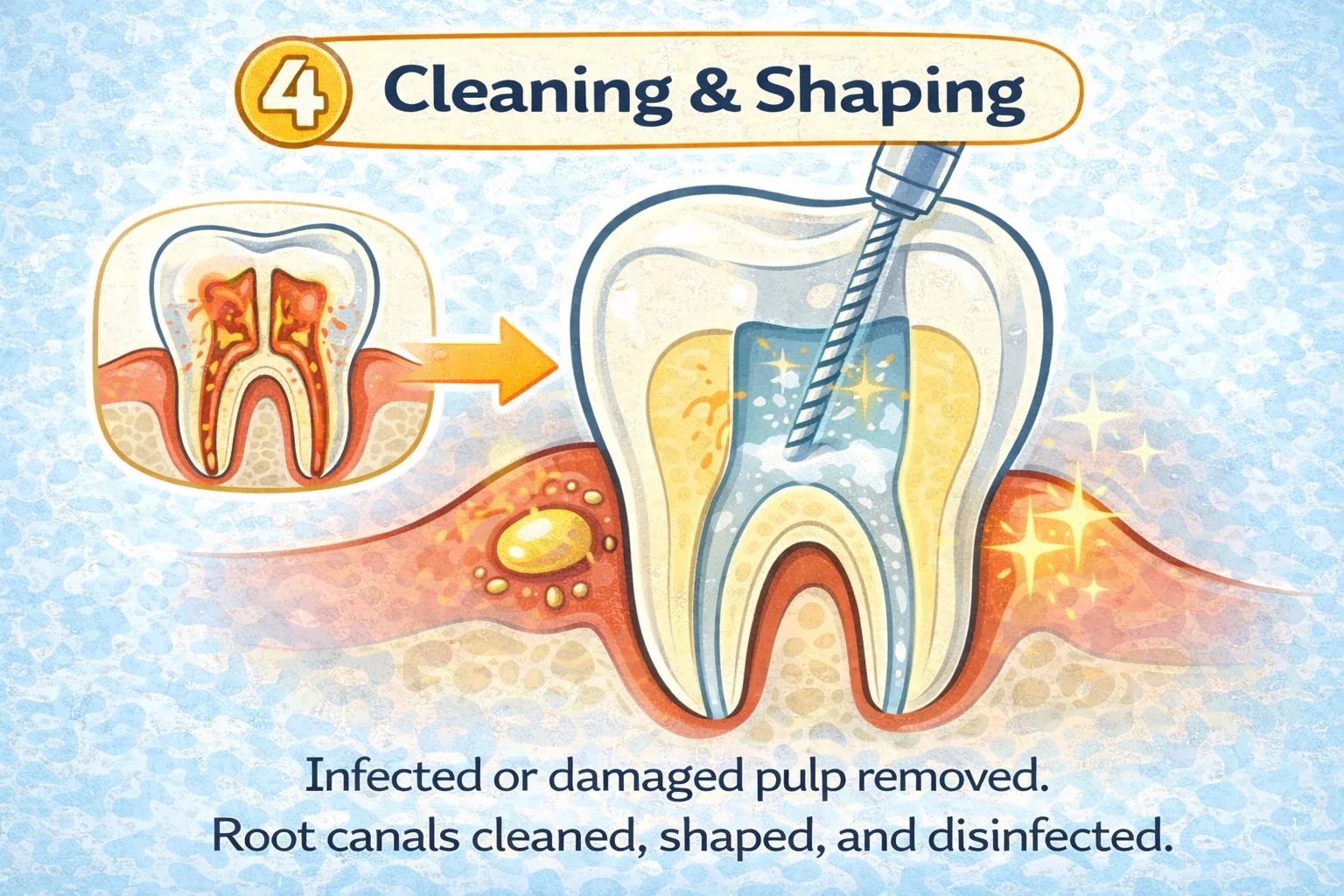
- Removes infected pulp (nerve and tissue inside tooth)
- Cleans and disinfects the inner chamber
- Fills and seals the space
- Saves the tooth from extraction
Warning Signs to Watch For
1. Persistent Tooth Pain
The Sign:
Pain that doesn't go away—lasting days or weeks rather than coming and going.
What It Feels Like:
- Deep, throbbing ache
- Pain in the tooth, jaw, or face
- Pain that wakes you at night
- Constant or near-constant discomfort
Why It Matters:
Persistent pain often indicates the nerve inside the tooth is dying or infected. Unlike sensitivity that comes and goes, this pain lingers.
2. Sensitivity to Hot and Cold
The Sign:
Pain when eating or drinking hot or cold things—and the pain lingers.
What It Feels Like:
- Sharp pain when drinking hot coffee or cold water
- Pain continues after the stimulus is removed
- Sensitivity lasting more than 30 seconds
Why It Matters:
Brief sensitivity is common, but lingering sensitivity (especially to heat) suggests nerve damage. The damaged nerve can't regulate temperature properly.
3. Tooth Discoloration
The Sign:
A tooth that's turned darker than surrounding teeth.
What It Looks Like:
- Grayish, yellowish, or brownish tint
- Noticeably different from adjacent teeth
- May develop gradually
Why It Matters:
Discoloration can indicate the nerve has died. When blood supply is cut off, the tooth darkens from the inside.
4. Swollen Gums
The Sign:
Swelling near a painful tooth.
What It Looks Like:
- Swelling in the gum near the tooth root
- May appear as a bump (abscess)
- Gums may be tender to touch
- May come and go
Why It Matters:
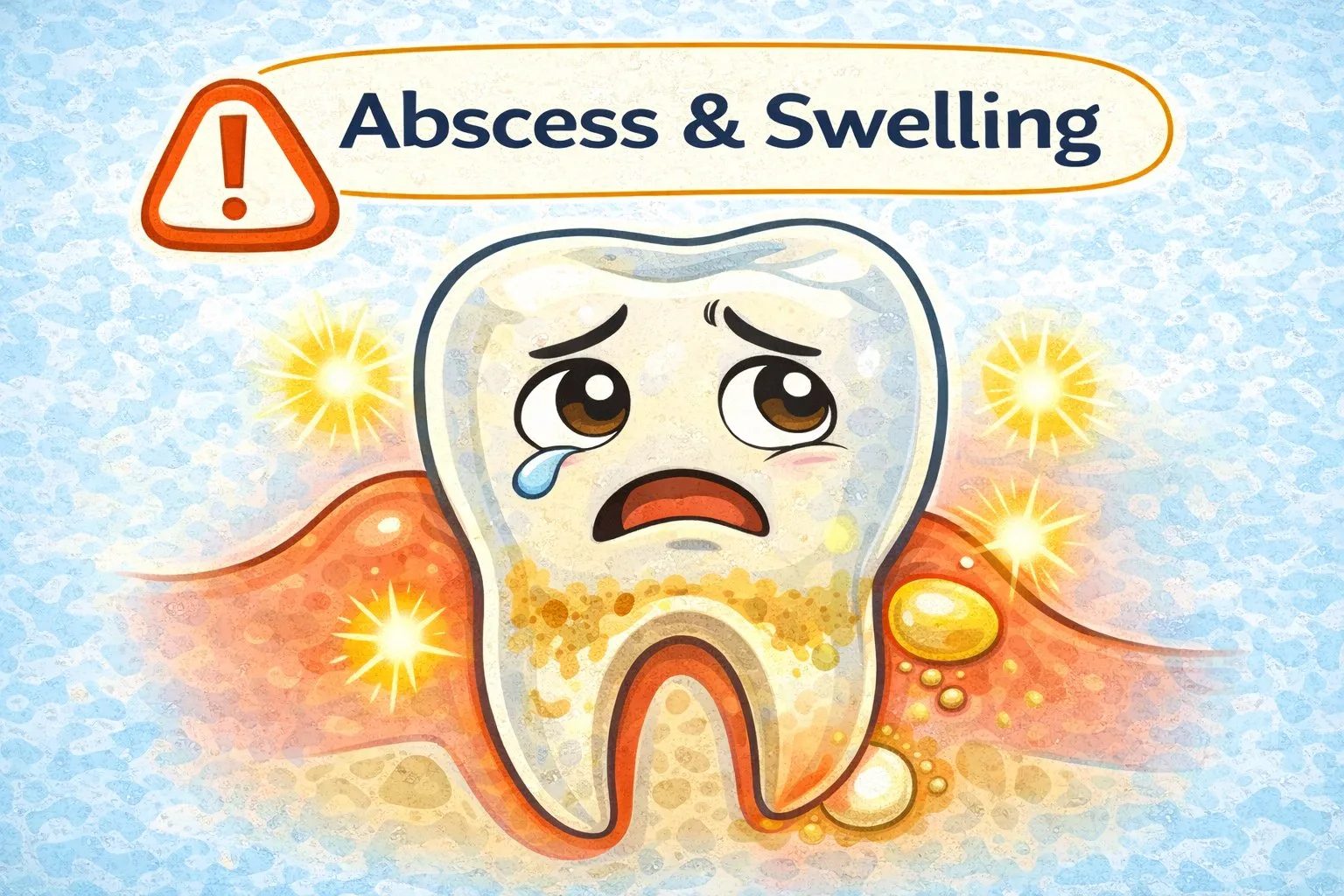
Swelling indicates infection. An abscess is a pocket of pus from bacterial infection—a clear sign of serious problems.
5. Pimple on the Gums
The Sign:
A small bump on the gum near a tooth (fistula or "gum boil").
What It Looks Like:
- Pimple-like bump on gum tissue
- May drain pus or fluid
- May have bad taste
- May come and go
Why It Matters:
This is your body's way of draining infection. It's a serious sign that the tooth is abscessed.
6. Pain When Chewing or Touching
The Sign:
Pain when biting down or pressing on the tooth.
What It Feels Like:
- Sharp pain when chewing
- Tooth feels "tall" or different
- Pain when pressing on tooth
Why It Matters:
This can indicate infection at the root tip (periapical abscess) or a cracked tooth extending to the pulp.
7. Loose Tooth
The Sign:
An adult tooth that feels loose or movable.
What It Feels Like:
- Slight movement when touched
- Feels different from other teeth
- May shift slightly when biting
Why It Matters:
Infection can soften the bone around the tooth root, causing looseness. This is serious and needs prompt attention.
8. Prolonged Sensitivity After Dental Work
The Sign:
A tooth that was recently filled or crowned but continues to hurt weeks later.
What It Means:
Sometimes dental work (especially deep fillings) can stress the nerve beyond recovery. The tooth may need root canal treatment.
When Multiple Signs Appear
Having several of these symptoms together strongly suggests you need a root canal:
- Persistent pain + swelling
- Sensitivity to heat + discoloration
- Pain when chewing + gum pimple
The more signs you have, the more urgent your need for evaluation.
What If I Have No Symptoms?
Sometimes teeth need root canals even without obvious symptoms:
- X-ray findings – Infection visible around root tips
- Routine exam – Dentist detects problems
- Dead nerve – May not cause pain initially
This is why regular checkups matter—we can catch problems before they become painful emergencies.
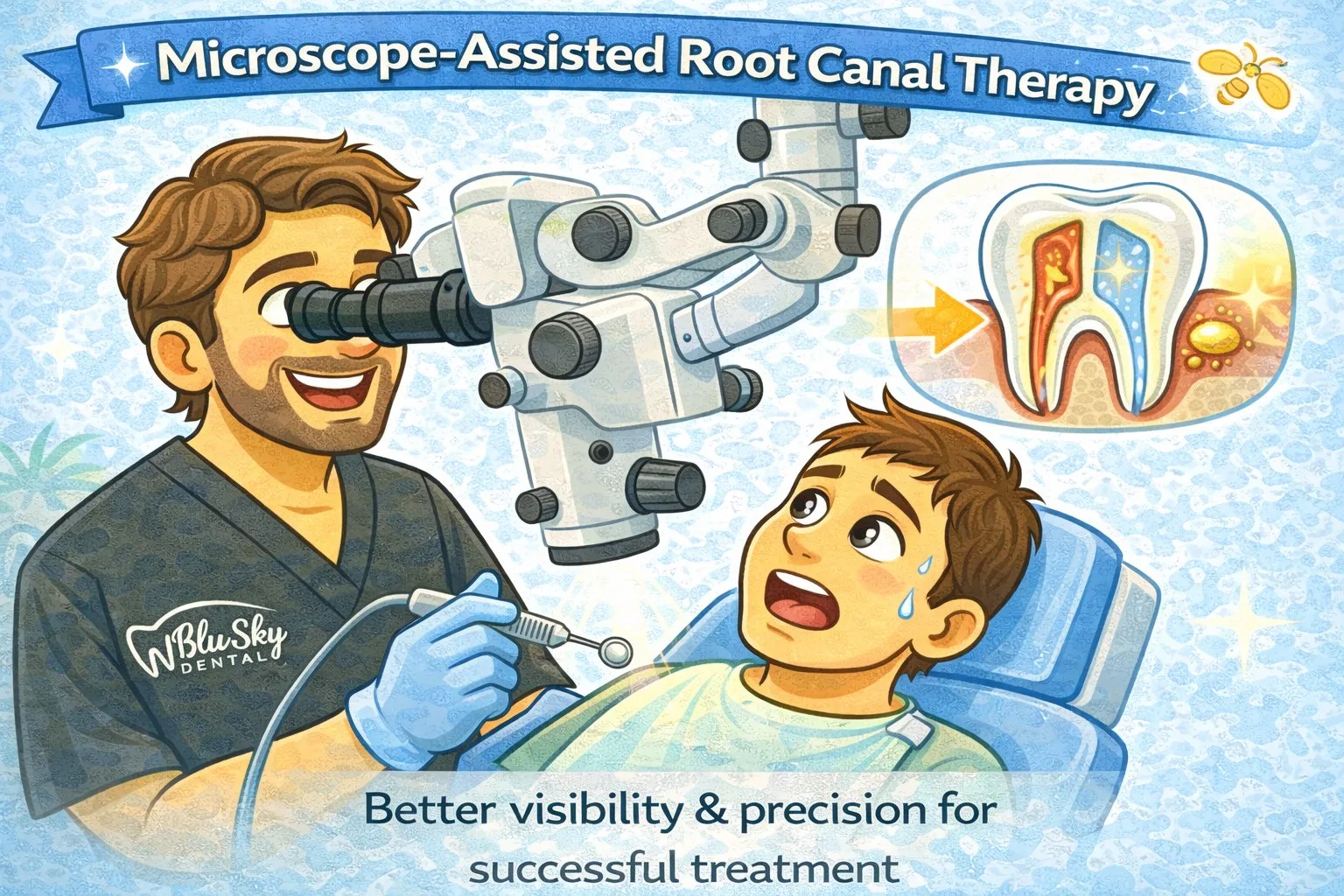
What Happens If You Ignore the Signs?
Delaying treatment can lead to:
- Spreading infection – To other teeth, jaw, or beyond
- Abscess – Painful pocket of infection
- Bone loss – Around the tooth root
- Tooth loss – Eventually may not be saveable
- Systemic effects – Infection can affect overall health
- Emergency situations – Severe pain, facial swelling
Early treatment = better outcomes and less discomfort.
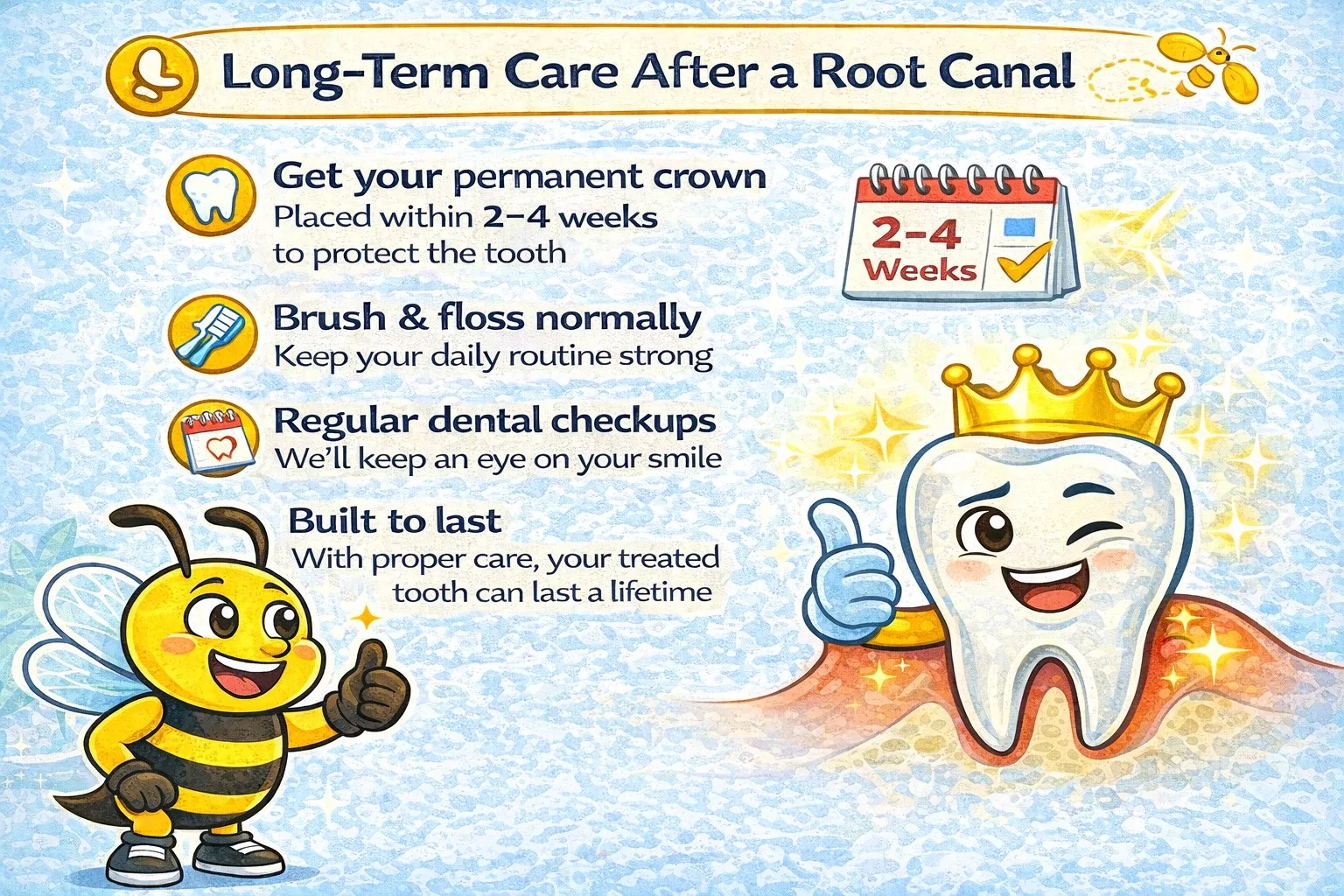
The Root Canal Procedure Today
Many patients fear root canals based on outdated perceptions. Modern root canal treatment:
- Uses effective anesthesia (you won't feel pain)
- Often completed in one visit
- Is similar to getting a filling
- Relieves pain rather than causing it
- Has high success rates (95%+)
Most patients say the procedure was much easier than expected.
Don't Wait—Get Checked
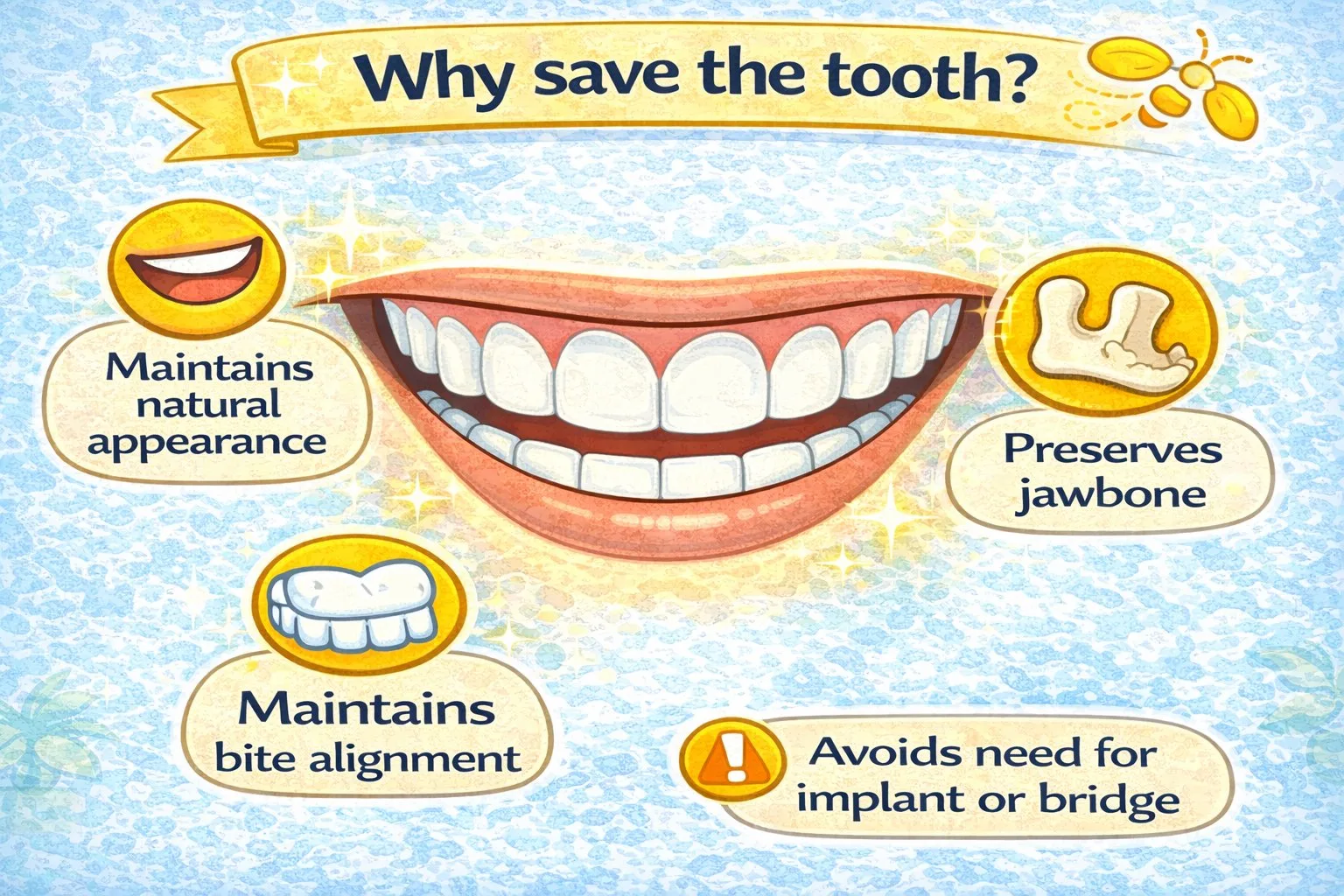
If you're experiencing any of these signs, schedule an evaluation. Early diagnosis means simpler treatment, better chance of saving the tooth, less discomfort, and lower cost.
Call: (613) 728-1511
Address: 20 – 1620 Scott Street, Ottawa, ON K1Y 4S7
At BluSky we BEElieve in bringing life to your smile. 🐝