3D-Guided Implant Surgery in Ottawa
Precision Implant Placement at BluSky Dental

What Is 3D-Guided Implant Surgery?
When you choose dental implants, precision matters. At BluSky Dental Holland Cross, we use advanced 3D-guided implant surgery to place implants with exceptional accuracy. By combining cone beam CT imaging, virtual planning software, and custom surgical guides, we achieve results that traditional freehand techniques simply can't match. Our Ottawa patients experience minimally invasive procedures, faster healing, and optimal long-term outcomes.
Serving Westboro, Hintonburg, Wellington West, Little Italy, and Downtown Ottawa with state-of-the-art guided implant technology.
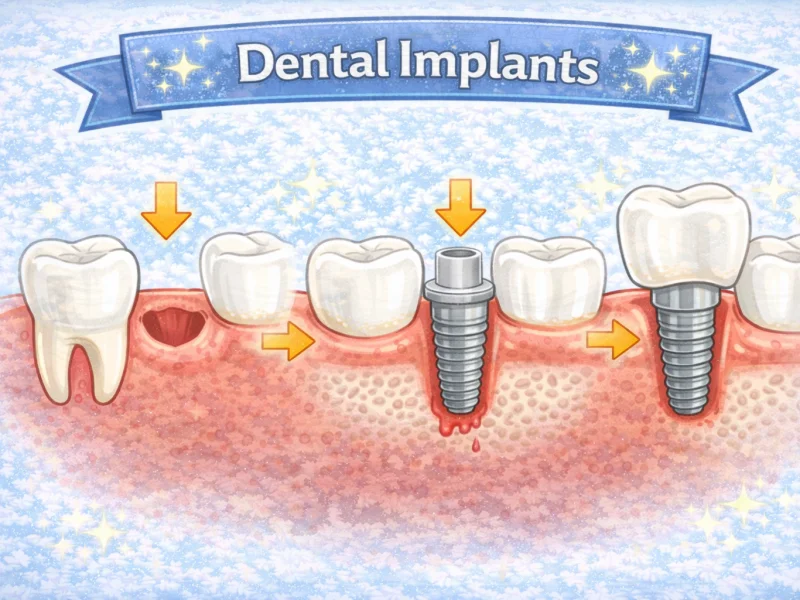
3D-guided implant surgery, also called computer-guided or navigated implant placement, represents a significant advancement in dental implant technology. The process begins with detailed 3D imaging of your jaw, which is used to plan implant placement virtually before any surgery occurs.
Once the optimal implant position is determined, a custom surgical guide is fabricated to transfer this plan precisely to your mouth during surgery. The guide ensures that drilling and implant placement match the virtual plan exactly—in position, angle, and depth.
This technology transforms implant surgery from a technique relying primarily on the surgeon's skill and judgment to a precisely planned, predictable procedure. For our Westboro and Hintonburg patients, this means better outcomes with less invasive surgery.
How 3D-Guided Surgery Works
Step 1: Advanced Imaging
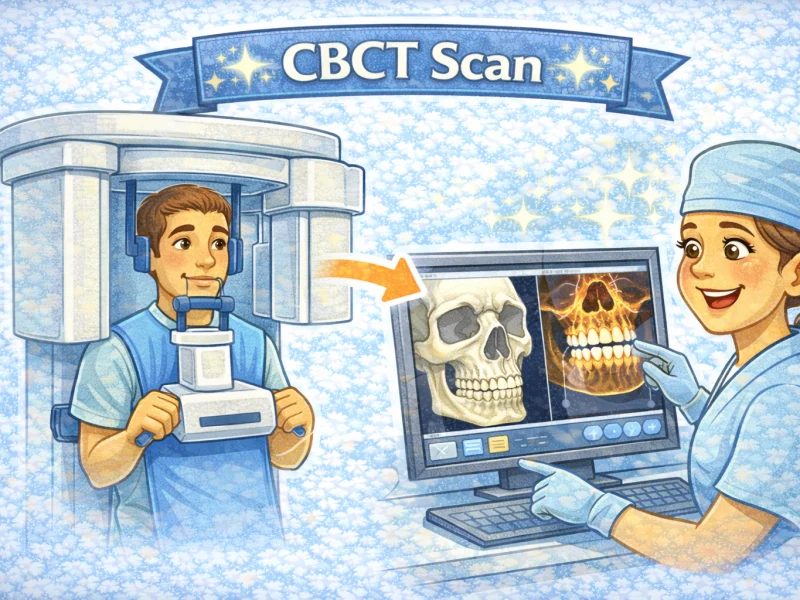
Your journey begins with comprehensive 3D imaging at our Holland Cross location. Cone beam computed tomography (CBCT) captures detailed views of your jaw bone, teeth, nerves, sinuses, and surrounding structures. Digital impressions create precise models of your existing teeth and soft tissue.
This imaging reveals critical information invisible on traditional X-rays:
- Bone volume and density in 3D
- Precise nerve location
- Sinus proximity in upper jaw
- Root positions of adjacent teeth
- Any pathology requiring attention
Learn more about 3D Digital Imaging →
Step 2: Virtual Treatment Planning
Using specialized implant planning software, your dentist designs your treatment on screen before surgery. This virtual planning includes:
Implant Selection:
- Optimal implant diameter for your bone
- Appropriate implant length for available bone
- Best implant system for your needs
Position Optimization:
- Ideal placement for bone support
- Safe distance from nerves and sinuses
- Proper angulation for restoration
- Appropriate depth for emergence profile
Restoration Planning:
- Final crown or restoration designed first
- Implant positioned to support ideal restoration
- Aesthetic and functional considerations addressed
This "prosthetically driven" approach ensures implants are placed where they best support beautiful, functional teeth—not just where bone happens to be available.
Step 3: Surgical Guide Fabrication
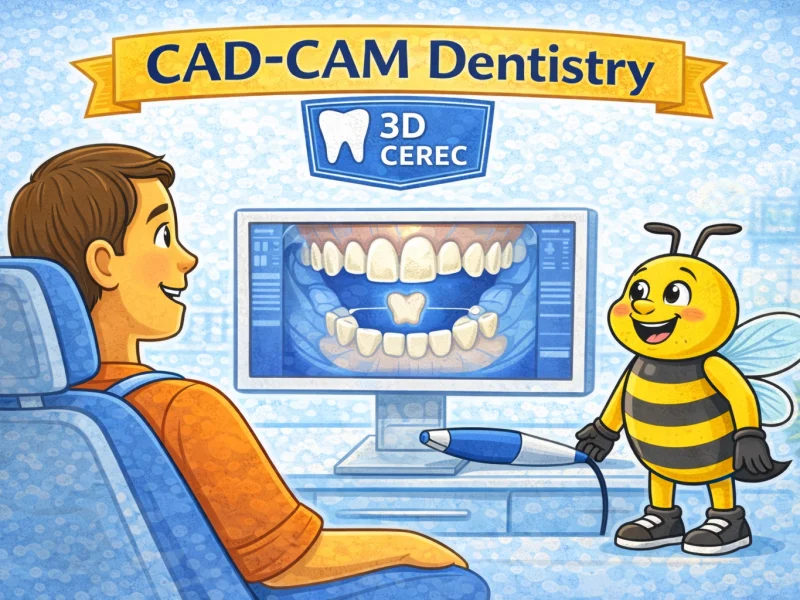
Once planning is complete, a custom surgical guide is created. Using CAD/CAM technology, the guide is 3D-printed or milled to fit precisely over your teeth or gums.
The guide contains:
- Precision metal sleeves positioned according to your plan
- Guides for each drill diameter used during surgery
- Final sleeve for implant insertion
- Reference points for accurate positioning
This guide serves as a template that transfers the virtual plan to your actual surgery with sub-millimeter accuracy.
Learn more about CAD/CAM Dentistry →
Step 4: Guided Implant Placement
On surgery day at our Westboro office:
- Anesthesia - Local anesthesia ensures complete comfort; sedation available if preferred
- Guide positioning - The surgical guide is placed over your teeth or gums
- Guided drilling - All bone preparation occurs through the guide's precision sleeves
- Implant insertion - The implant is placed through the guide, matching your plan exactly
- Verification - Placement is confirmed to match the virtual plan
In many cases, guided surgery allows flapless placement—inserting the implant through a small punch in the gum tissue without making incisions. This minimally invasive approach means:
- Less tissue trauma
- Reduced bleeding
- Minimal swelling
- Faster healing
- Decreased post-operative discomfort
Step 5: Healing and Final Restoration
Following implant placement, your implant integrates with the jaw bone over 3-6 months. Because placement was precisely planned for your future restoration, the final crown, bridge, or denture fits perfectly—both functionally and aesthetically.
In select cases, we may provide immediate temporary teeth on the same day as implant surgery. Your dentist discusses whether this option is appropriate for your situation.
Benefits of 3D-Guided Implant Surgery
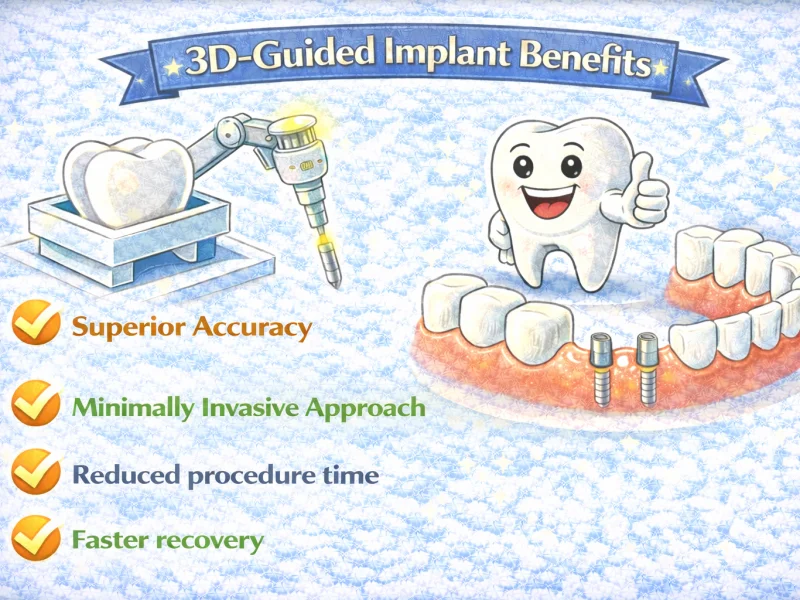
Superior Accuracy
Research consistently demonstrates the precision advantage of guided surgery:
- Position accuracy: Less than 1mm average deviation vs. 2-3mm freehand
- Angle accuracy: Less than 2° deviation vs. 5-8° freehand
- Depth accuracy: Within 0.5mm of planned depth
This precision translates to implants positioned exactly where they support optimal function and aesthetics.
Minimally Invasive Approach
Precise planning often enables flapless surgery—placing implants through small tissue openings without incisions. Benefits include:
- No cutting of gum tissue
- No sutures needed in many cases
- Reduced procedure time
- Faster recovery
- Less post-operative discomfort
Predictable Outcomes
When surgery matches a carefully designed plan, outcomes become predictable rather than variable. You know what to expect, and results consistently meet expectations.
Safer Procedures
The ability to visualize and avoid anatomical structures like nerves and sinuses before surgery significantly reduces complication risk. Critical structures are identified during planning, not discovered during surgery.
Shorter Surgery Time
Extensive pre-operative planning means surgery proceeds efficiently. The surgeon follows a predetermined path rather than making real-time decisions. Many guided implant procedures are significantly faster than traditional approaches.
Optimized Restoration Results
"Prosthetically driven" planning ensures implants support ideal restorations. Rather than compromising the crown design to fit where an implant ended up, the implant goes where the best crown design requires.
Immediate Load Potential
The precision and primary stability achieved with guided surgery often enables immediate temporary teeth. This means you may leave surgery with functional, aesthetic teeth rather than gaps or removable dentures during healing.
Who Benefits from Guided Implant Surgery?
All Implant Patients
While every implant patient benefits from enhanced precision, some situations particularly warrant guided surgery:
Complex Anatomy:
- Limited bone volume requiring precise positioning
- Close proximity to nerves or sinuses
- Unusual bone shape or angulation
Multiple Implants:
- Full arch All-on-4 cases
- Multiple adjacent implants requiring parallel placement
- Cases requiring consistent spacing and angulation
Aesthetic Zone:
- Front teeth where position critically affects appearance
- Visible smile areas requiring perfect emergence
- Cases where gum architecture must be preserved
Bone Grafting Cases:
- Implants in previously grafted bone
- Simultaneous grafting and implant placement
- Limited bone requiring maximum utilization
Immediate Load Cases:
- Same-day teeth on implants
- Cases requiring optimal primary stability
- Situations where provisional restoration is planned
Our Recommendation
At BluSky Dental Holland Cross, we recommend 3D-guided surgery for most implant cases. The benefits of enhanced precision, reduced invasiveness, and predictable outcomes justify the additional planning investment for nearly every patient.
Technology Behind Guided Surgery
Cone Beam CT (CBCT) Imaging
Our CBCT scanner captures hundreds of images as it rotates around your head, creating a detailed 3D reconstruction. This provides information impossible to obtain from traditional 2D X-rays:
- True bone dimensions in all directions
- Bone density assessment
- Precise nerve canal mapping
- Sinus floor location
- Adjacent root positions
Learn more about Digital X-Rays →
Planning Software
Specialized implant planning software allows manipulation of CBCT data to:
- Select ideal implant sizes
- Position implants virtually
- Measure distances and angles
- Simulate the final restoration
- Identify potential problems before surgery
CAD/CAM Guide Fabrication
Surgical guides are designed using computer-aided design (CAD) software and manufactured using computer-aided manufacturing (CAM):
- 3D printing creates precise resin guides
- Metal sleeves are incorporated for durability
- Accuracy is verified before surgery
- Each guide is unique to your anatomy
Comparing Guided vs. Traditional Implant Surgery
| Aspect | 3D-Guided Surgery | Traditional Surgery |
|---|---|---|
| Planning | Virtual, before surgery | During surgery |
| Accuracy | <1mm deviation typical | 2-3mm deviation common |
| Incisions | Often flapless | Usually required |
| Surgery time | Often shorter | Variable |
| Healing | Typically faster | Standard healing |
| Predictability | Highly predictable | More variable |
| Complexity handling | Excellent | Surgeon-dependent |
Why Choose BluSky Dental for Guided Implant Surgery
Complete Digital Workflow
Our Holland Cross location features integrated digital technology:
- In-house CBCT imaging
- Digital impression scanning
- Advanced planning software
- CAD/CAM guide fabrication capability
This complete workflow ensures seamless treatment from planning through restoration.
Experienced Implant Team
Our dentists have extensive training and experience with guided implant surgery. We've placed hundreds of guided implants and continue advancing our expertise through ongoing education.
Comprehensive Care
From initial consultation through final restoration, we provide complete treatment under one roof. This continuity ensures your care team understands your case thoroughly at every stage.
Patient-Centered Approach
We take time to explain the technology, show you your virtual treatment plan, and answer all questions. Understanding your treatment helps you feel confident in your care.
Frequently Asked Questions
Most implant cases benefit from guided surgery. Some situations with very limited bone or unique anatomy may require modifications to the standard guided approach. During your consultation, we determine the best technique for your specific situation.
No, we have in-house CBCT imaging at our Holland Cross location. All imaging, planning, and surgery occur in our office for your convenience.
The complete planning process—including imaging, virtual planning, guide design, and fabrication—typically takes 1-2 weeks. This allows thorough planning without unnecessary delays.
Absolutely. All our sedation options—nitrous oxide, oral sedation, and IV sedation—are available with guided implant surgery. The procedure itself is often easier with guided technique regardless of sedation choice.
Guides are fabricated with precision and verified before surgery. Occasionally minor adjustments are needed, but significant fit problems are rare. If issues arise, we have contingency plans to ensure your surgery proceeds safely.
Schedule Your Guided Implant Consultation
Experience the precision advantage of 3D-guided implant surgery at BluSky Dental Holland Cross. Our Westboro location serves patients from throughout Ottawa seeking the most advanced implant technology available.
Call: (613) 728-1511
Address: 20 – 1620 Scott Street, Ottawa, ON K1Y 4S7
At BluSky we BEElieve in bringing life to your smile. 🐝