Overcoming Dental Anxiety
Does the thought of visiting the dentist fill you with dread? You're not alone. Dental anxiety affects millions of people—from mild nervousness to full-blown phobia.

You're Not Alone
How Common Is Dental Anxiety?
- 36% of people have some dental anxiety
- 12% have extreme dental fear
- 3% have dental phobia (severe, disabling fear)
Dental anxiety is one of the most common healthcare-related fears. It's nothing to be ashamed of.
Why People Fear the Dentist
Common triggers include:
- Past bad experiences — Pain, insensitivity, or trauma
- Fear of pain — Expecting dental work to hurt
- Loss of control — Lying back, mouth open, unable to speak
- Fear of needles — Injection phobia
- Embarrassment — Worry about condition of teeth
Understanding your specific triggers helps address them.
The Cost of Avoidance
What Happens When We Avoid
Dental anxiety often leads to avoidance, which creates a cycle:
- Fear → Skip dental visits
- Skipped visits → Problems develop
- Problems worsen → Require more extensive treatment
- More extensive treatment → Reinforces fear
- Stronger fear → More avoidance
Breaking Free
The only way out is through. Small steps toward dental care break the cycle and build positive experiences.
Strategies That Help
Before Your Appointment
Choose the Right Dentist
Look for:
- Experience with anxious patients
- Gentle, patient approach
- Willingness to go at your pace
- Sedation options available
- Good reviews from nervous patients
Communicate Your Fears
Tell us that you have dental anxiety, what specifically triggers your fear, past negative experiences, and what helps you feel safe. We can't help if we don't know.
Schedule Wisely
- Morning appointments (less time to worry)
- Allow extra time (don't feel rushed)
- Avoid scheduling before stressful events
During Your Appointment
Establish a Stop Signal
Agree on a signal (raising hand) that means "pause." Knowing you can stop anytime reduces anxiety.
Take Breaks
It's okay to pause during procedures. Just ask.
Focus on Breathing
Slow, deep breaths activate your body's relaxation response:
- Breathe in for 4 counts
- Hold for 4 counts
- Breathe out for 4 counts
Use Distraction
- Listen to music or audiobooks
- Focus on ceiling (many offices have TVs)
- Squeeze a stress ball
Stay Present
Anxiety often comes from anticipating the worst. Focus on what's happening right now—often less scary than what we imagine.
How We Help Anxious Patients
Patient-Centered Approach
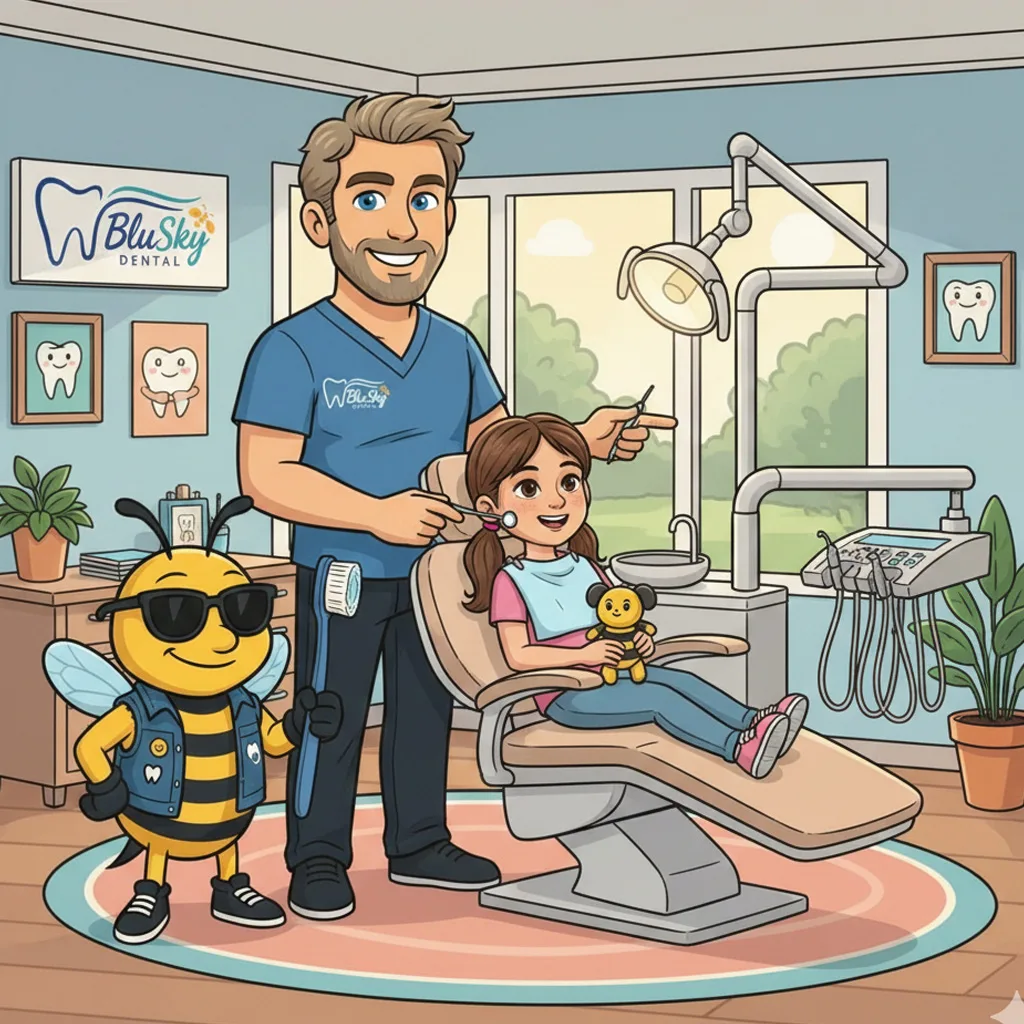
At BluSky Dental, we:
- Listen to your concerns without judgment
- Explain everything before doing it
- Go at your pace
- Check in frequently
- Never rush or pressure
- Celebrate your progress
Comfort Measures
- Warm, welcoming environment
- Gentle techniques
- Numbing before injections (yes, we can numb before the needle!)
- Ceiling-mounted TVs
- Headphones available
- Blankets if you're cold
- Breaks whenever needed
Sedation Options
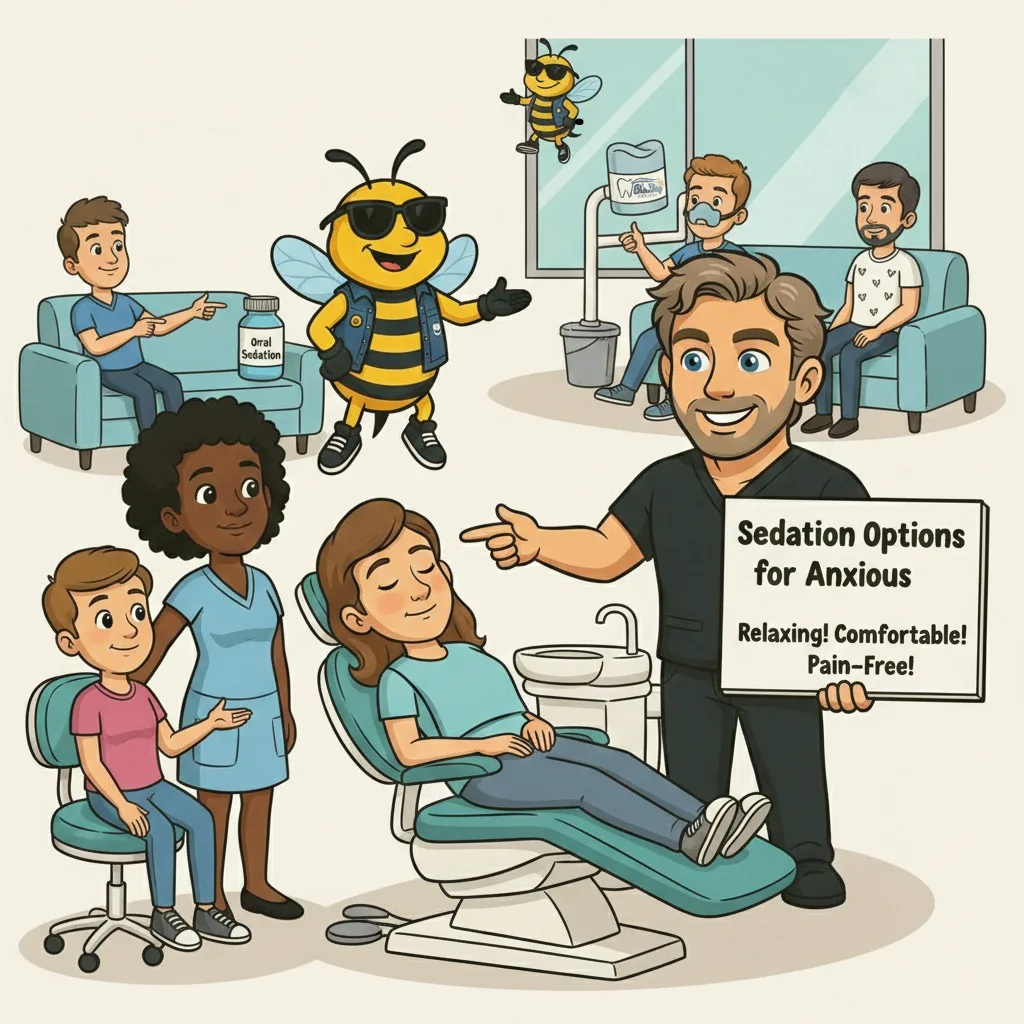
When comfort measures aren't enough:
Nitrous Oxide (Laughing Gas)
- Mild relaxation
- Wears off quickly
- Drive yourself home
- Good for mild-moderate anxiety
Oral Sedation
- Take a pill before your appointment
- Deeper relaxation
- May not remember the procedure
- Need a driver
IV Sedation
- Deepest level of sedation
- Very little memory of procedure
- For severe anxiety or extensive treatment
- Need a driver
When Professional Help Is Needed
Dental Phobia
If your fear is so severe that you:
- Avoid all dental care despite pain
- Have panic attacks thinking about dentistry
- Haven't seen a dentist in years
- Have deteriorating oral health due to avoidance
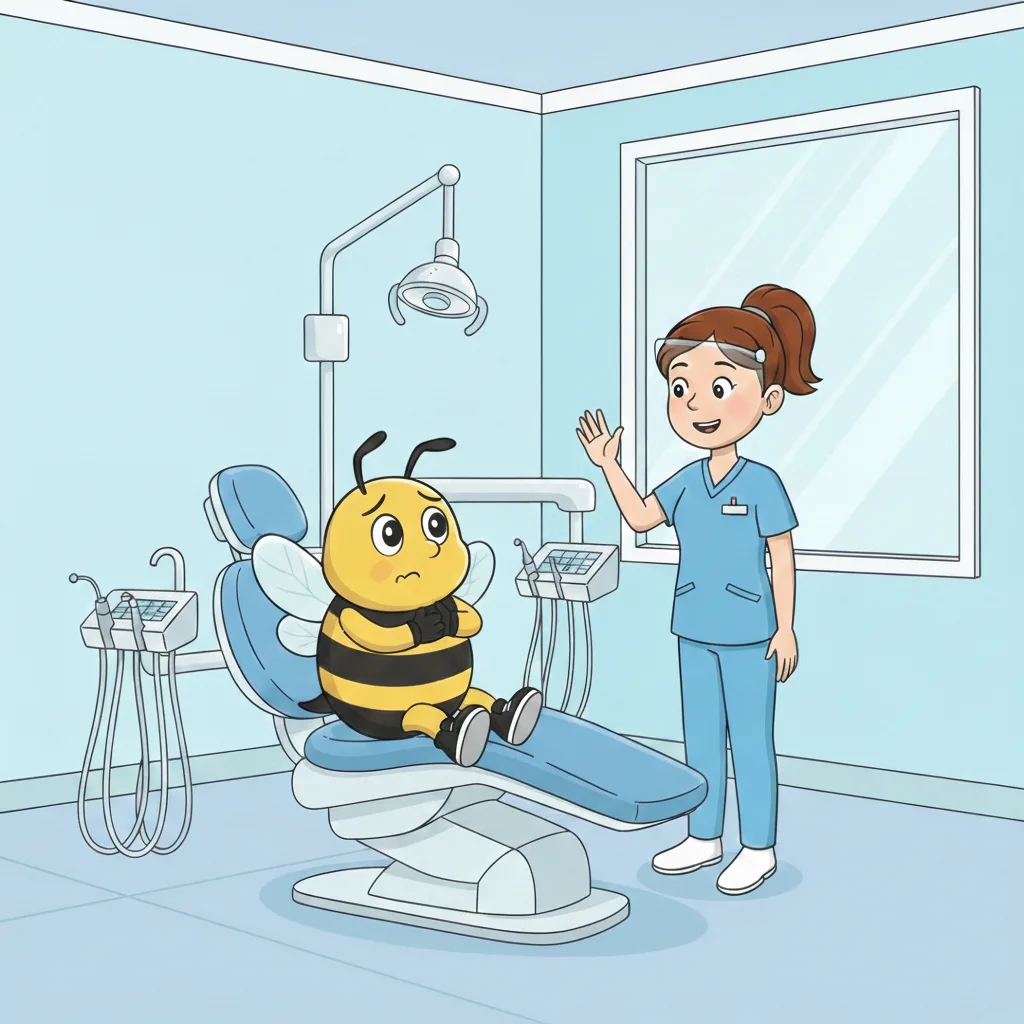
You may have dental phobia—a clinical anxiety disorder.
Treatment Options
Beyond sedation dentistry:
- Cognitive behavioral therapy (CBT) — Proven effective for phobias
- Gradual exposure — Slowly increasing dental interactions
- Relaxation techniques — Professional anxiety management
- Medication — Prescribed by your doctor for acute anxiety
We Work With You
Even severe dental phobia can be overcome. Many of our most anxious patients now attend regular appointments comfortably. It takes time and patience, but it's possible.
First Steps for Nervous Patients
Start Small
Consider a "meet and greet" appointment:
- Tour the office
- Meet the team
- Discuss your fears
- No treatment—just talking
Build Trust
Relationship matters. Find a dental team you trust, and give yourself time to develop that trust.
Be Honest
We need to know about your anxiety to help. Don't minimize your fears—we've heard it all and we're here to help.
Ready to Take the First Step?
We specialize in helping anxious patients overcome their fears. Let us show you that dental care can be different.

At BluSky we BEElieve in bringing life to your smile. 🐝