Dental Care Tips for Seniors
Maintaining a healthy smile through your golden years.

Oral health matters at every age—but it becomes especially important as we get older. Seniors face unique dental challenges, from dry mouth caused by medications to the need for specialized care. Here's how to maintain a healthy smile through your golden years.
Why Oral Health Matters More With Age
Good oral health is connected to:
- Overall health – Gum disease linked to heart disease, diabetes, pneumonia
- Nutrition – Healthy teeth allow proper eating
- Quality of life – Pain-free mouth, confident smile
- Independence – Maintaining ability to care for yourself
Neglecting oral health can accelerate decline in other areas.
Common Dental Challenges for Seniors
Dry Mouth (Xerostomia)
The Problem:
Over 400 common medications cause dry mouth, including those for blood pressure, depression, allergies, and pain. Saliva protects teeth, so less saliva means higher cavity risk.
Solutions:
- Sip water frequently throughout the day
- Use sugar-free gum or lozenges to stimulate saliva
- Try saliva substitutes or moisturizing gels
- Use a humidifier at night
- Discuss medication alternatives with your doctor
- Avoid alcohol and caffeine (they dry the mouth)
- Visit the dentist more frequently (every 3-4 months)
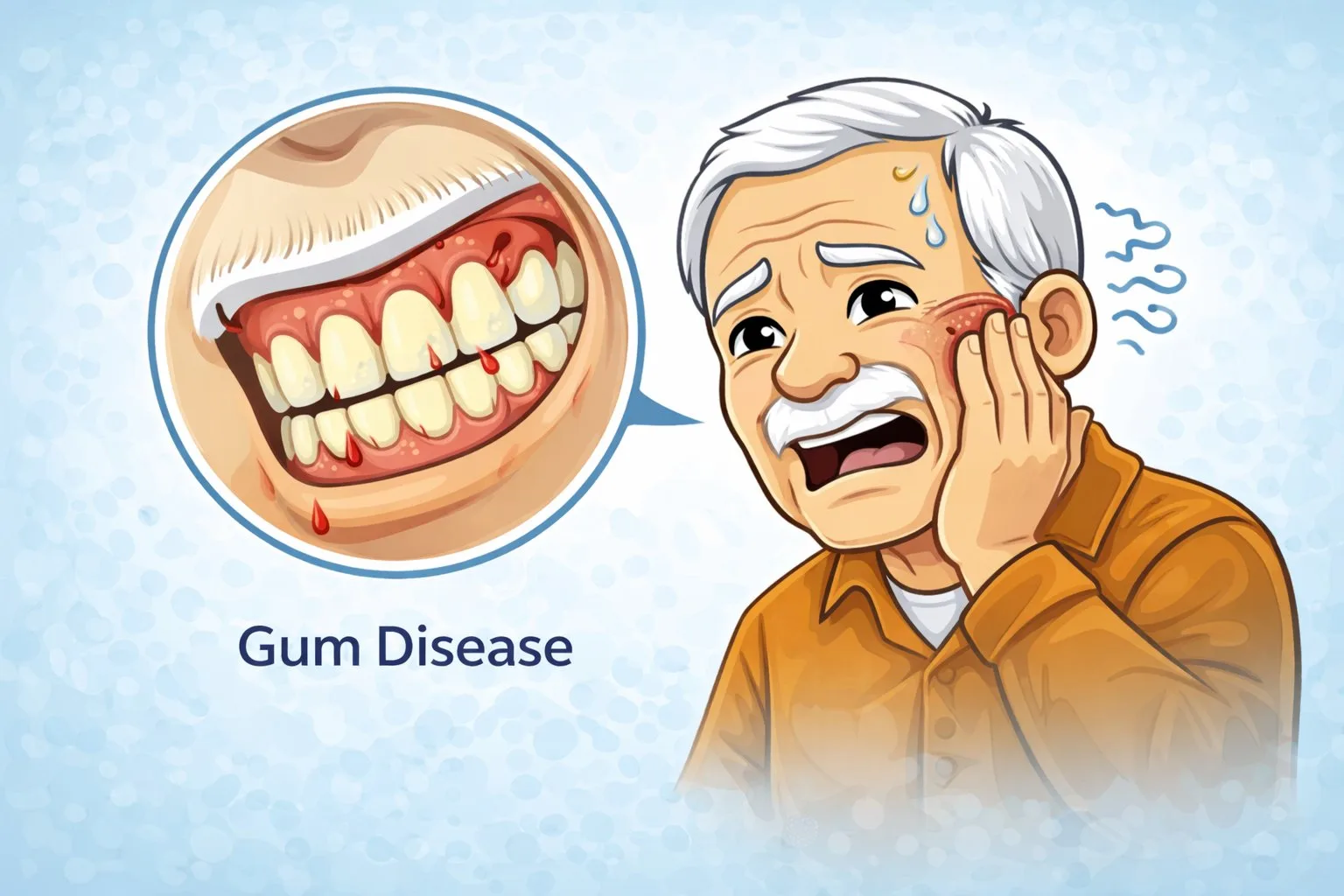
Gum Disease
The Problem:
Years of plaque buildup, combined with age-related changes, increase gum disease risk. Many seniors have some degree of periodontal disease.
Solutions:
- Brush twice daily with soft-bristled brush
- Floss daily (or use interdental brushes if easier)
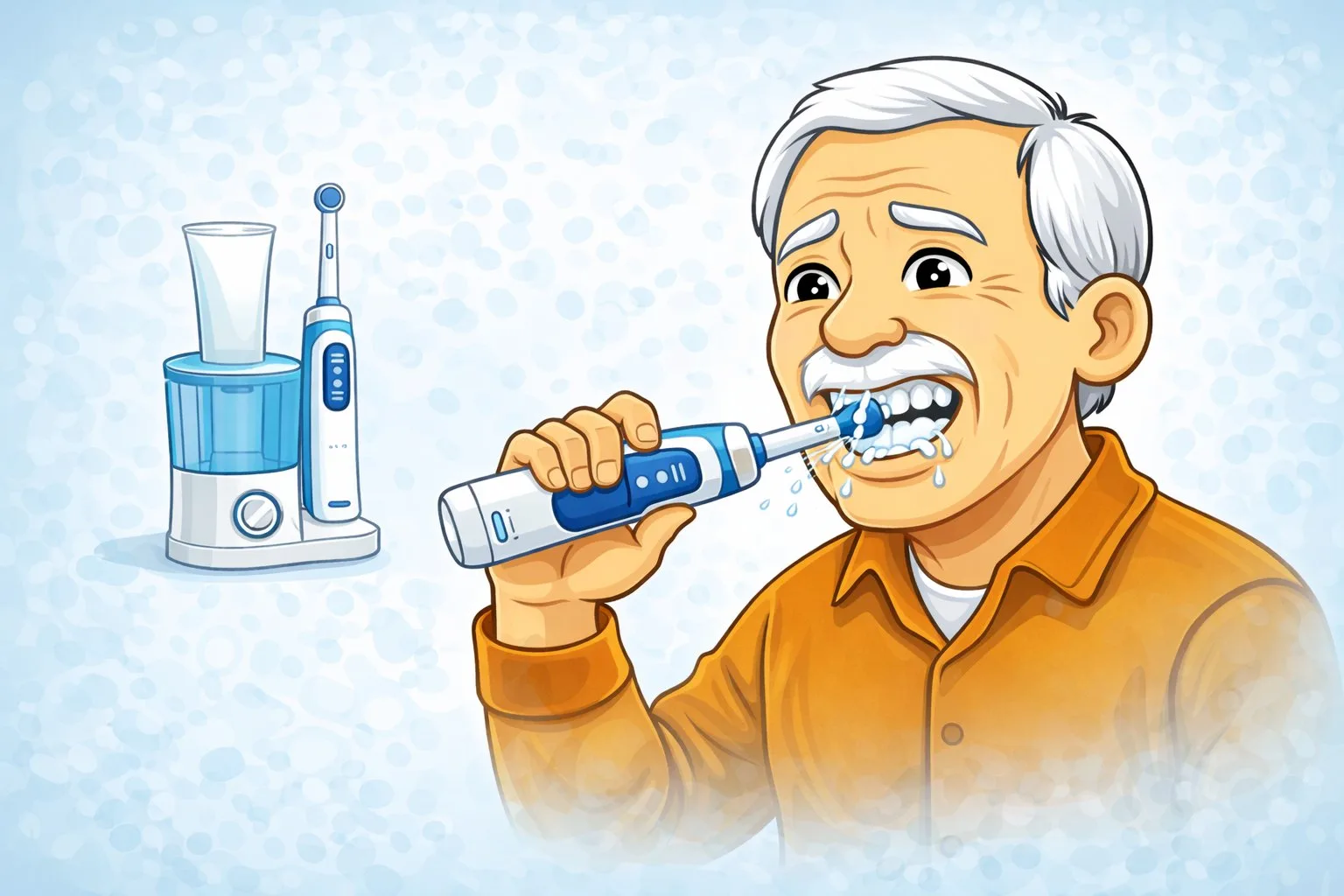
- Consider an electric toothbrush
- Regular professional cleanings
- Don't ignore bleeding gums
Root Decay
The Problem:
Receding gums expose tooth roots, which aren't protected by enamel. Roots decay quickly—and dry mouth accelerates this.
Solutions:
- Fluoride toothpaste (or prescription-strength fluoride)
- Fluoride rinses
- Careful brushing at gumline
- Frequent dental visits for early detection
Tooth Sensitivity
The Problem:
Worn enamel and receding gums expose sensitive areas, causing discomfort with hot, cold, or sweet foods.
Solutions:
- Desensitizing toothpaste (use consistently)
- Soft-bristled brush with gentle pressure
- Avoid acidic foods and drinks
- Professional treatments if severe
Learn more about Tooth Sensitivity →
Darkened Teeth
The Problem:
Years of staining plus thinning enamel (revealing darker dentin) can make teeth appear yellowed or gray.
Solutions:
- Professional cleaning removes surface stains
- Whitening may help (discuss with your dentist)
- Veneers or bonding for more dramatic improvement

Caring for Natural Teeth
Daily Routine
Brushing:
- Twice daily, 2 minutes each
- Soft-bristled brush (manual or electric)
- Fluoride toothpaste
- Angle brush at 45° to gumline
- Replace brush every 3 months
Flossing:
- Daily, ideally before bed
- Use floss holders or interdental brushes if dexterity is limited
- Water flossers are excellent alternatives
Adapting for Limited Dexterity
Arthritis or limited mobility doesn't have to mean poor oral hygiene:
- Electric toothbrush – Does the work for you
- Built-up handle – Wrap brush handle with foam or use a bicycle grip
- Floss holders – Easier than traditional floss
- Water flosser – Simple squeeze action
- Interdental brushes – Easier to grip than floss
Caring for Dentures
Daily Care
- Remove and rinse after eating
- Brush daily with soft brush and denture cleaner (not toothpaste—too abrasive)
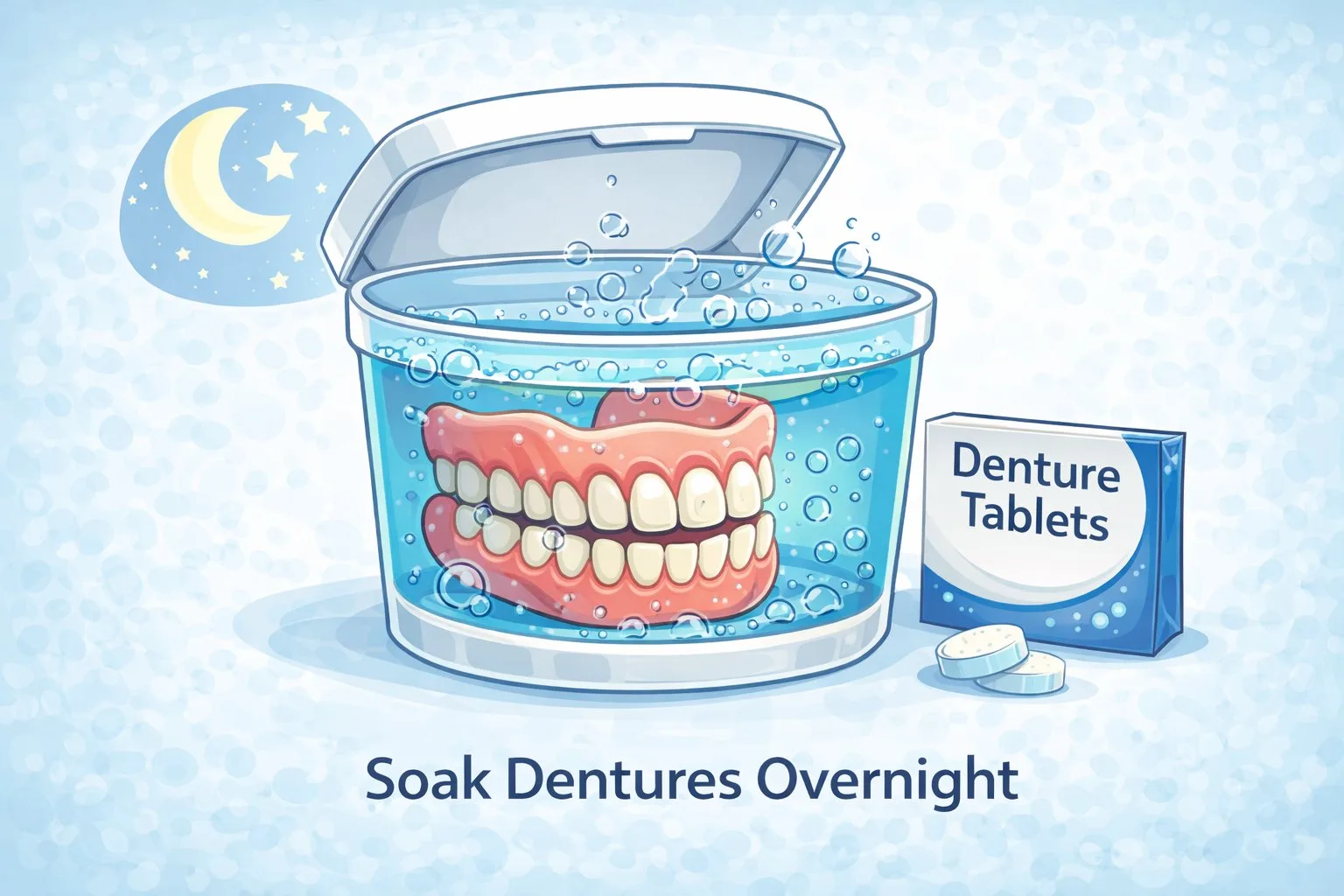
- Soak overnight in denture solution or water
- Clean your mouth – Brush gums, tongue, and palate before inserting dentures
- Handle carefully – Fill sink with water when handling to cushion drops
Regular Checkups
Even with full dentures, you need regular dental visits:
- Check for proper fit
- Screen for oral cancer
- Examine gum tissue health
- Adjust or reline as needed
Signs Your Dentures Need Attention
- Loose fit
- Sore spots
- Difficulty chewing
- Clicking sounds
- Visible wear or damage
Medications and Oral Health
Know Your Medications' Effects
Ask your doctor or pharmacist:
- Does this medication cause dry mouth?
- Does it affect bleeding (important for extractions)?
- Are there interactions with dental medications?
- Could an alternative cause fewer oral side effects?
Bring Your Medication List
Every dental visit, bring:
- Complete list of medications
- Including vitamins and supplements
- Over-the-counter medications
- Recent changes in prescriptions
Professional Care Schedule
How Often to Visit
While the general adult recommendation is every 9 months, most seniors benefit from visits every 6 months due to increased oral health risks.
Higher-risk seniors: Every 3-4 months
More frequent visits if you have:
- Dry mouth
- Active gum disease
- History of frequent cavities
- Diabetes
- Heart conditions
What to Expect
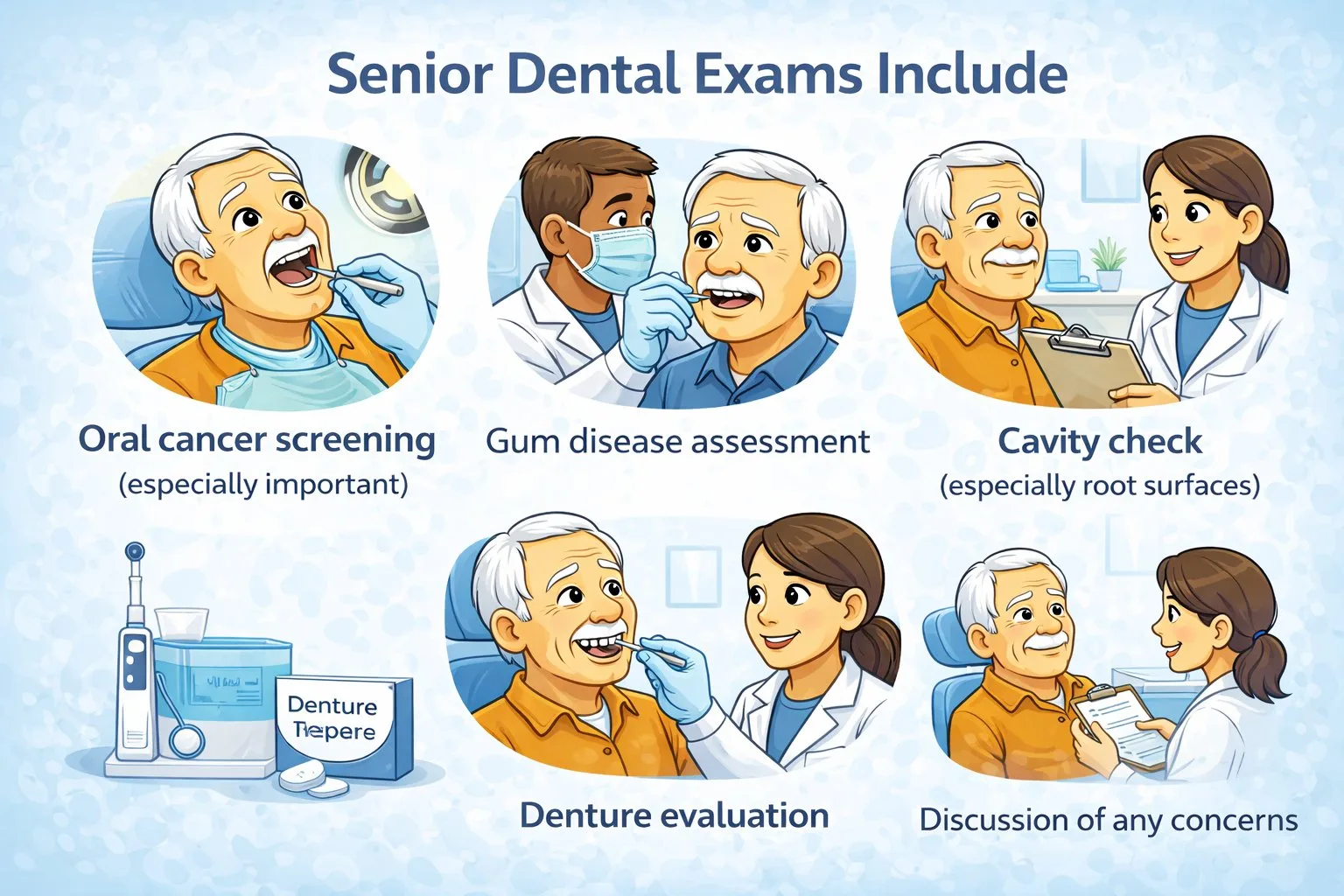
Senior dental visits may include:
- Oral cancer screening (especially important)
- Gum disease assessment
- Cavity check (especially root surfaces)
- Denture evaluation
- Discussion of any concerns
The CDCP for Seniors
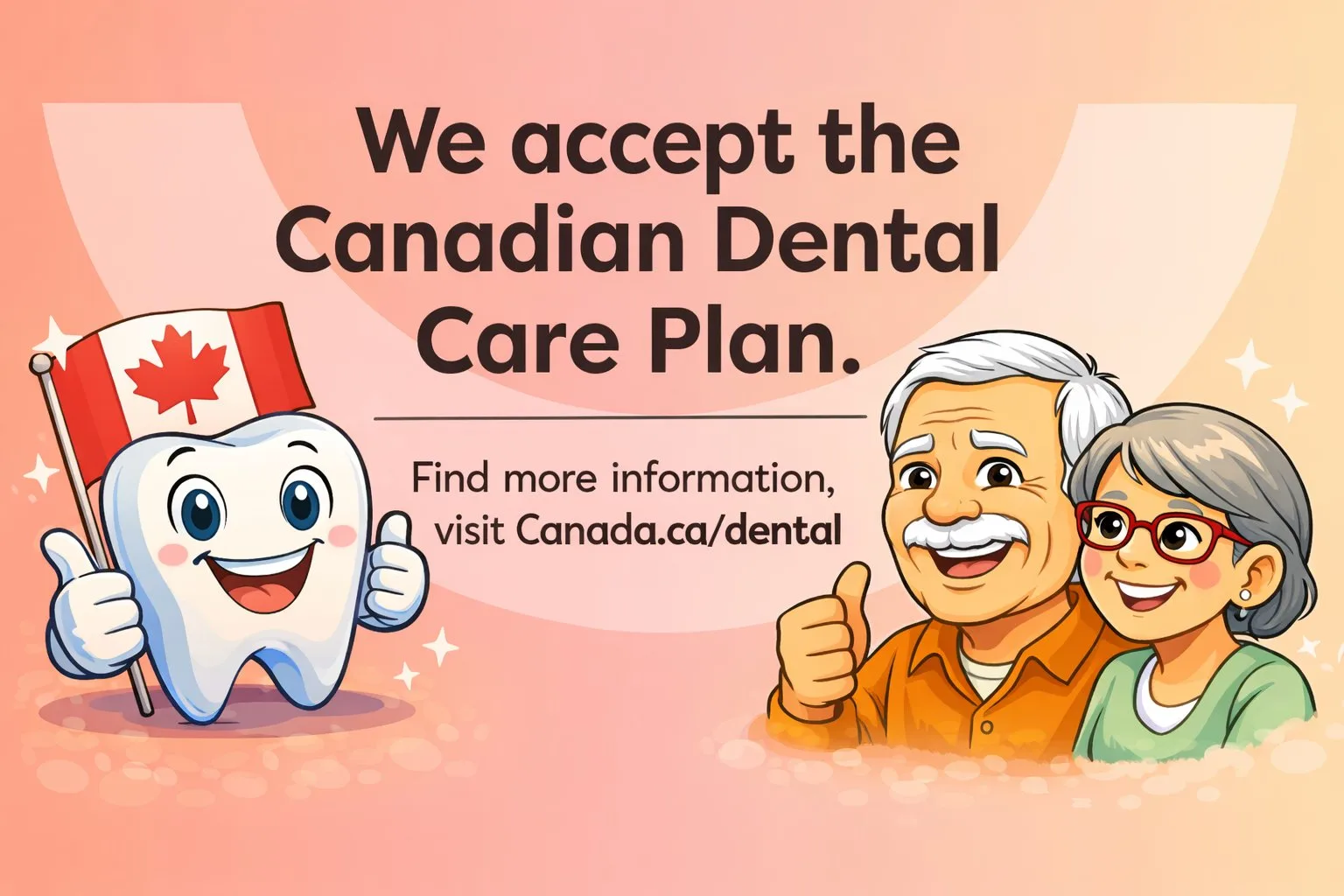
If you don't have dental insurance, the Canadian Dental Care Plan may help:
- For Canadians 65+
- Income under $90,000
- No existing dental coverage
- We're a participating provider
Oral Cancer Awareness
Oral cancer risk increases with age. We screen at every exam, but know these warning signs:
- Sores that don't heal within 2 weeks
- Red or white patches
- Lumps or thickening
- Difficulty swallowing
- Persistent sore throat
Report any changes to your dentist promptly.

Tips for Caregivers
If you help an elderly family member:
- Assist with brushing if needed
- Monitor diet for excessive sugar
- Watch for signs of dental problems (not eating, facial swelling)
- Schedule and transport to dental appointments
- Communicate with the dental team about health changes
Stay Proactive
Good oral health is achievable at any age. The key is:
- Daily home care (adapted as needed)
- Regular professional visits
- Addressing problems early
- Managing dry mouth
- Maintaining overall health

We're Here to Help
Our team has experience caring for senior patients with compassion and understanding.
Call: (613) 728-1511
Address: 20 – 1620 Scott Street, Ottawa, ON K1Y 4S7
At BluSky we BEElieve in bringing life to your smile. 🐝