
Wisdom Teeth
When they need to come out

Your Third Molars
Wisdom teeth—your third molars—are the last teeth to emerge, typically between ages 17-25. For many people, there simply isn't enough room for them, leading to problems that require extraction.
What Are Wisdom Teeth?
Wisdom teeth are the final set of molars located at the very back of your mouth. Most people have four (one in each corner), though some have fewer or none at all.
Why Do We Have Them?
Evolutionary holdover: Our ancestors needed these extra molars to chew tough, uncooked foods. Modern diets and smaller jaws mean most people don't have room for them.
Common Wisdom Tooth Problems
Impaction
When wisdom teeth can't fully emerge:
| Type | Description |
|---|---|
| Soft tissue impaction | Tooth breaks through bone but not gum |
| Partial bony impaction | Tooth partially emerged through bone |
| Complete bony impaction | Tooth fully encased in jawbone |
| Horizontal impaction | Tooth lying sideways |
Crowding
Emerging wisdom teeth can push other teeth, causing:
- Shifting of previously straight teeth
- Crowding and overlap
- Undoing orthodontic work
Infection (Pericoronitis)
Partially emerged wisdom teeth create gum flaps where bacteria collect:
- Pain and swelling
- Bad taste/smell
- Difficulty opening mouth
- Recurring infections
Decay
Wisdom teeth are hard to clean, leading to:
- Cavities in the wisdom tooth
- Decay on adjacent teeth
- Gum disease in the area
Cysts
Impacted teeth can develop cysts that damage jawbone, harm nearby teeth, and require surgical removal.
Signs Your Wisdom Teeth Need Attention
Symptoms to Watch For
- Pain at the back of your mouth
- Swelling in the jaw area
- Difficulty opening your mouth
- Bad breath or unpleasant taste
- Gum tenderness or bleeding
- Headaches or jaw aches
- Crowding of other teeth
Sometimes No Symptoms
Some problematic wisdom teeth cause no pain. That's why X-rays are important—we can spot developing issues before they become painful.
Do All Wisdom Teeth Need Removal?
Not necessarily. Some wisdom teeth:
- Emerge fully and align properly
- Have enough room
- Can be kept clean
- Don't affect other teeth
We recommend removal when:
- Teeth are impacted
- There's not enough room
- Decay or infection is present
- They're affecting adjacent teeth
- Cysts have developed
- They're causing crowding
The Extraction Process
Evaluation
We start with:
- Comprehensive examination
- X-rays (panoramic or 3D CBCT)
- Assessment of position and roots
- Discussion of findings and recommendations
Simple Extraction
For fully erupted wisdom teeth:
- Local anesthesia
- Tooth loosened and removed
- Minimal incisions
- Faster recovery
Surgical Extraction
For impacted teeth:
- Local anesthesia (plus sedation if desired)
- Small incision in gum
- Bone removal if necessary
- Tooth may be sectioned for easier removal
- Sutures to close
Sedation Options
We offer sedation for comfort:
- Nitrous oxide: Mild relaxation
- Oral sedation: Moderate relaxation
- IV sedation: Deeper sedation, minimal memory
Recovery
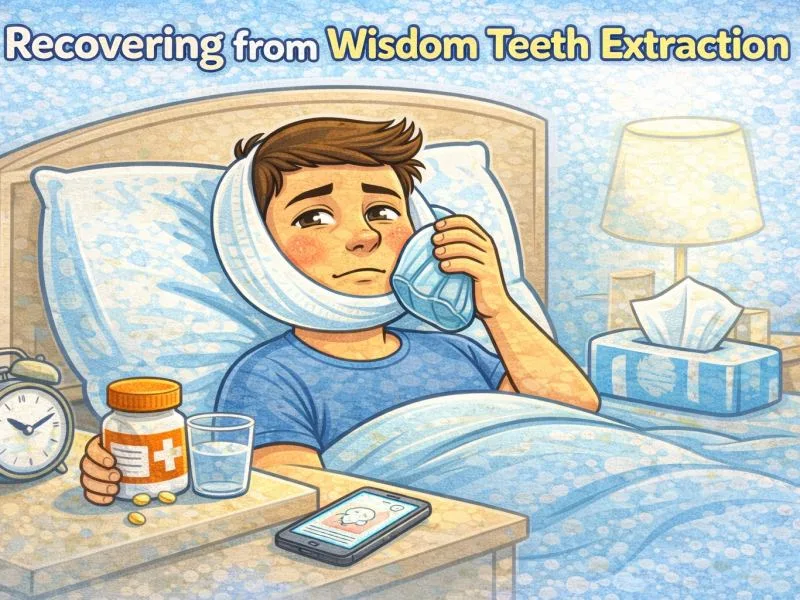
First 24 Hours
- Bite on gauze to control bleeding
- Apply ice packs (20 minutes on/off)
- Rest and avoid strenuous activity
- Soft foods and cool liquids
- Don't spit, use straws, or rinse vigorously
First Week
- Continue soft foods
- Gently rinse with salt water (after 24 hours)
- Take prescribed medications
- Avoid smoking (delays healing significantly)
- Gradually return to normal activities
Healing Timeline
| Timeframe | What to Expect |
|---|---|
| Days 1-3 | Swelling peaks, some discomfort |
| Days 4-7 | Swelling decreases, less pain |
| Weeks 1-2 | Sutures dissolve or are removed |
| Weeks 2-4 | Soft tissue heals |
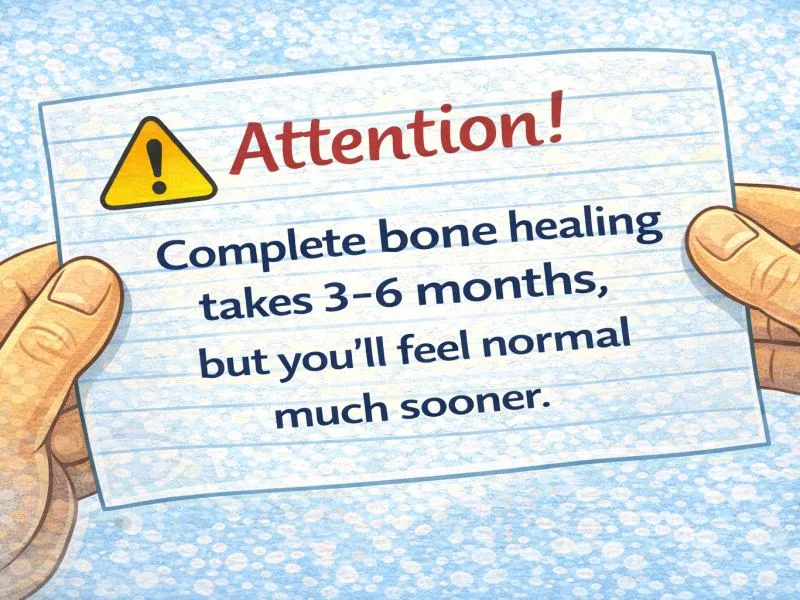
| Months 1-3 | Bone fills in extraction site |
Potential Complications
Rare but possible:
- Dry socket – Blood clot dislodges, exposing bone
- Infection – Signs: increasing pain, fever, pus
- Numbness – Usually temporary if it occurs
- Bleeding – Some oozing is normal; heavy bleeding is not
Follow post-op instructions to minimize risks.
Frequently Asked Questions
Late teens to early twenties is often ideal—roots aren't fully formed, making extraction easier with faster recovery. But wisdom teeth can be removed at any age if necessary.
If they're healthy, fully erupted, positioned correctly, and cleanable—yes. We'll advise based on your specific situation.
Simple extractions: 20-30 minutes. Surgical removal of all four: 45-90 minutes.
You'll be numb during the procedure. Afterward, some discomfort is normal but manageable with prescribed or over-the-counter pain relievers.
Start with cool, soft foods immediately. Gradually return to normal diet as healing progresses (usually within a week).
Wisdom Teeth Concerns?
Don't Wait for Pain
Early evaluation can prevent problems. Our team provides comfortable, expert wisdom tooth extractions with sedation options for your comfort.
Schedule Your Wisdom Teeth Evaluation
Get ahead of potential problems with an early evaluation. We'll assess your situation and recommend the best course of action.
At BluSky we BEElieve in bringing life to your smile. 🐝