
Tooth Sensitivity: Understanding, Diagnosing, and Treating Sensitive Teeth
Expert care for sensitive teeth in Ottawa.

What Is Tooth Sensitivity?
Do you experience a sharp, sudden jolt of pain when sipping hot coffee, eating ice cream, or breathing in cold air? You're not alone. Tooth sensitivity affects millions of people and can significantly impact your quality of life. At BluSky Dental Holland Cross in Ottawa, we understand how uncomfortable and frustrating sensitive teeth can be—and we're here to help you find relief.
Tooth sensitivity, also known as dentin hypersensitivity, occurs when the protective outer layer of your teeth (enamel) becomes worn down or when your gums recede, exposing the underlying layer called dentin. Dentin contains microscopic tubules that lead directly to the nerve center of your tooth.
The good news? Tooth sensitivity is treatable, and in many cases, preventable.
Proudly serving Westboro, Hintonburg, Wellington West, Little Italy, and Downtown Ottawa.
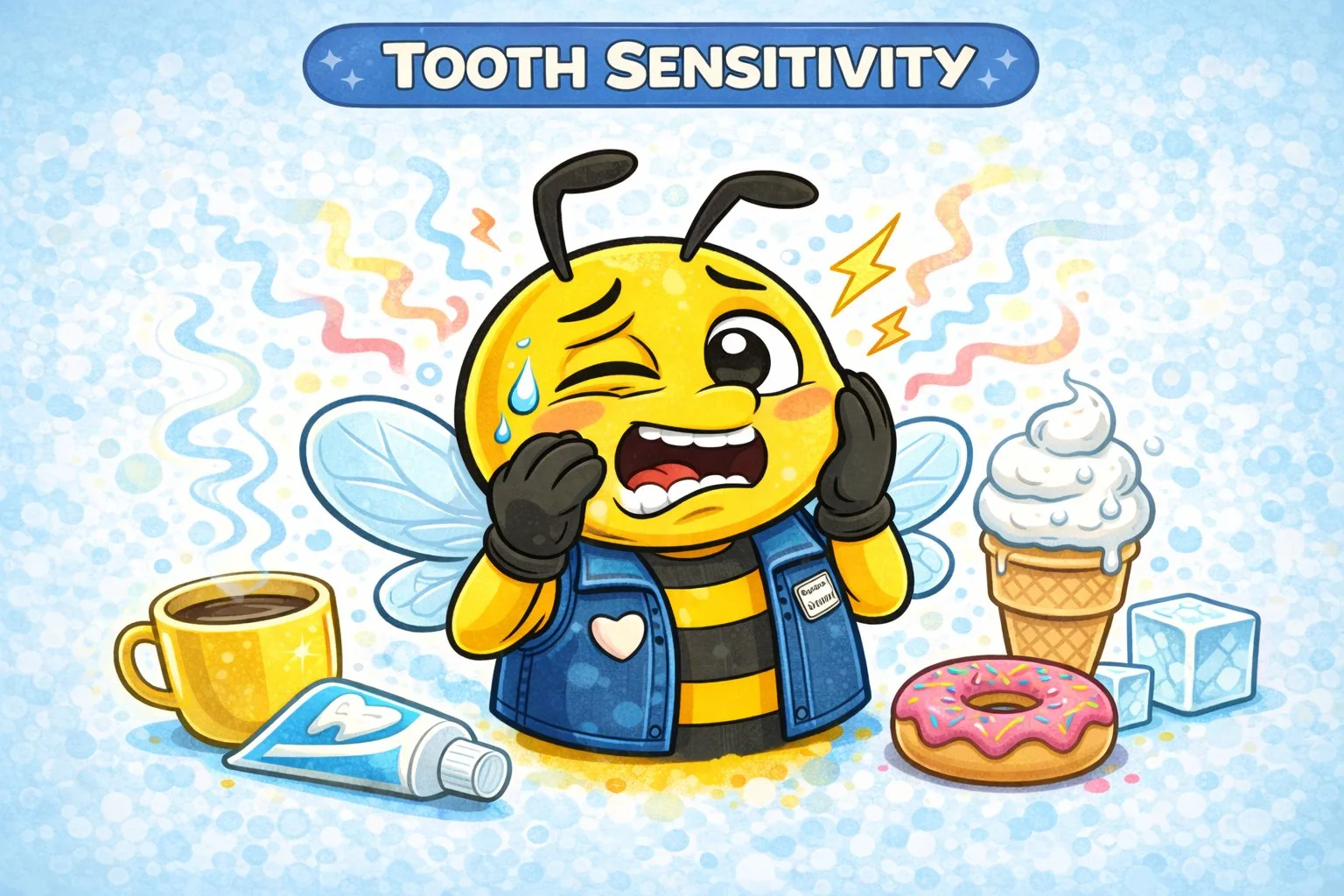
Common Causes of Tooth Sensitivity
Tooth sensitivity doesn't develop overnight—it's usually the result of gradual enamel erosion or gum recession.
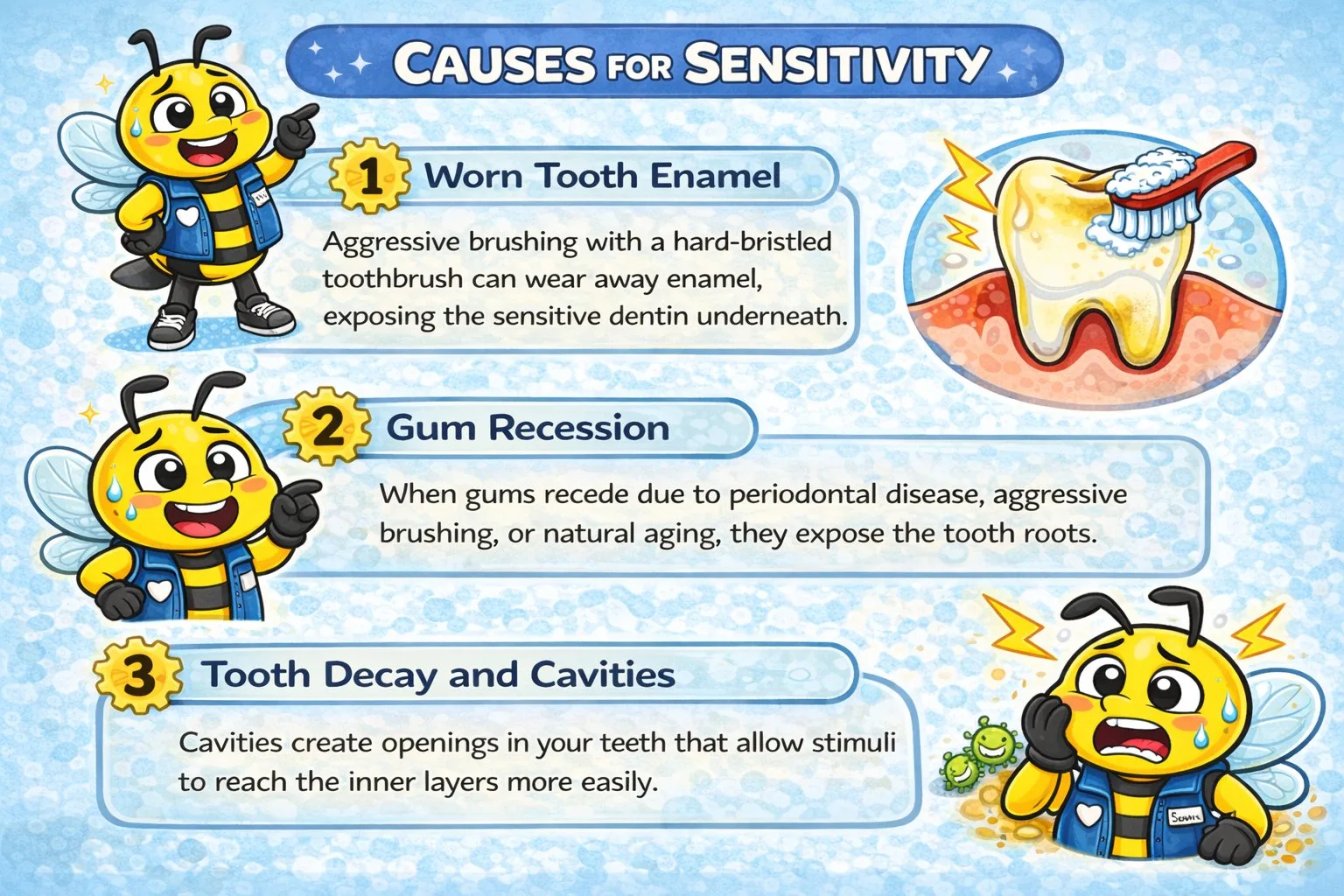
1. Worn Tooth Enamel
Aggressive brushing with a hard-bristled toothbrush can wear away enamel, exposing the sensitive dentin underneath.
2. Gum Recession
When gums recede due to periodontal disease, aggressive brushing, or natural aging, they expose the tooth roots.
Gum Disease → | Receding Gums → | Periodontal Care →
3. Tooth Decay and Cavities
Cavities create openings in your teeth that allow stimuli to reach the inner layers more easily.
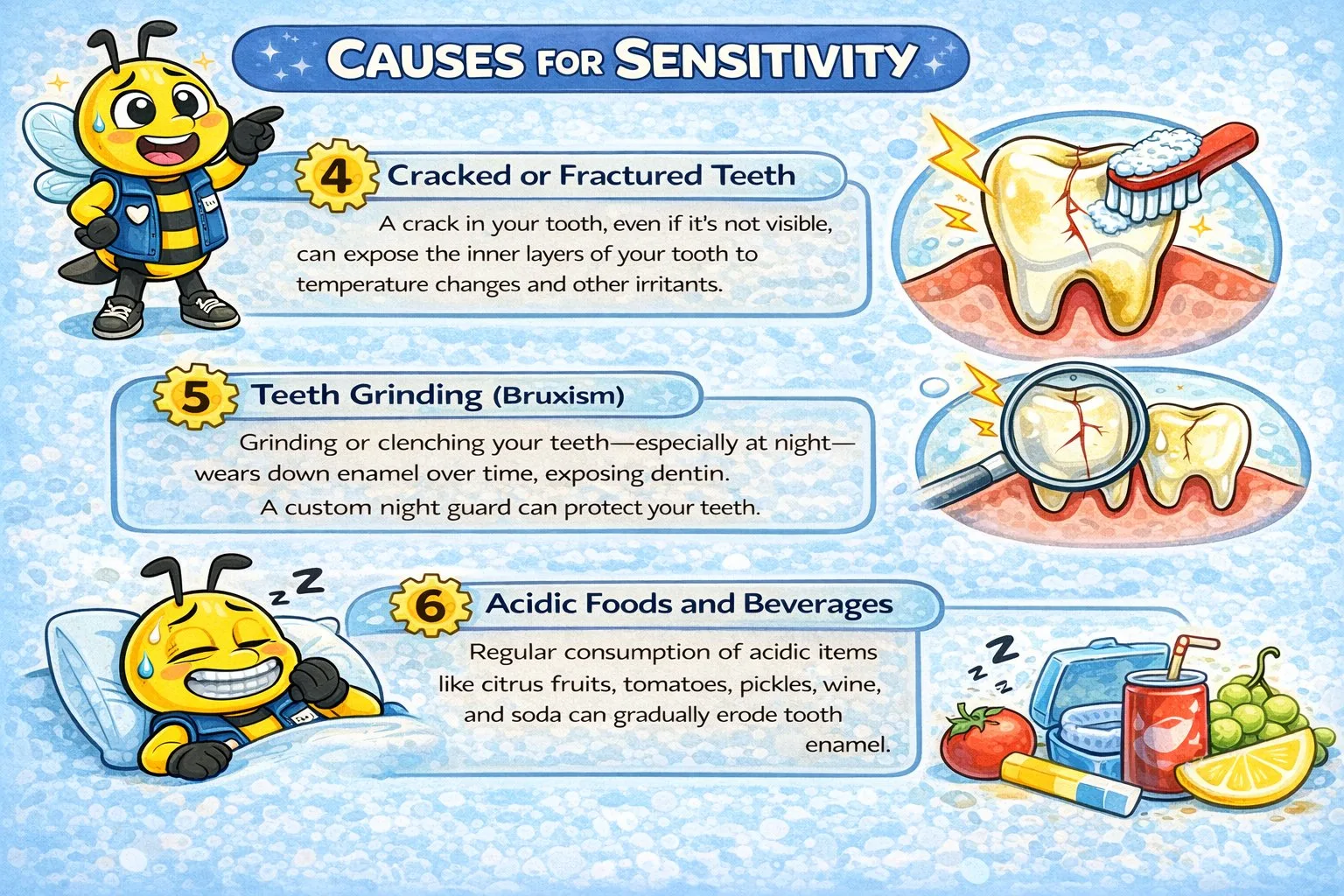
4. Cracked or Fractured Teeth
A crack in your tooth, even if it's not visible, can expose the inner layers of your tooth to temperature changes and other irritants.
Broken Tooth → | Chipped Tooth → | Teeth Grinding →
5. Teeth Grinding (Bruxism)
Grinding or clenching your teeth—especially at night—wears down enamel over time, exposing dentin. A custom night guard can protect your teeth.
6. Acidic Foods and Beverages
Regular consumption of acidic items like citrus fruits, tomatoes, pickles, wine, and soda can gradually erode tooth enamel.
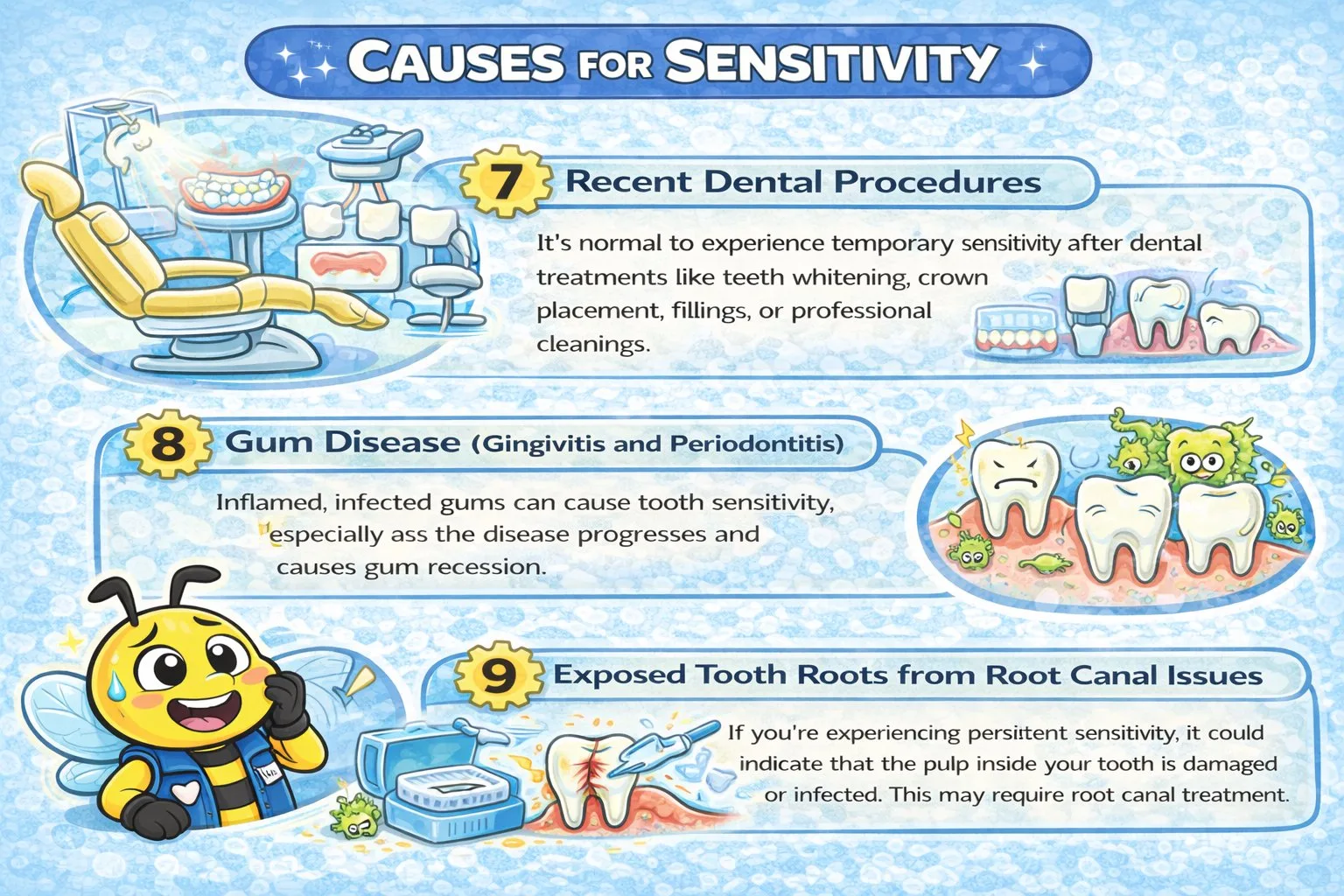
7. Recent Dental Procedures
It's normal to experience temporary sensitivity after dental treatments like teeth whitening, crown placement, fillings, or professional cleanings.
8. Gum Disease (Gingivitis and Periodontitis)
Inflamed, infected gums can cause tooth sensitivity, especially as the disease progresses and causes gum recession.
Gingivitis → | Periodontitis → | Gum Bleeding →
9. Exposed Tooth Roots from Root Canal Issues
If you're experiencing persistent sensitivity, it could indicate that the pulp inside your tooth is damaged or infected. This may require root canal treatment.
Recognizing the Symptoms of Tooth Sensitivity
Tooth sensitivity manifests differently for different people, but common symptoms include:
- Sharp, sudden pain when consuming hot, cold, sweet, or acidic foods and beverages
- Discomfort when breathing in cold air
- Pain when brushing or flossing specific teeth
- Lingering discomfort after the trigger is removed
- Pain when biting down on certain foods
- Increased sensitivity over time rather than a constant ache
If your sensitivity is severe, persistent, or affects multiple teeth, it's important to schedule a dental examination.

When to See a Dentist About Tooth Sensitivity
While occasional, mild sensitivity might not be cause for alarm, you should definitely see a dentist if:
- Sensitivity persists for more than a few days
- Pain is severe or unbearable
- Sensitivity affects multiple teeth
- Over-the-counter sensitivity toothpaste doesn't provide relief after two weeks of use
- You notice visible signs of decay, cracks, or gum recession
- Sensitivity is accompanied by swelling, fever, or difficulty chewing
- You have a history of gum disease or dental problems
Ignoring tooth sensitivity can lead to more serious issues down the road.
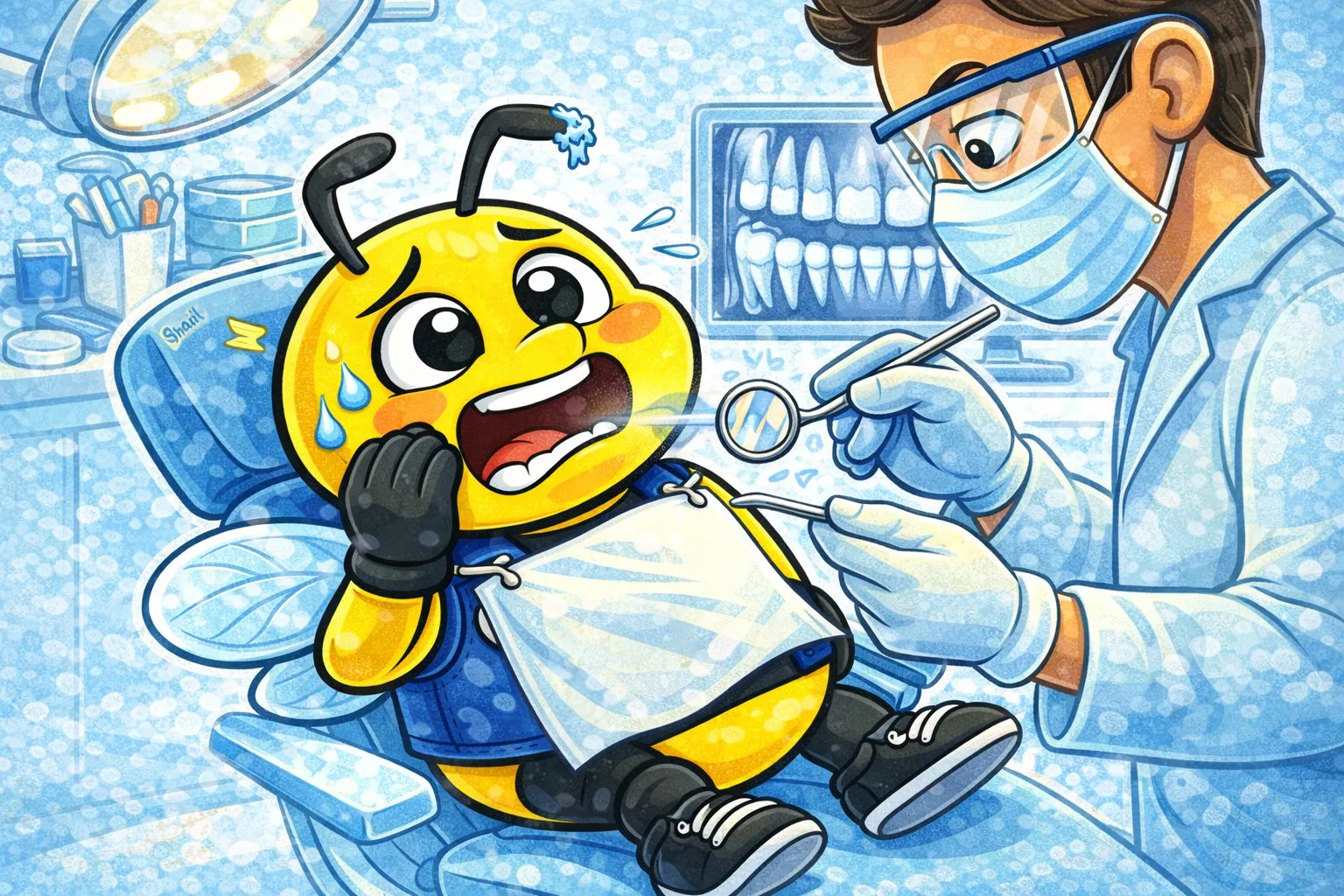
How BluSky Dental Holland Cross Diagnoses Tooth Sensitivity
When you visit BluSky Dental Holland Cross for tooth sensitivity, we conduct a thorough evaluation to identify the underlying cause:
Comprehensive Examination
We'll carefully examine your teeth and gums, looking for visible signs of enamel erosion, decay, cracks, or gum recession.
Medical and Dental History Review
Understanding your overall health, medications, and dental history helps us identify potential contributing factors.
Sensitivity Testing
We may apply gentle stimuli—such as air, cold water, or a probe—to specific teeth to pinpoint exactly which teeth are sensitive.
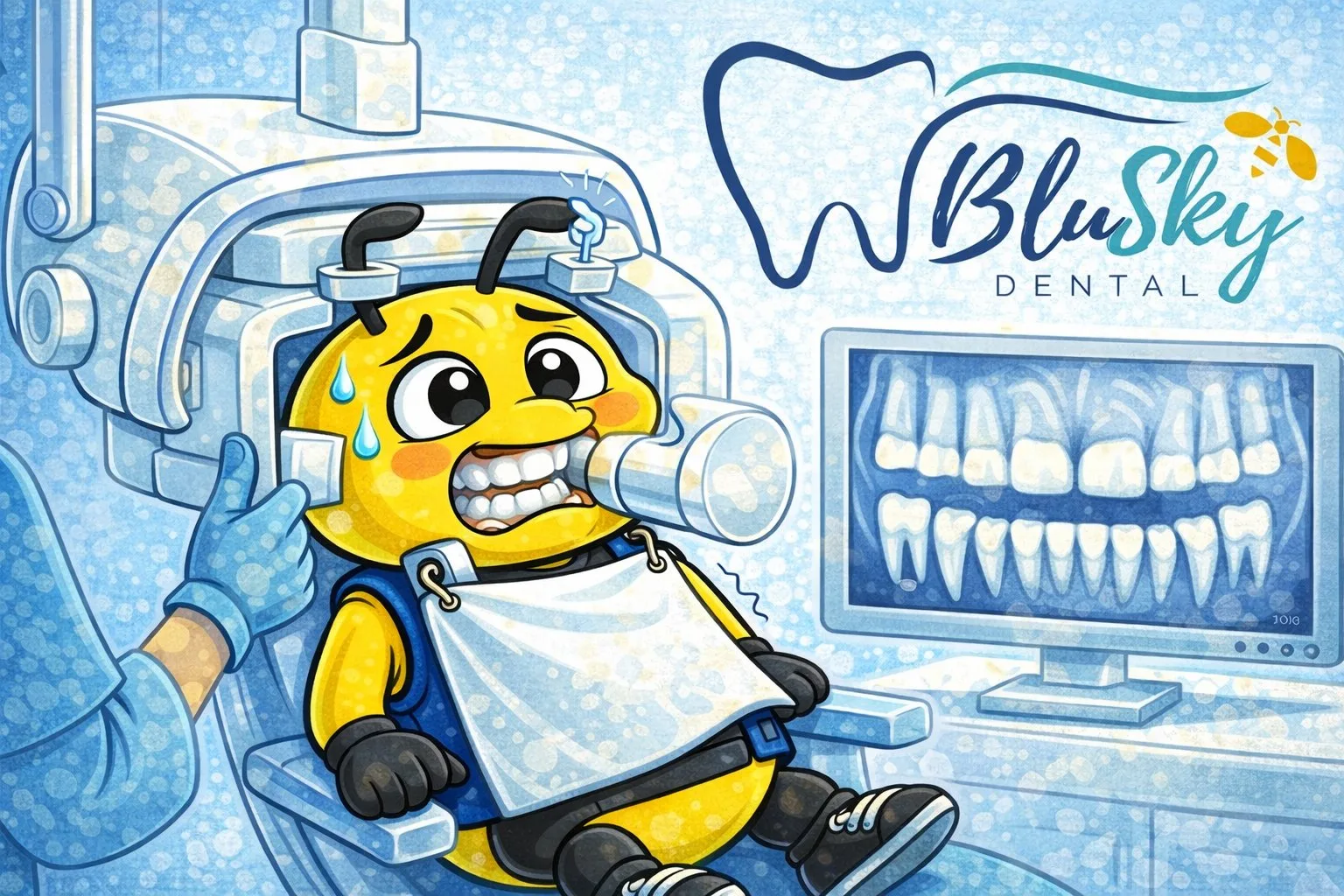
Digital X-Rays
Our advanced digital radiography allows us to see what's happening beneath the surface.
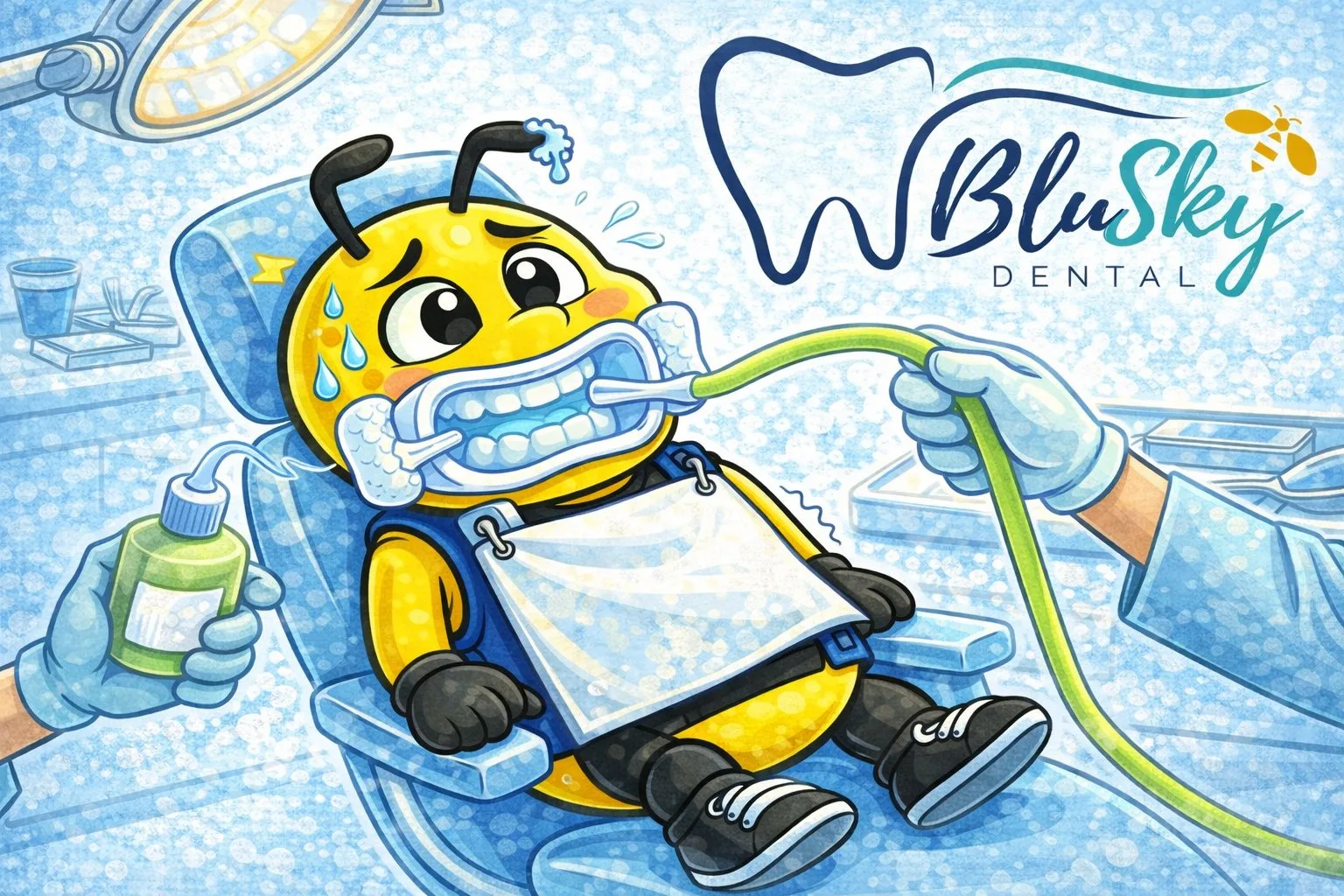
Treatment Options for Tooth Sensitivity
Once we've determined the cause of your sensitivity, we'll recommend the most appropriate treatment:
Desensitizing Toothpaste
For mild sensitivity, we may recommend a desensitizing toothpaste containing potassium nitrate or strontium chloride.
Fluoride Treatment
We can apply professional-strength fluoride to strengthen enamel and reduce sensitivity.
Dental Bonding
For exposed root surfaces, we can apply tooth-colored resin to cover sensitive areas.
Gum Graft Surgery
For severe gum recession, grafting tissue to cover exposed roots provides lasting relief.
Root Canal
When sensitivity stems from pulp damage or infection, root canal therapy eliminates the problem at its source.
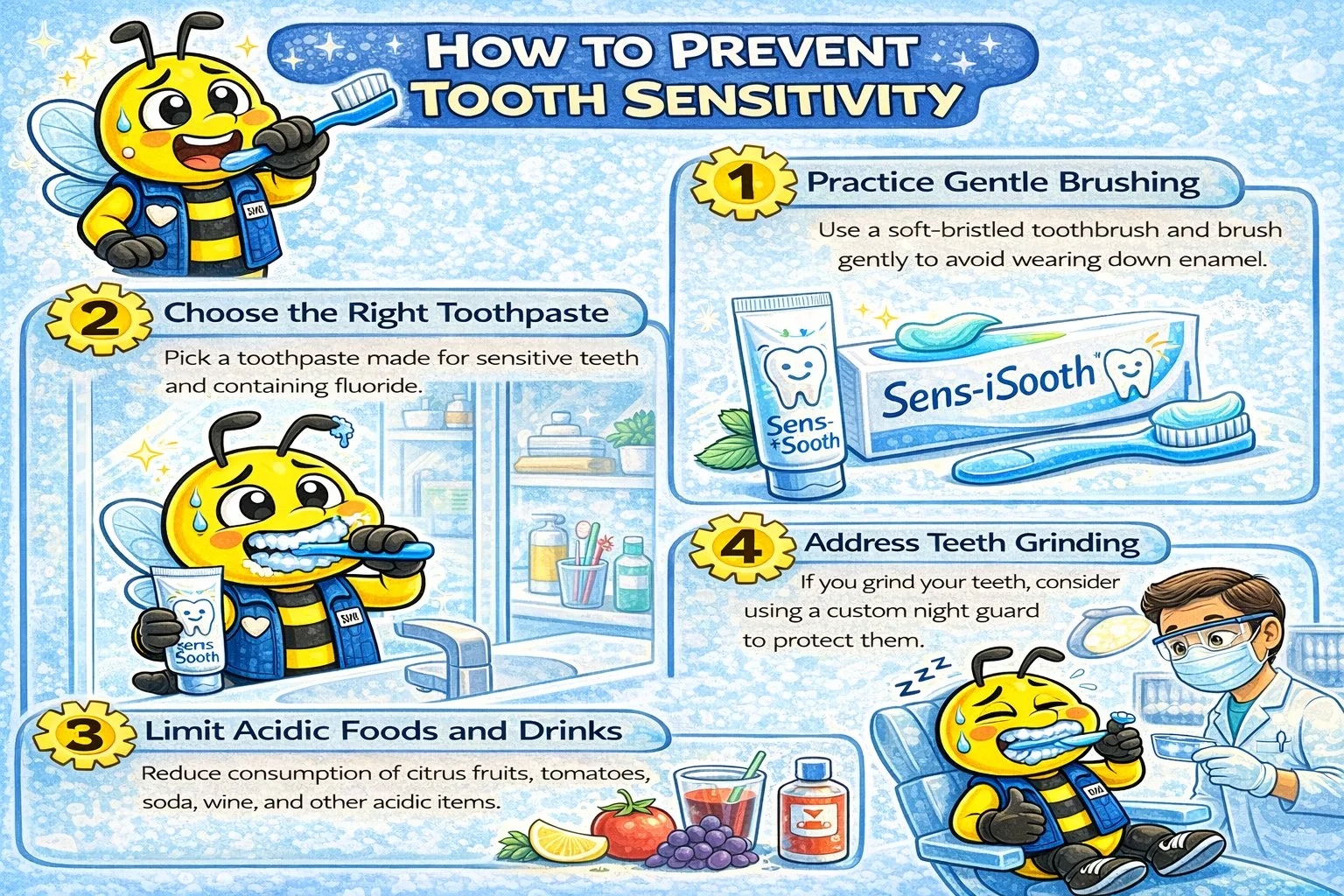
How to Prevent Tooth Sensitivity
- Practice Gentle Brushing: Use a soft-bristled toothbrush and gentle, circular motions
- Choose the Right Toothpaste: Avoid highly abrasive whitening toothpastes if you're prone to sensitivity
- Floss Daily: Removes plaque and bacteria between teeth
- Limit Acidic Foods and Drinks: Minimize consumption of citrus, wine, and soda
- Address Teeth Grinding: Talk to us about getting a custom night guard
- Maintain Regular Dental Visits: Regular checkups allow us to catch problems early
Find Relief from Tooth Sensitivity
Expert Care for Sensitive Teeth
At BluSky Dental Holland Cross, we take tooth sensitivity seriously. We'll identify the root cause of your discomfort and develop a personalized treatment plan to help you enjoy your favorite foods and drinks again—without wincing in pain.
Frequently Asked Questions
Not always, but it can be. Mild, occasional sensitivity might not indicate a serious issue, but persistent or severe sensitivity could signal decay, gum disease, or other problems that require treatment. It's always best to have it evaluated by a dentist.
It depends on the treatment. Desensitizing toothpaste typically requires 1-2 weeks of consistent use. In-office treatments like fluoride application or bonding can provide relief immediately or within a few days. More complex treatments like root canals eliminate sensitivity once healing is complete.
Temporary sensitivity after dental procedures often resolves on its own within a few weeks. However, sensitivity caused by underlying problems like decay, gum disease, or enamel erosion will typically worsen over time without treatment.
No. While teeth whitening can cause temporary sensitivity, it's not permanent. The sensitivity usually subsides within a few days after treatment. Using desensitizing toothpaste before and after whitening can help minimize discomfort.
Not necessarily. Root canals are only required when the tooth's pulp is damaged or infected. Many cases of sensitivity can be successfully treated with less invasive options. We'll always recommend the most conservative effective treatment first.
Schedule Your Sensitivity Evaluation
Don't let tooth sensitivity control your life. Contact us today for a thorough evaluation and personalized treatment plan.
Call: (613) 728-1511
Address: 20 – 1620 Scott Street, Ottawa, ON K1Y 4S7
Hours: Monday – Friday: 8:00 AM – 5:00 PM
At BluSky we BEElieve in bringing life to your smile. 🐝