Dry Mouth Treatment in Ottawa – Expert Xerostomia Care at BluSky Dental

Do you constantly feel like your mouth is parched? Does your tongue stick to the roof of your mouth, or do you have difficulty swallowing dry foods? Dry mouth—medically known as xerostomia—is more than just an uncomfortable sensation. It's a condition that can seriously impact your oral health if left untreated. At BluSky Dental Holland Cross in Ottawa, we help patients find relief from dry mouth while protecting their teeth from the damage this condition can cause.
Serving Westboro, Hintonburg, Wellington West, Little Italy, and Downtown Ottawa.
What Is Dry Mouth (Xerostomia)?
Dry mouth occurs when your salivary glands don't produce enough saliva to keep your mouth adequately moist. While everyone experiences occasional mouth dryness—such as when nervous or dehydrated—chronic dry mouth is a persistent condition that affects daily comfort and long-term oral health.
Saliva plays crucial roles in oral health that go far beyond moisture. It washes away food particles, neutralizes acids produced by bacteria, provides disease-fighting substances, aids in chewing and swallowing, and helps repair early tooth decay through remineralization. When saliva production drops, all these protective functions are compromised.
An estimated 20% of the general population experiences dry mouth, with rates increasing significantly among older adults and those taking multiple medications. Our Westboro dental team sees many patients whose dry mouth stems from treatable causes.
Signs and Symptoms of Dry Mouth
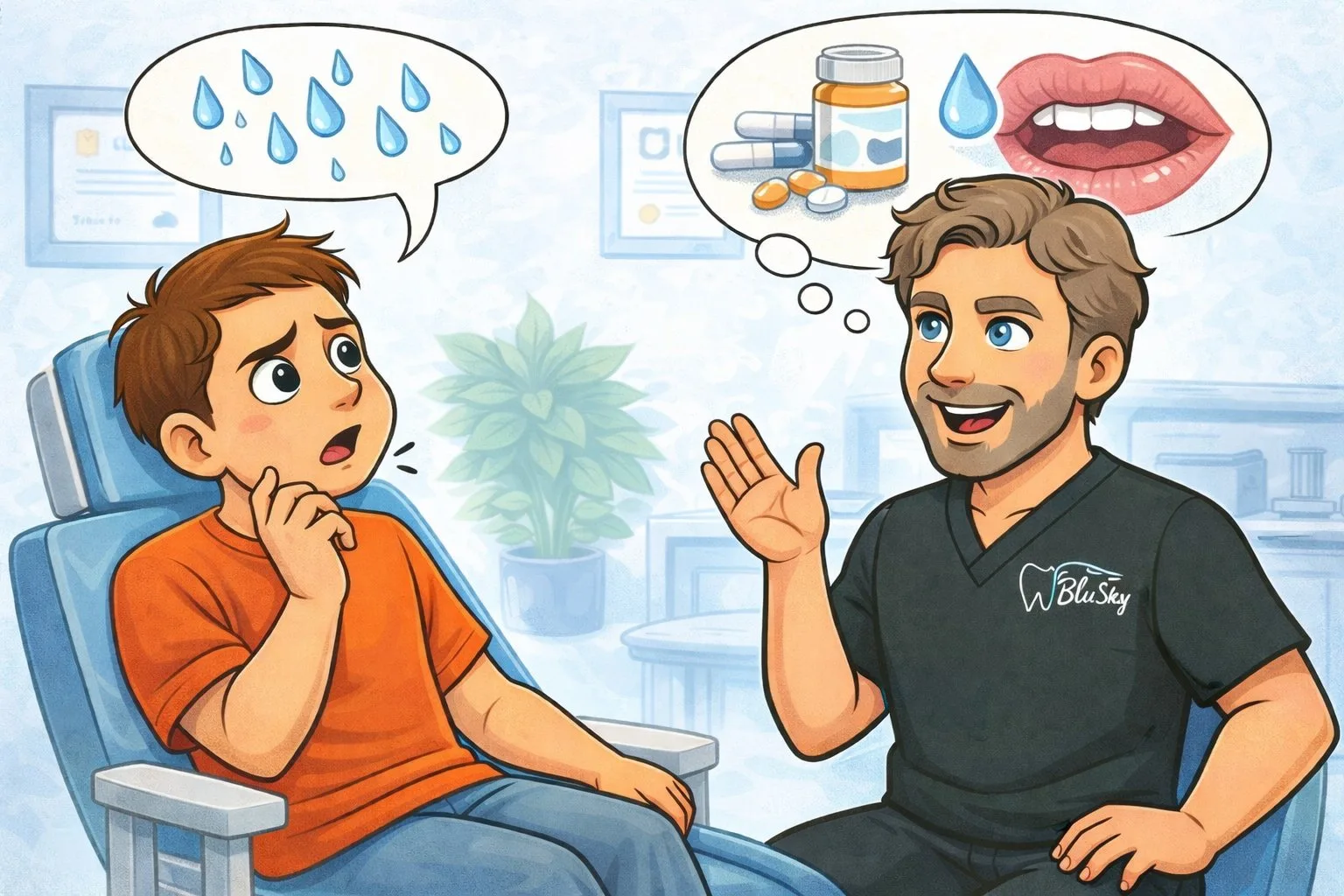
Dry mouth manifests through various symptoms that can range from mild inconvenience to significant impairment. Our Hintonburg-serving patients commonly report:
Oral Symptoms:
- Persistent dryness – Feeling that your mouth is constantly dry
- Thick, stringy saliva – Saliva that feels sticky or foamy
- Dry, rough tongue – Tongue may appear red or cracked
- Cracked lips – Dryness extending to lips and mouth corners
- Difficulty speaking – Words feel stuck without moisture
- Trouble chewing and swallowing – Especially dry foods
Associated Problems:
- Bad breath (halitosis) – Reduced saliva allows odor-causing bacteria to flourish
- Altered taste – Foods may taste different or metallic
- Burning or tingling sensation – Particularly on the tongue
- Increased cavities – Rapid tooth decay despite good hygiene
- Mouth sores – More frequent canker sores or infections
- Dry throat and hoarseness – Extending beyond the mouth
Signs of Severe Dry Mouth:
- Difficulty wearing dentures
- Frequent oral infections
- Significant weight loss from eating difficulties
- Chronic sore throat
- Frequent waking at night due to mouth dryness
What Causes Dry Mouth?
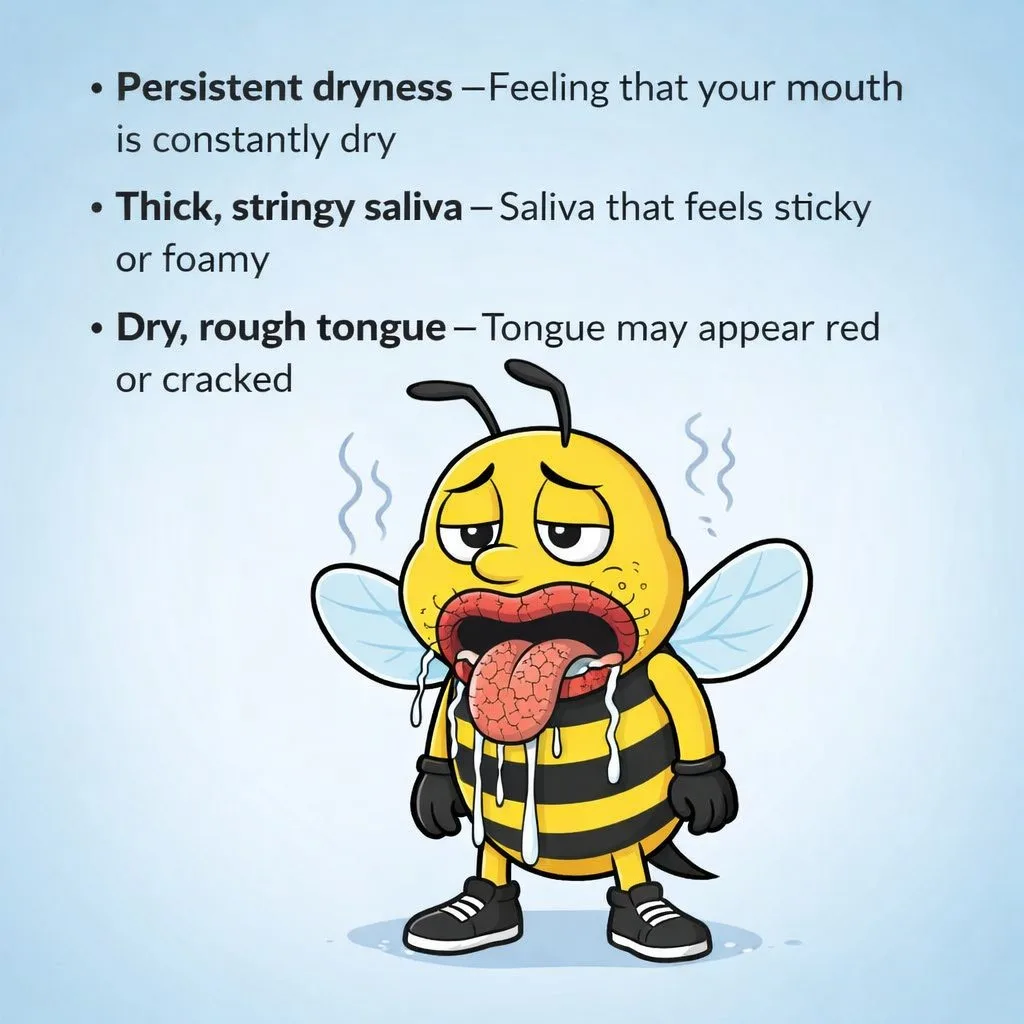
Understanding the cause of your dry mouth guides effective treatment. Our Downtown Ottawa dental team considers these common causes:
Medications (Most Common Cause):
Over 400 medications can cause dry mouth as a side effect:
- Antihistamines and decongestants – Allergy and cold medications
- Antidepressants and anxiety medications – Many psychiatric medications
- Blood pressure medications – Diuretics, beta-blockers, ACE inhibitors
- Pain medications – Opioids and some NSAIDs
- Muscle relaxants – Commonly prescribed for back pain
- Parkinson's disease medications
- Anti-nausea medications
Medical Conditions:
Several health conditions affect saliva production:
- Sjögren's syndrome – Autoimmune disease attacking moisture-producing glands
- Diabetes – High blood sugar reduces saliva production
- HIV/AIDS – Affects salivary gland function
- Parkinson's disease – Can impair swallowing and saliva production
- Alzheimer's disease – May reduce awareness of drinking needs
- Rheumatoid arthritis – Sometimes associated with Sjögren's
Medical Treatments:
- Radiation therapy – Head and neck radiation damages salivary glands
- Chemotherapy – Can temporarily reduce saliva production
- Nerve damage – Surgery or injury affecting head and neck nerves
Lifestyle Factors:
- Smoking and tobacco use – Reduces saliva production
- Alcohol consumption – Has a drying effect on mouth tissues
- Caffeine – Can worsen dry mouth symptoms
- Mouth breathing – Common during sleep or with nasal congestion
- Dehydration – Inadequate fluid intake
Aging:
While aging itself doesn't cause dry mouth, older adults often take more medications and have more health conditions that contribute to dry mouth.
How Dry Mouth Affects Your Dental Health
Dry mouth isn't just uncomfortable—it creates a hostile environment for your teeth and gums. Our Wellington West area patients learn why managing dry mouth is essential:
Increased Cavity Risk:
Without saliva's protective washing action and acid-neutralizing properties, cavity-causing bacteria thrive. Patients with dry mouth can develop cavities at 3-4 times the normal rate, even with excellent brushing habits.
Gum Disease:
Reduced saliva allows bacterial plaque to accumulate more easily along the gum line, increasing the risk of gingivitis and periodontitis.
Learn more about Gum Disease →
Oral Infections:
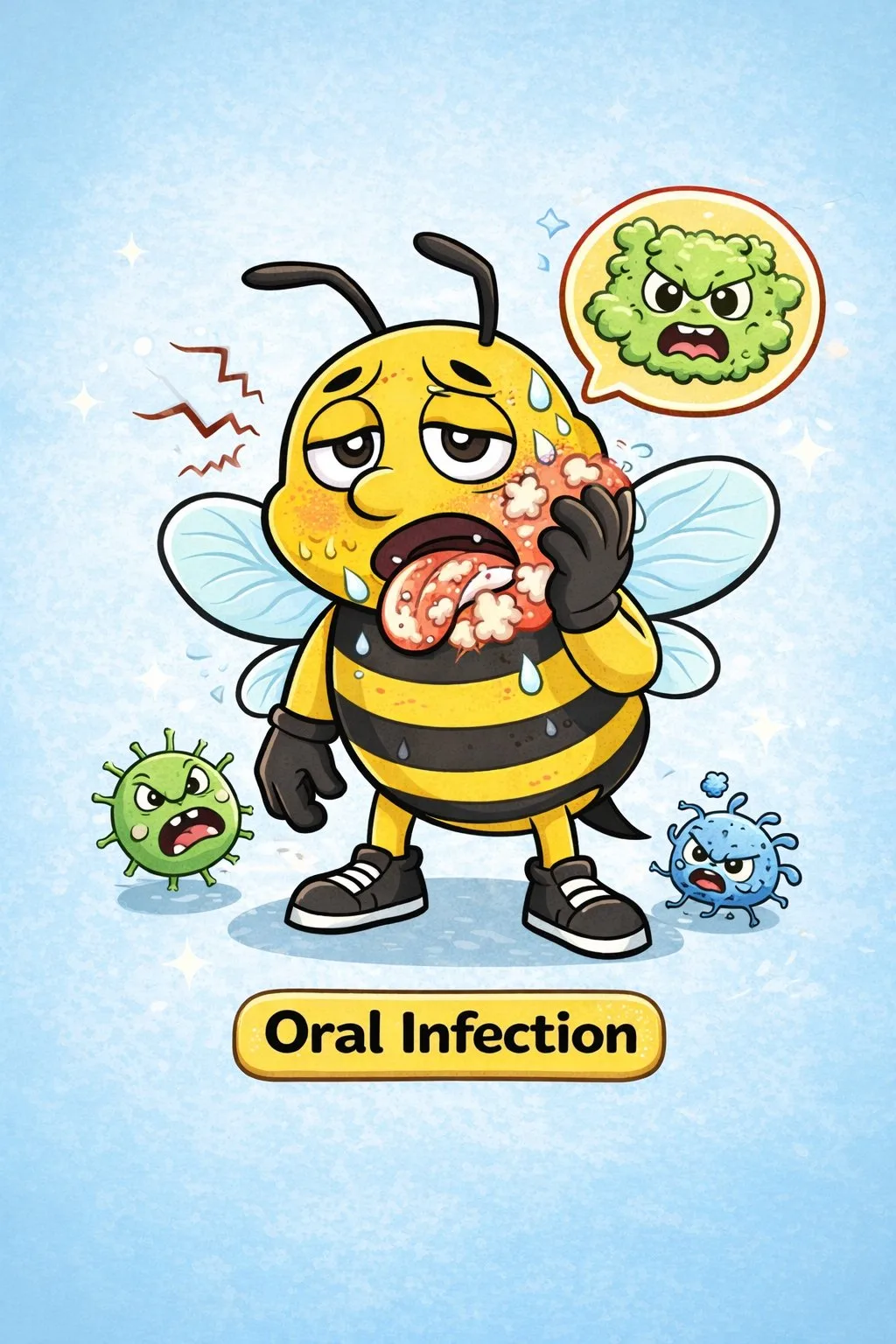
Saliva contains antimicrobial proteins that help control fungal and bacterial growth. Dry mouth increases the risk of oral thrush (candidiasis) and other infections.
Tooth Erosion:
Without saliva to neutralize acids from food and bacteria, tooth enamel erodes more quickly.
Denture Problems:
Saliva helps create suction for dentures. Dry mouth makes wearing dentures uncomfortable and can cause sore spots.
How We Diagnose and Treat Dry Mouth at BluSky Dental
Our Holland Cross team takes a comprehensive approach to dry mouth management:
Comprehensive Evaluation:
- Medical history review – Identifying medications and conditions contributing to dry mouth
- Oral examination – Assessing saliva quality, checking for cavities and gum disease
- Salivary flow assessment – Evaluating how much saliva your glands produce
- Oral tissue examination – Checking for dryness, infections, and damage
Treatment Approaches:
Cause-Directed Treatment:
When possible, we address the underlying cause:
- Working with your physician regarding medication alternatives
- Identifying and treating contributing health conditions
- Recommending lifestyle modifications
Symptom Relief:
We recommend products and strategies to ease discomfort:
- Artificial saliva products
- Moisturizing mouth rinses (alcohol-free)
- Overnight moisturizing gels
- Prescription saliva stimulants when appropriate
Preventive Dental Care:
Protecting teeth from dry mouth damage:
- Prescription-strength fluoride toothpaste
- Professional fluoride treatments
- Dental sealants for vulnerable teeth
- More frequent professional cleanings
Learn more about Fluoride Treatments →
Restorative Treatment:
Addressing damage already caused:
- Dental fillings for cavities
- Crowns for severely damaged teeth
- Periodontal treatment for gum disease
Managing Dry Mouth at Home
Between dental visits, these strategies help manage dry mouth:
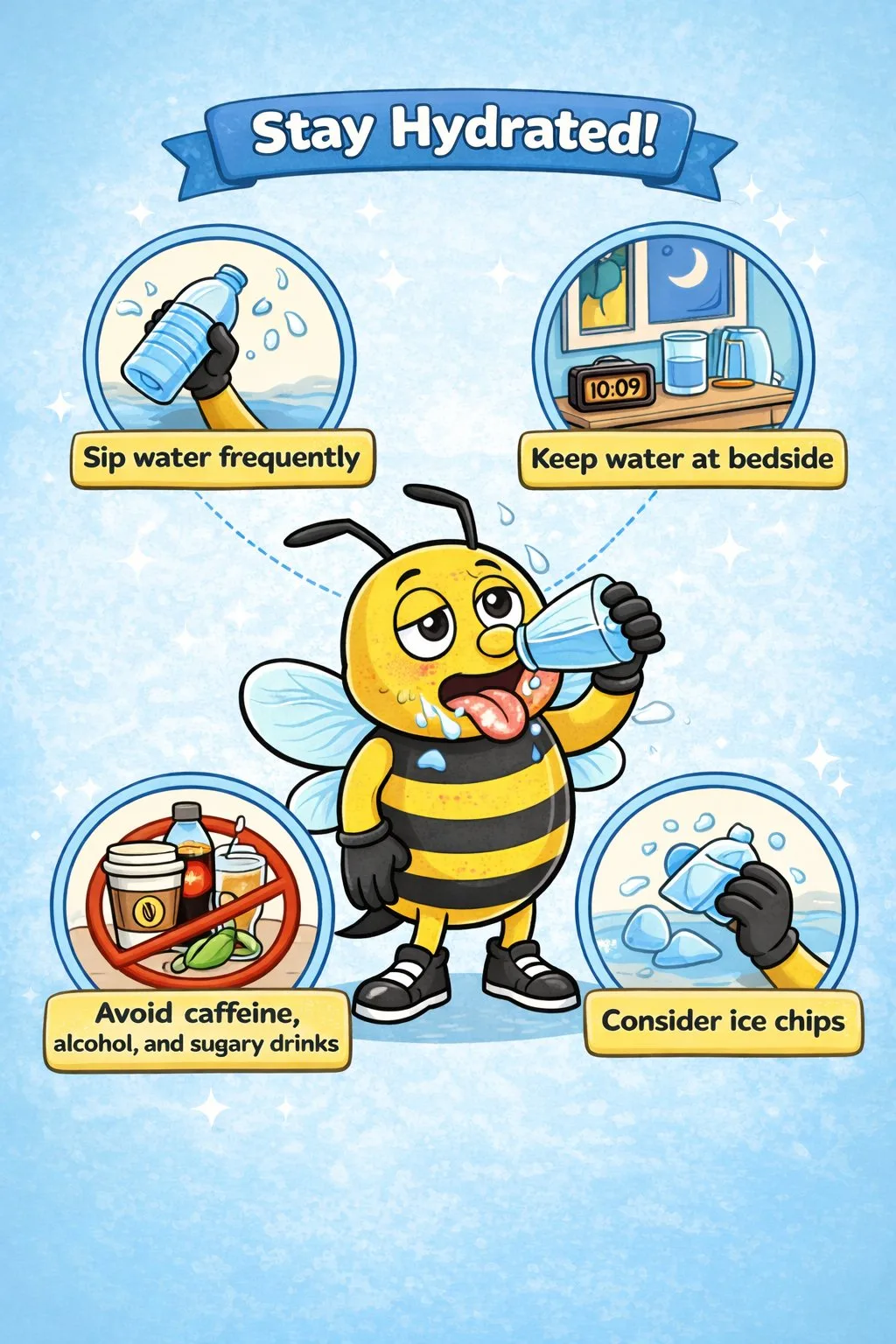
Hydration:
- Sip water frequently throughout the day
- Keep water at your bedside
- Avoid caffeine, alcohol, and sugary drinks
- Consider sucking on ice chips
Stimulate Saliva:
- Chew sugar-free gum (xylitol-containing)
- Suck on sugar-free hard candies
- Eat crunchy, water-rich fruits and vegetables
- Try citrus if tolerated (may be too acidic for some)
Product Recommendations:
- Use dry mouth toothpaste
- Rinse with alcohol-free mouthwash
- Apply dry mouth gel or spray as needed
- Try overnight dry mouth products
Environmental:
- Use a humidifier, especially at night
- Breathe through your nose when possible
- Avoid extremely salty or spicy foods
- Don't smoke or use tobacco products
Oral Care:
- Brush with fluoride toothpaste twice daily
- Floss daily
- Use prescription fluoride products if recommended
- Schedule regular dental checkups
Preventing Complications of Dry Mouth
Proactive care prevents the dental damage dry mouth can cause:
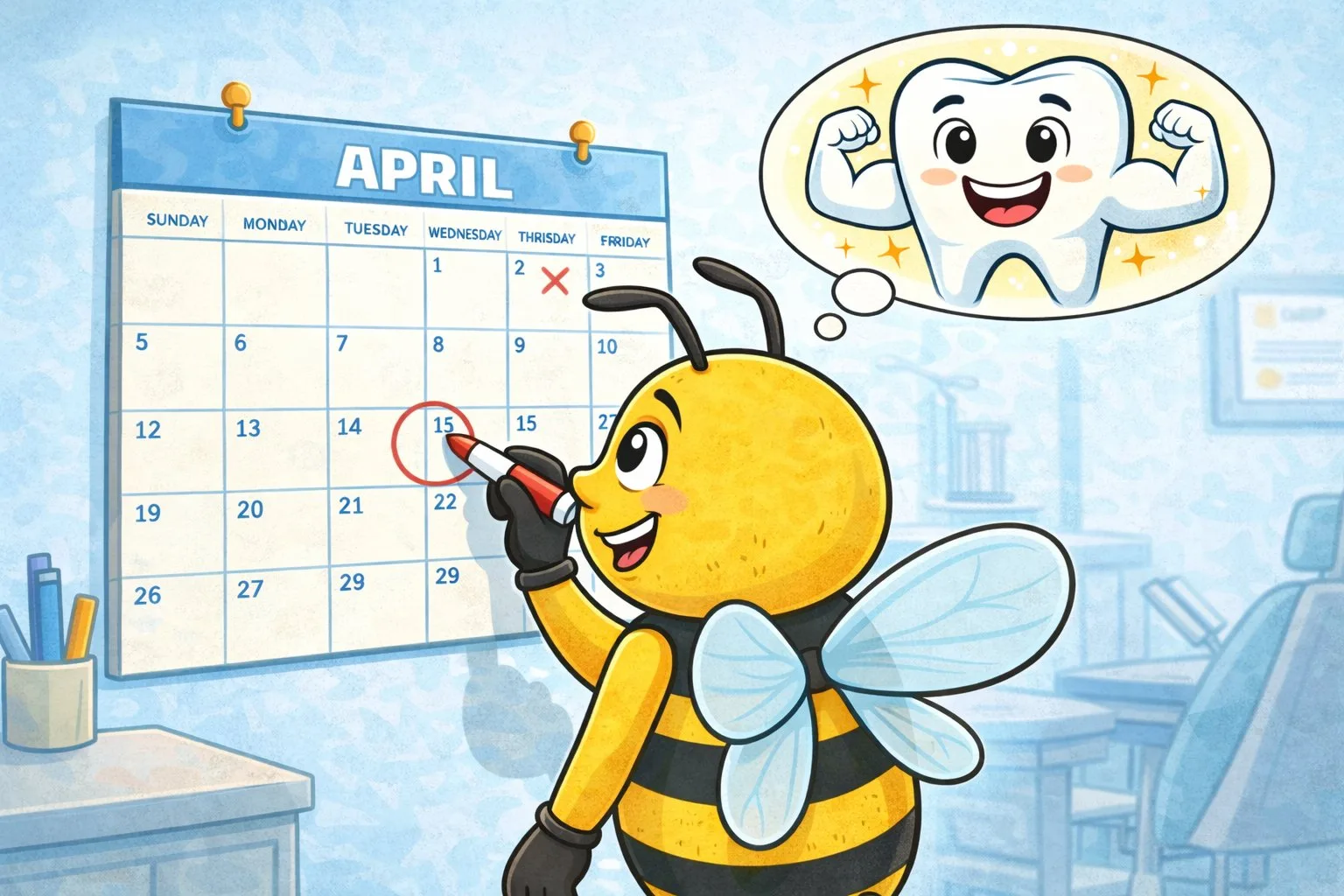
- Increase dental visit frequency – Every 3-6 months for dry mouth patients
- Professional fluoride treatments – Strengthen enamel against decay
- Early intervention – Treat small cavities before they become large problems
- Consistent home care – Never skip brushing or flossing
- Product compliance – Use recommended products consistently
Why Choose BluSky Dental for Dry Mouth Care
Comprehensive Approach
Our Holland Cross team addresses both immediate comfort and long-term dental health implications of dry mouth.
Preventive Focus
We emphasize prevention to protect your teeth from the accelerated decay risk associated with dry mouth.
Product Expertise
We recommend the most effective products based on severity and individual needs.
Ongoing Monitoring
Regular checkups catch problems early when they're easier and less expensive to treat.
Collaborative Care
We work with your other healthcare providers to address medications and conditions contributing to your dry mouth.
Frequently Asked Questions
Chronic dry mouth despite adequate hydration often indicates reduced saliva production rather than dehydration. Common causes include medications, autoimmune conditions, nerve damage, or medical treatments. A dental evaluation at our Westboro location can identify the underlying cause and recommend appropriate treatments.
Yes, dry mouth significantly increases cavity risk. Saliva naturally protects teeth by washing away food particles, neutralizing acids, and providing minerals that strengthen enamel. Without adequate saliva, bacteria thrive and acid attacks teeth more easily. Our Hintonburg-serving team provides preventive care to protect your teeth.
Over 400 medications can cause dry mouth as a side effect. Common culprits include antihistamines, antidepressants, blood pressure medications, diuretics, pain medications, decongestants, and muscle relaxants. Never stop medications without consulting your doctor, but discuss symptoms with both your physician and our Downtown Ottawa dental team.
Natural ways to stimulate saliva include chewing sugar-free gum (especially xylitol-containing), sucking on sugar-free candies, eating crunchy fruits and vegetables, staying well hydrated, and using a humidifier at night. Avoiding caffeine, alcohol, and tobacco also helps.
Yes, seeing a dentist for dry mouth is important. Our Wellington West area team can assess the impact on your oral health, check for cavities and gum disease, provide preventive treatments like fluoride applications, and recommend products to manage symptoms.
Schedule Your Dry Mouth Consultation Today
Don't let dry mouth damage your smile or diminish your quality of life. Contact BluSky Dental Holland Cross today for a comprehensive evaluation. Our experienced team will identify contributing factors, recommend effective management strategies, and provide the preventive care your teeth need. Whether you're experiencing occasional dryness or chronic dry mouth affecting your daily comfort, we're here to help patients throughout Ottawa. Our convenient Westboro location serves Hintonburg, Wellington West, Little Italy, and Downtown Ottawa.
Call: (613) 728-1511
Address: 20 – 1620 Scott Street, Ottawa, ON K1Y 4S7
Email: hollandcrossreception@blusky.dental
Hours: Monday – Friday: 8:00 AM – 5:00 PM
At BluSky we BEElieve in bringing life to your smile. 🐝