
Helping Children Overcome Dental Anxiety
Our goal: Children who aren't afraid of the dentist.

Understanding Dental Anxiety in Children
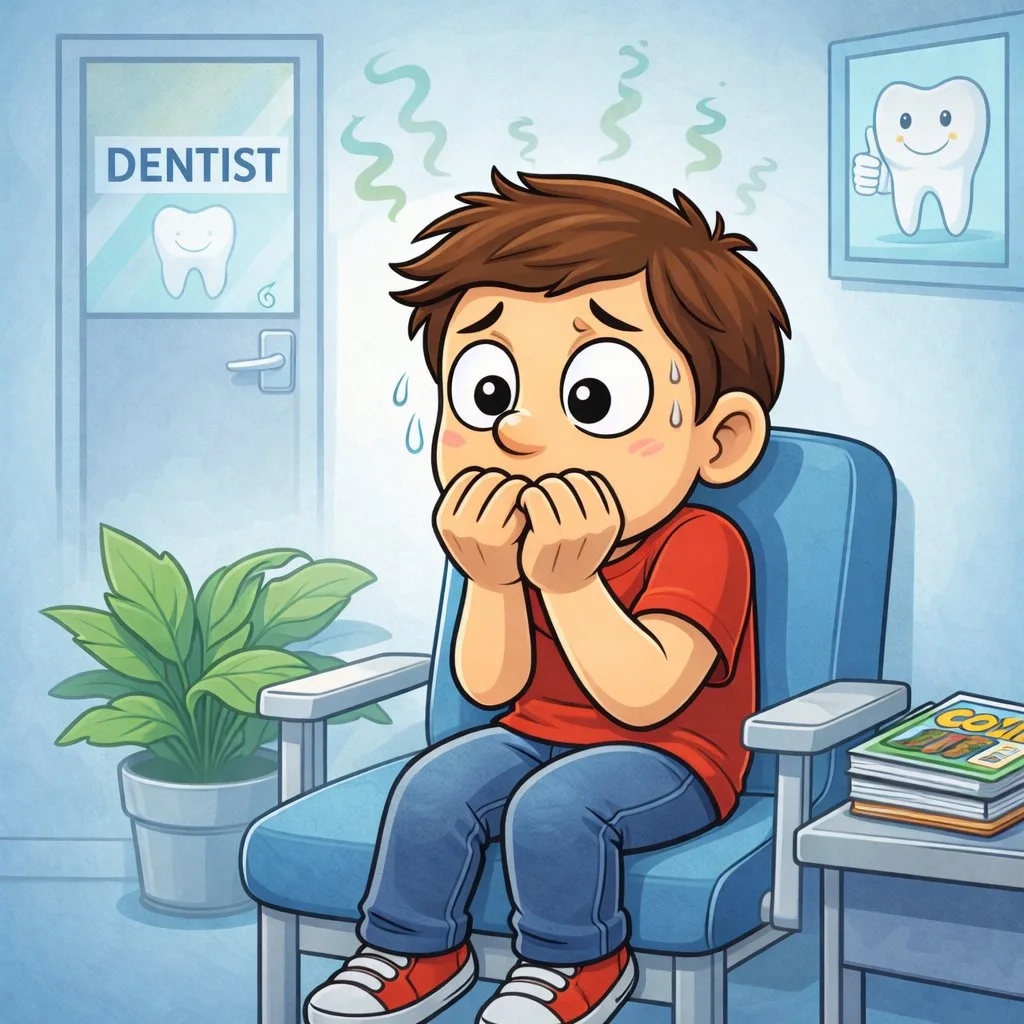
Is your child terrified of the dentist? Do they cry, cling, or refuse to open their mouth? You're not alone. Dental anxiety is common in children—but with the right approach, most kids can learn to feel comfortable and even enjoy dental visits. At BluSky Dental, we specialize in helping anxious children have positive dental experiences.
Why Children Fear the Dentist
Kids may be anxious because of:
- Fear of the unknown — New environment, unfamiliar people
- Previous bad experience — Pain or discomfort at a past visit
- Parents' anxiety — Children pick up on adult fears
- Fear of pain — Worrying about shots or drilling
- Loss of control — Lying back, mouth open, unable to speak
- Sensory overload — Bright lights, sounds, tastes, smells
- Stranger anxiety — Especially in younger children
- Stories from friends — Negative accounts from peers
Signs of Dental Anxiety
- Crying or tantrums before/during appointments
- Refusing to open mouth
- Clinging to parents
- Physical symptoms (stomachache, trouble sleeping before visit)
- Refusing to go to the dentist
- Becoming quiet and withdrawn
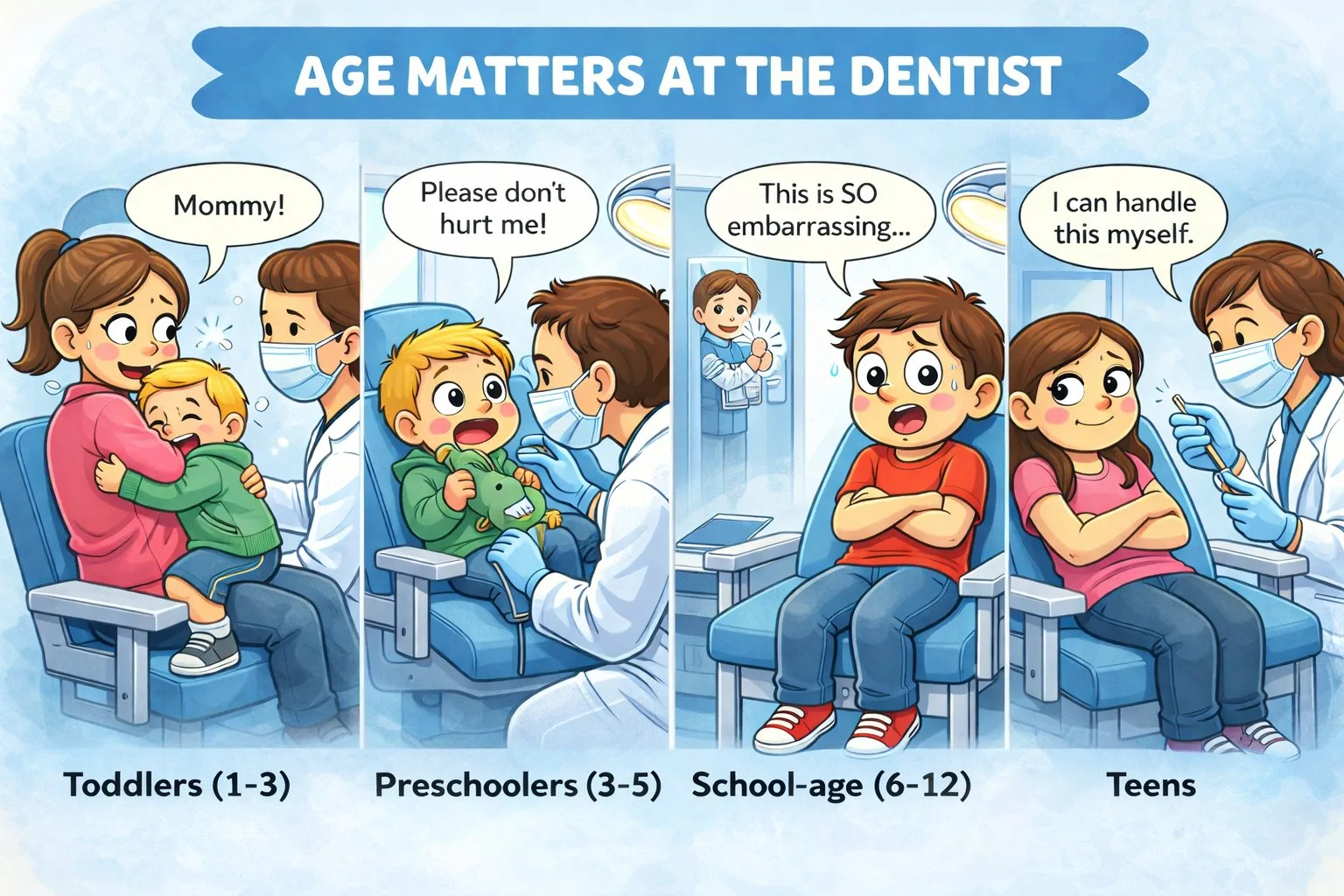
Age Matters
- Toddlers (1-3): Separation anxiety, fear of strangers
- Preschoolers (3-5): Active imaginations, fear of pain
- School-age (6-12): Embarrassment, previous experiences
- Teens: Self-consciousness, desire for control
Our Approach to Anxious Kids
Creating a Positive Environment
Our office is designed to be welcoming for children:
- Friendly, patient staff who love working with kids
- Kid-friendly waiting area
- Gentle, calm atmosphere
- Explanations at child's level
- No rushing—we take the time needed
Tell-Show-Do Technique
Our go-to approach for nervous children:
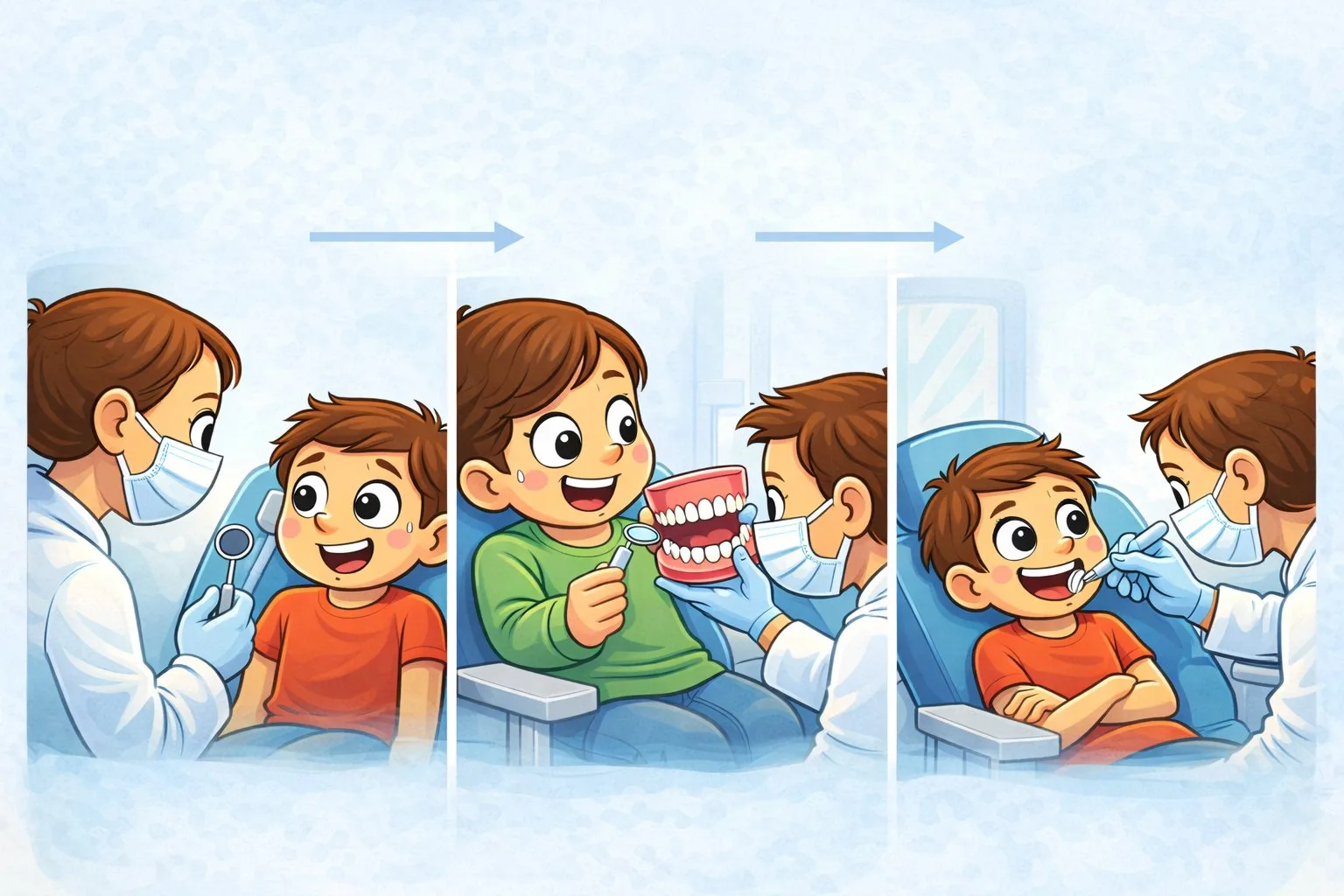
- Tell — Explain what we'll do in simple terms
- Show — Demonstrate on a model or their finger
- Do — Perform the procedure
No surprises. Children know exactly what's happening.
Positive Reinforcement
- Praise for cooperation (even small steps)
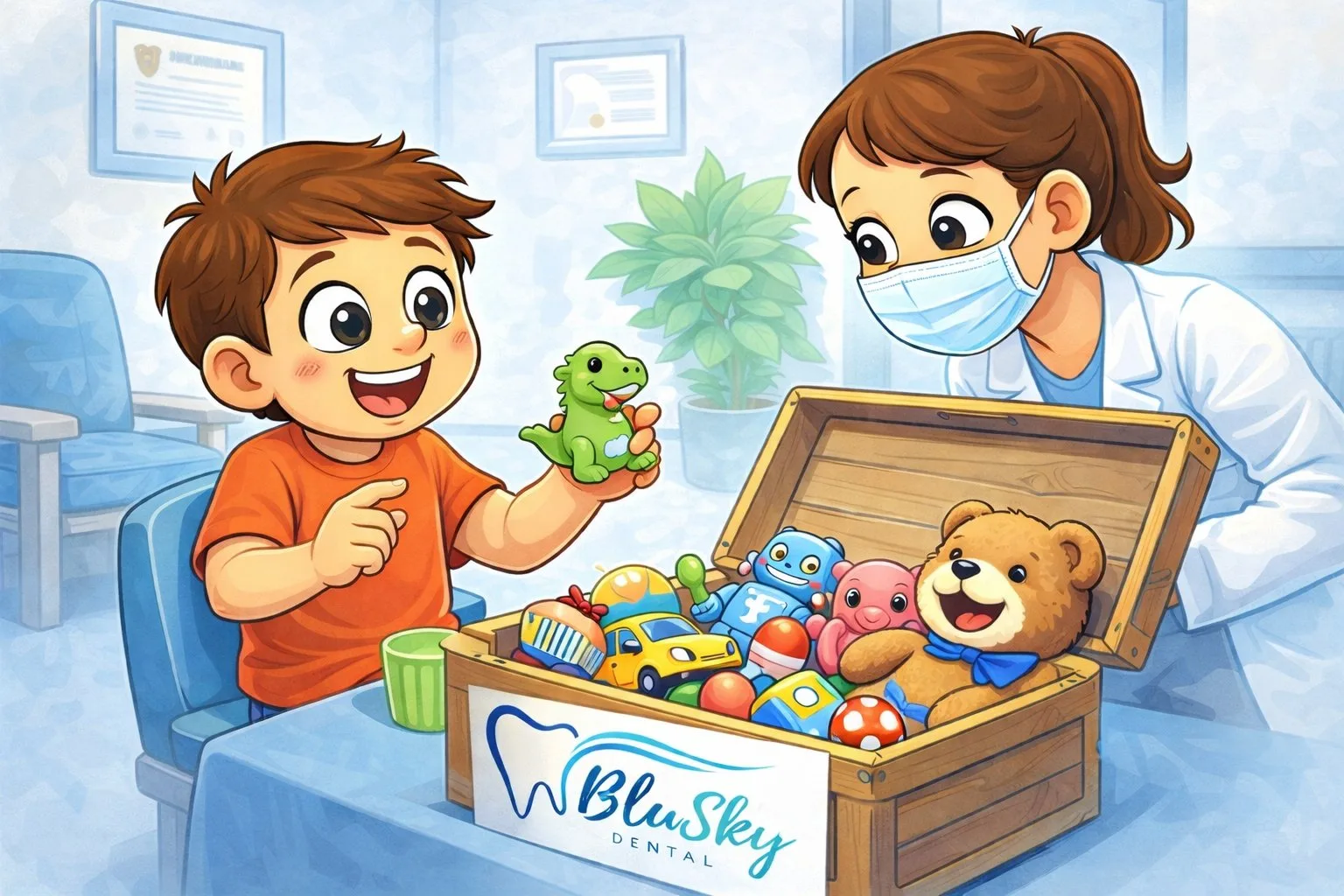
- Prizes and stickers after visits
- Celebrating accomplishments
- Never shaming or scolding
Distraction Techniques
- Ceiling-mounted TVs with kid shows
- Headphones with music
- Counting games
- Conversation about favorite topics
Taking Things Slowly
For very anxious children, we might:
- Start with just a "hello" visit (no treatment)
- Progress to sitting in the chair
- Then to opening their mouth
- Build up gradually over multiple visits
Parent Involvement
We welcome parents in the treatment area:
- Stay or step out—whatever helps your child
- Model calm behavior
- Avoid threatening language ("It won't hurt IF you're good")
- Celebrate small victories together

Tips for Parents
Before the Appointment
Do:
- Schedule morning appointments (less tired, less anxious)
- Read positive books about dental visits
- Play "dentist" at home (count their teeth)
- Keep your own anxiety in check
- Use positive, simple language
- Let them bring a comfort item
Don\'t:
- Use the dentist as a threat
- Say "It won't hurt" (introduces the concept of pain)
- Share your own dental fears
- Over-prepare or make it seem like a big deal
- Promise no shots (you can't guarantee)
- Bribe excessively (creates expectation)

Helpful Language
| Instead of... | Say... |
|---|---|
| "It won't hurt" | "The dentist will count your teeth" |
| "Don't be scared" | "I know this is new, and that's okay" |
| "Be brave" | "You can hold my hand" |
| "Shot/needle" | "Sleepy juice for your tooth" |
| "Drill" | "Tooth tickler" |
After the Appointment
- Praise their effort (not just outcome)
- Focus on positives, not negatives
- Don't dwell on difficulties
- Celebrate with a small treat (non-sugary!)
- Talk about what was fun or interesting
When to Seek Extra Help
Most childhood dental anxiety can be managed with patience and positive experiences. Consider additional support if:
- Anxiety prevents all dental care
- Child has had traumatic experiences
- Severe phobia affecting daily life
- Special needs requiring accommodations
We can discuss referrals to pediatric specialists when needed.
Building Long-Term Comfort
Our goal isn't just getting through today's appointment—it's helping children develop positive attitudes toward dental care for life.
Keys to success:
- Start dental visits early (by age 1)
- Keep visits positive
- Maintain regular appointments (builds familiarity)
- Address problems before they become emergencies
- Model good oral health habits at home
Frequently Asked Questions
The American Academy of Pediatric Dentistry recommends by age 1 or when the first tooth appears. Early visits are typically just quick looks that build comfort.
Absolutely. Many of our young patients come to us after negative experiences. With patience and our gentle approach, most children learn to trust again.
We welcome parents! Most children do better with a parent present. However, some older children prefer parents to wait outside. We'll follow your child's lead.
Help Your Child Love the Dentist
Every child deserves gentle, positive dental experiences. At BluSky Dental, we have the patience, techniques, and training to help anxious children become comfortable dental patients.
Call: (613) 728-1511
Address: 20 – 1620 Scott Street, Ottawa, ON K1Y 4S7
At BluSky we BEElieve in bringing life to your smile. 🐝