Child Cavities: Treatment and Prevention
Baby teeth matter. Cavities in children need attention.

Gentle Cavity Treatment for Kids
Cavities are the most common chronic childhood disease—more common than asthma or allergies. If your child has a cavity, you're not alone. At BluSky Dental, we provide gentle, child-friendly cavity treatment and help families prevent future decay.
Why Children Get Cavities
Contributing Factors
Diet
- Sugary snacks and drinks
- Juice and milk (especially in bottles/sippy cups)
- Sticky foods that cling to teeth
- Frequent snacking
Oral Hygiene
- Inadequate brushing (or brushing without supervision)
- Not flossing
- Missing areas while brushing
Bacteria Transfer
- Cavity-causing bacteria can pass from parents to children
- Sharing utensils, "cleaning" pacifiers in mouth
Tooth Anatomy
- Deep grooves in molars trap food and bacteria
- Baby teeth have thinner enamel
Other Factors
- Dry mouth
- Some medications
- Genetics
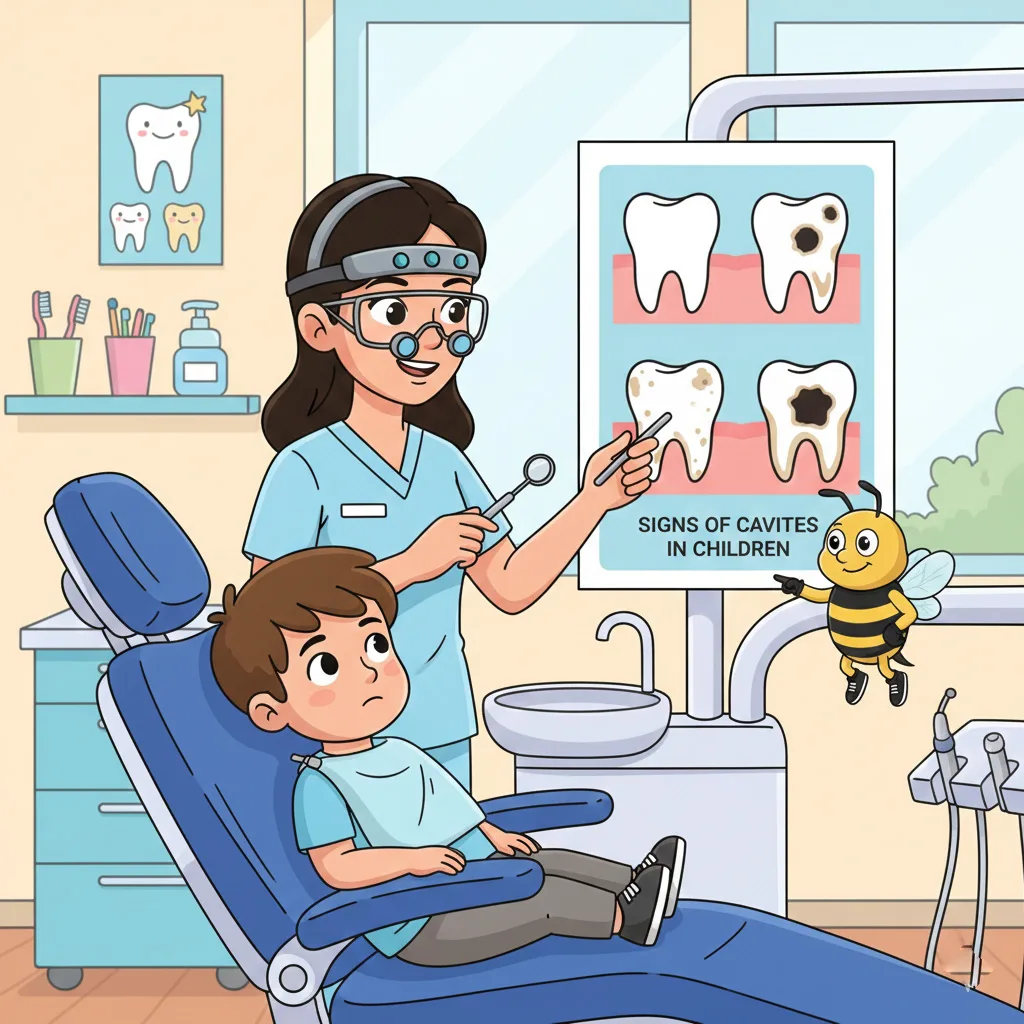
Signs Your Child May Have a Cavity
Visible Signs
- White, brown, or black spots on teeth
- Visible holes or pits
- Broken or chipped areas
Behavioral Signs
- Complaining of tooth pain
- Sensitivity to hot, cold, or sweet
- Avoiding chewing on one side
- Crying during eating
Important Note
Early cavities often have no symptoms. Regular dental exams catch decay before it causes pain.
"It's Just a Baby Tooth"—Why Treatment Matters
You might wonder: if baby teeth fall out anyway, why treat cavities?
Reasons to Treat Baby Teeth
Pain Prevention
Untreated cavities cause pain, affecting eating, sleeping, and quality of life.
Infection Prevention
Decay can lead to abscesses (infections) that may spread or require hospitalization.
Protect Permanent Teeth
Infection in baby teeth can damage developing permanent teeth underneath.
Space Maintenance
Baby teeth hold space for permanent teeth. Losing them early causes crowding.
Overall Health
Chronic dental pain affects nutrition, growth, school performance, and behavior.
Building Good Habits
Early dental experiences shape lifelong attitudes toward oral health.
Treatment Options
For Early Decay
Fluoride Treatment
Very early decay may be reversible with professional fluoride application and improved home care.
Monitoring
Some small areas may be monitored if not progressing.
For Standard Cavities
Tooth-Colored Fillings
- Decay removed, composite filling placed
- Natural appearance
- Single visit
- We make the experience as comfortable as possible
For Large Cavities
Stainless Steel Crowns
- Cover and protect severely decayed baby molars
- Durable until tooth naturally falls out
- Single visit
White Crowns
- Tooth-colored option for front teeth
- Better aesthetics
For Extensive Decay
Pulpotomy ("Baby Root Canal")
- Removes infected portion of pulp
- Saves the tooth until it's ready to fall out naturally
- Crowned afterward
Extraction
- Last resort when tooth can't be saved
- Space maintainer may be needed
Making Treatment Comfortable
We use:
- Child-friendly explanations
- Tell-show-do technique
- Distraction techniques
- Gentle, patient approach
Preventing Cavities in Children
Daily Care
Brushing
- Start when first tooth appears
- Use fluoride toothpaste (rice-sized smear under 3, pea-sized 3-6)
- Parents should brush or supervise until age 7-8
- Brush twice daily, especially before bed
Flossing
- Start when teeth touch each other
- Parents do the flossing until child is dexterous enough
Diet
- Limit juice (dilute it, use cups not bottles)
- No bottles in bed (except water)
- Limit sticky, sugary snacks
- Encourage water as primary beverage
- If sweets, have with meals rather than between
Professional Care
- First dental visit by age 1
- Regular exams every 6 months
- Fluoride treatments
- Dental sealants on permanent molars
Learn more about Dental Sealants →
Don't Share Bacteria
- Avoid sharing utensils with your child
- Don't "clean" pacifiers in your mouth
- Take care of your own oral health (reduces bacteria you can transfer)
Gentle Cavity Treatment for Kids
Kid-Friendly Dental Care
If your child has a cavity—or for prevention and early detection—we're here to help.
- Gentle, patient approach with children
- Child-friendly explanations
- Comfortable, welcoming environment
- Focus on prevention
Frequently Asked Questions
By age 1 or when the first tooth appears, whichever comes first.
Yes. They cause pain, can lead to infection, and affect permanent teeth. All cavities in children should be treated.
We specialize in anxious children. Our gentle approach, child-friendly explanations, and distraction techniques help children feel comfortable.
Infection from baby teeth can damage developing permanent teeth. Also, cavity-causing bacteria established in childhood persist and affect permanent teeth.
Schedule Your Child's Dental Visit
If your child has a cavity—or for prevention and early detection—we're here to help with gentle, kid-friendly care.
At BluSky we BEElieve in bringing life to your smile. 🐝