How Dental Sleep Apnea Therapy Works
Custom oral appliances for better sleep

If you have mild to moderate obstructive sleep apnea—or can't tolerate CPAP—a custom oral appliance may be your path to better sleep. Here's how dental sleep therapy works and what to expect.
The Problem: Airway Obstruction
During sleep, the muscles in your throat relax. For people with obstructive sleep apnea (OSA):
- Soft tissues collapse – Tongue and throat tissues fall back
- Airway narrows or closes – Blocks air from reaching lungs
- Breathing stops – For seconds to over a minute
- Brain wakes you – Enough to restore breathing (often unconsciously)
- Repeat – Dozens to hundreds of times per night
This cycle prevents restful sleep and strains your heart and body.
The Solution: Oral Appliance Therapy
How the Appliance Works
A custom oral appliance repositions your jaw and tongue to keep your airway open:
Mandibular Advancement Device (MAD)
- Moves lower jaw (mandible) slightly forward
- Brings tongue forward with it
- Opens space behind the tongue
- Prevents soft tissue collapse
Think of it like this: your jaw and tongue are gently positioned to keep your "breathing tube" open all night.
The Design
Modern oral appliances are:
- Custom-fitted to your teeth
- Adjustable for optimal positioning
- Comfortable for all-night wear
- Compact compared to CPAP
- Silent operation
- Portable for travel
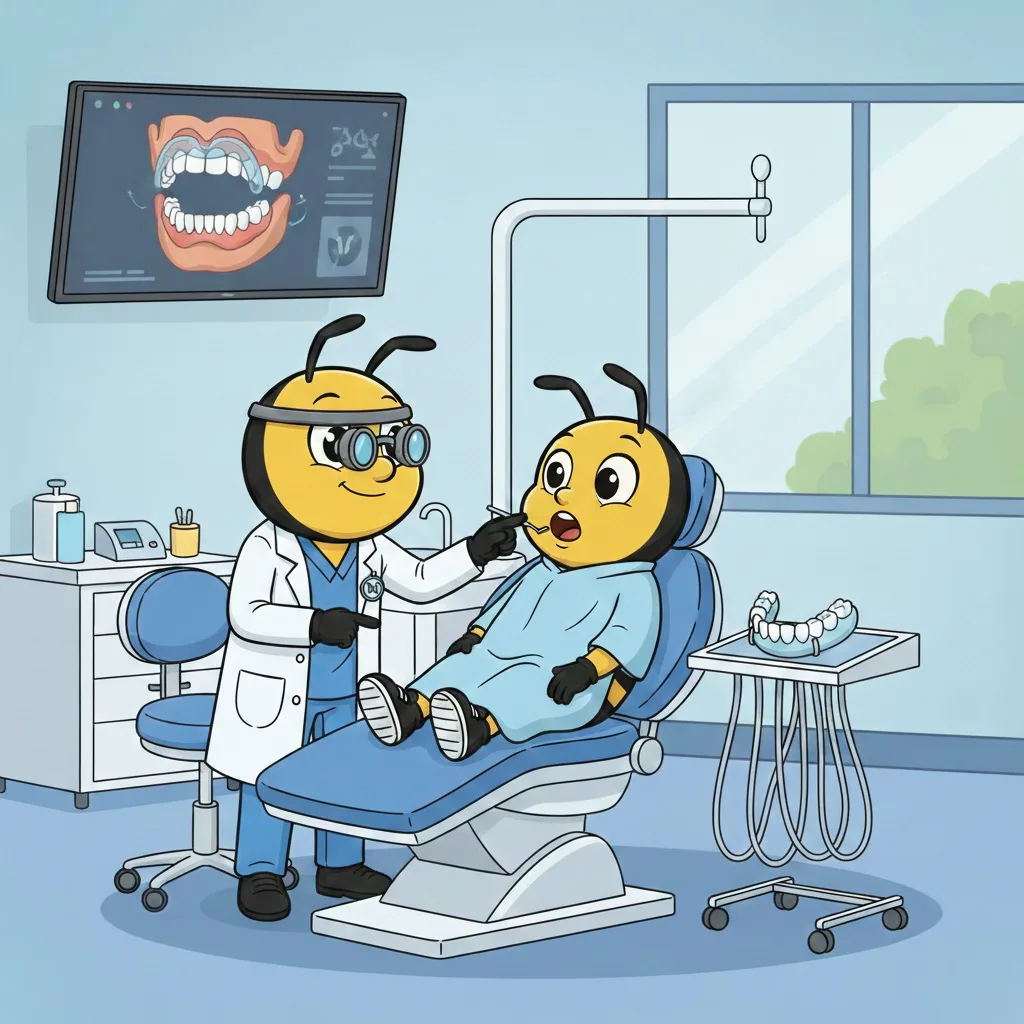
The Process at BluSky Dental
Step 1: Evaluation
We assess:
- Your sleep apnea diagnosis (from sleep study)
- Severity (AHI score)
- Jaw and bite condition
- Teeth health and stability
- Medical history
Note: A sleep study diagnosis is required before oral appliance therapy.
Step 2: Impressions & Fabrication
- Digital or physical impressions of your teeth
- Bite registration in optimal jaw position
- Appliance custom-fabricated in dental lab
- Typically ready in 2-3 weeks
Step 3: Fitting & Adjustment
- Appliance fitted and adjusted
- Proper jaw position determined
- Instructions for wear and care
- Initial comfort adjustments
Step 4: Calibration
Over several weeks:
- Gradual advancement of jaw position
- Finding optimal setting for your anatomy
- Balancing effectiveness with comfort
Step 5: Follow-Up Sleep Study
- Verify appliance is working
- Confirm reduction in apnea events
- Adjust if needed based on results
Step 6: Ongoing Care
- Regular checkups (every 6-12 months)
- Monitor for any bite changes
- Appliance maintenance and replacement when needed
Who Benefits Most
Ideal Candidates
- Mild to moderate OSA (AHI 5-30)
- CPAP intolerant – Can't use or won't use CPAP
- Prefer non-machine option
- Travel frequently – Easier than CPAP
- Mild snoring without apnea
May Not Be Suitable For
- Severe OSA – May need CPAP or combination therapy
- Insufficient teeth – Need teeth to anchor appliance
- Severe TMJ problems – Jaw positioning may aggravate
- Central sleep apnea – Different condition than OSA
Effectiveness
What Research Shows
- Success rate: 70-80% for mild-moderate OSA
- AHI reduction: Average 50% or more
- Snoring reduction: Significant in most patients
- Patient satisfaction: High due to comfort and convenience
Compared to CPAP
| Factor | Oral Appliance | CPAP |
|---|---|---|
| Effectiveness (mild-moderate) | Very good | Excellent |
| Effectiveness (severe) | Less effective | Gold standard |
| Comfort | Generally better | Varies |
| Compliance | Higher | Lower (many quit) |
| Portability | Excellent | Bulky |
| Noise | Silent | Some noise |
| Power needed | No | Yes |
The best treatment is one you'll actually use consistently.
What to Expect
First Few Nights
- Adjustment period (1-2 weeks typical)
- Increased saliva or dry mouth
- Mild jaw stiffness in morning
- Temporary bite changes upon waking
After Adjustment Period
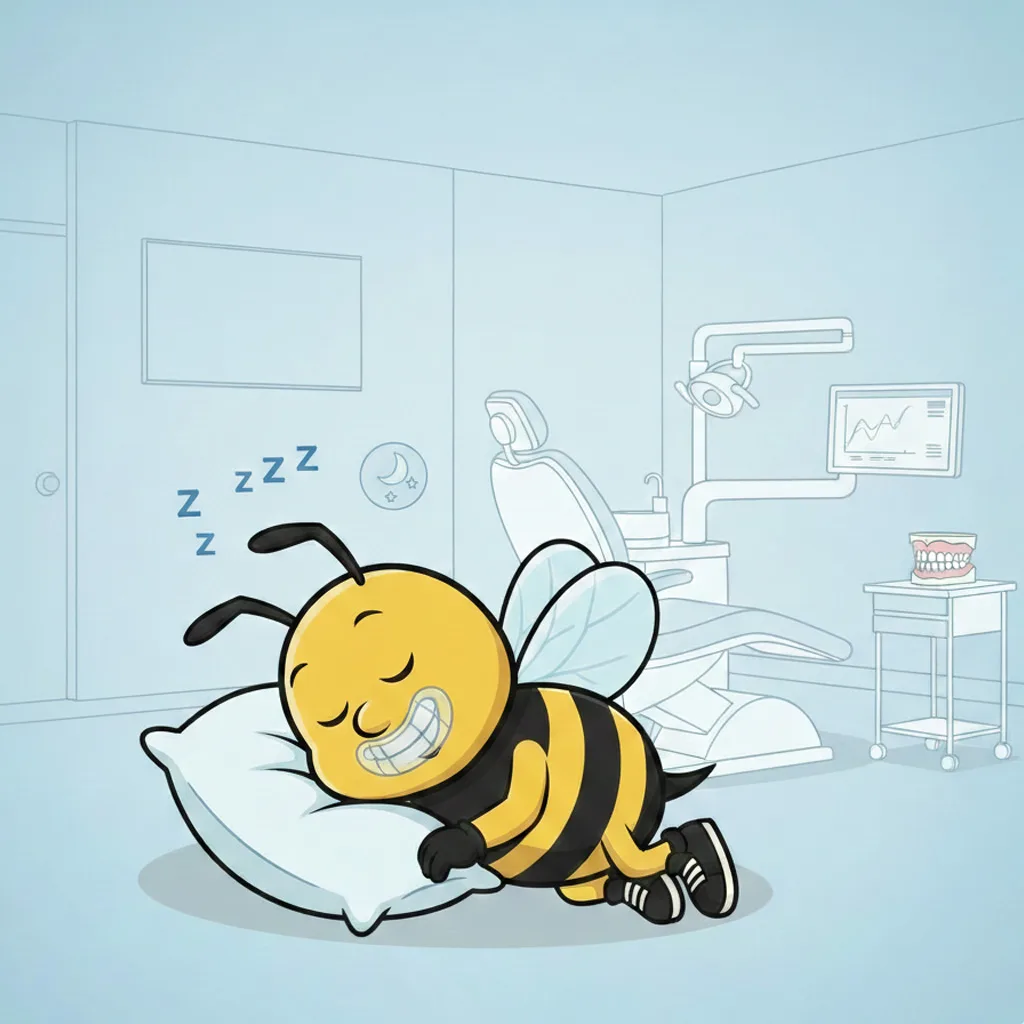
- Comfortable all-night wear
- Reduced snoring
- Better sleep quality
- Morning stiffness resolves quickly
- Feel more rested
Long-Term
- Regular use every night
- Periodic adjustments as needed
- Checkups to monitor effectiveness
- Replacement every 3-5 years typically
Sleep Better Starting Now
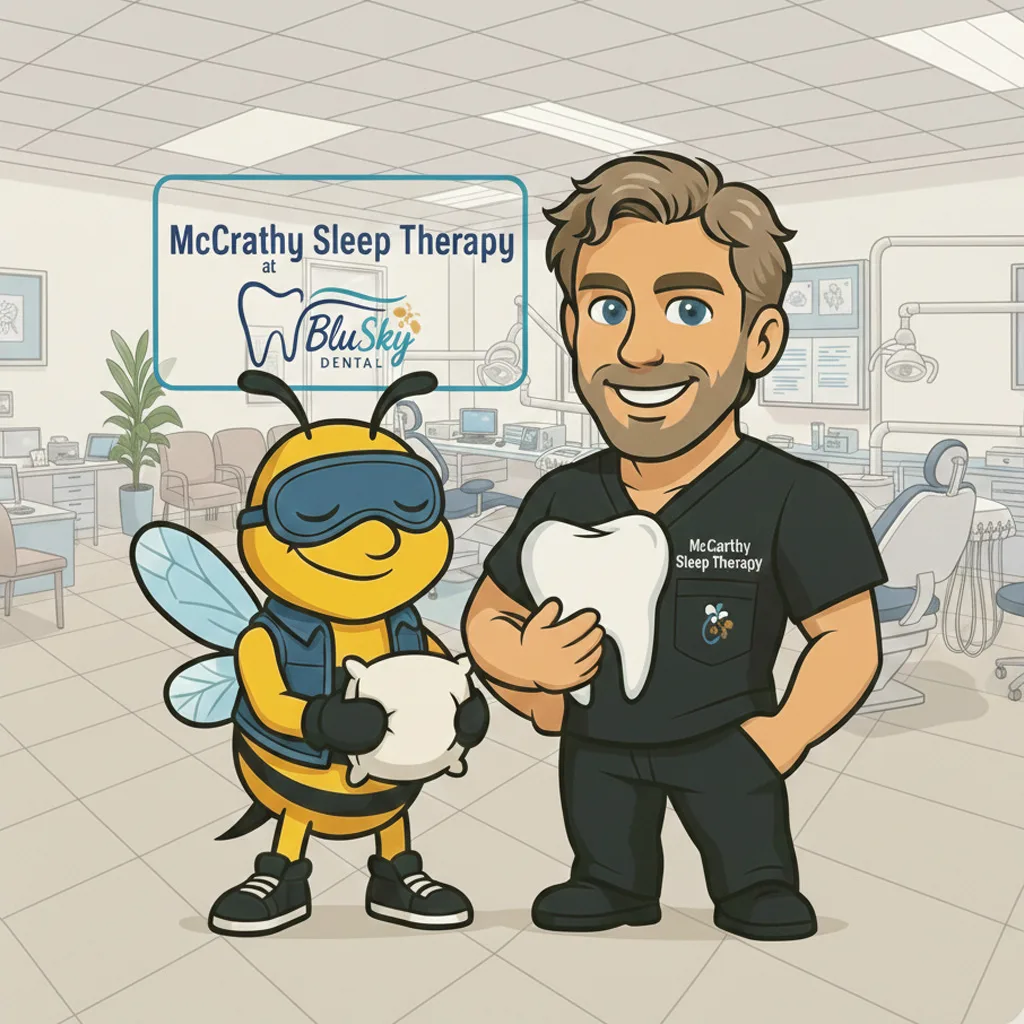
McCarthy Location Specializes in Sleep Dentistry
Our McCarthy location has specialized expertise in dental sleep therapy. Schedule a consultation to learn if oral appliance therapy is right for you.
Frequently Asked Questions
Many medical insurance plans cover oral appliance therapy for diagnosed sleep apnea. Dental insurance may also provide coverage. We help verify benefits.
After an adjustment period of 1-2 weeks, most patients find it comfortable. It's significantly less intrusive than CPAP.
The appliance fits snugly but allows limited opening. Most people remove it for drinking. You shouldn't need to talk while sleeping!
Oral appliances actually protect teeth from grinding while treating sleep apnea—addressing two issues at once.
Sleep Better Starting Now
Interested in oral appliance therapy for sleep apnea? Schedule a consultation at our McCarthy location, which specializes in sleep dentistry.
Call: (613) 526-9876
Address: 200 – 5326 McCarthy Road, Ottawa, ON K1A 0A1
At BluSky we BEElieve in bringing life to your smile. 🐝