Pregnancy Dental Care Ottawa – Safe Prenatal Dentistry at BluSky Dental Holland Cross
Gentle, evidence-based dental care for expectant mothers

Prenatal Dental Care in Westboro
Congratulations on your pregnancy! As you prepare for your new arrival, don't overlook an essential part of prenatal care: your oral health. At BluSky Dental Holland Cross in Westboro, we provide safe, gentle dental care designed specifically for expectant mothers.
Pregnancy brings significant changes to your body—including your mouth. Hormonal shifts can affect your gums, and morning sickness can impact your enamel. Our experienced Ottawa dental team understands these changes and provides evidence-based care to keep both you and your baby healthy throughout your pregnancy journey.
Serving Westboro, Hintonburg, Wellington West, Little Italy, and Downtown Ottawa expectant mothers.

Why Dental Care Matters During Pregnancy
The Connection Between Oral Health and Pregnancy
Your oral health directly affects your pregnancy and your baby. Research has established important connections:
Preterm Birth and Low Birth Weight: Studies show that severe gum disease (periodontitis) is associated with increased risk of preterm birth and low birth weight babies. The inflammation and bacteria from gum infections can affect the uterus and developing baby.
Gestational Diabetes: Gum disease may make blood sugar harder to control, and uncontrolled diabetes increases gum disease risk—a cycle that proper dental care helps break.
Preeclampsia: Some research suggests links between gum disease and preeclampsia, a serious pregnancy complication.
Cavity-Causing Bacteria Transfer: After birth, mothers can transfer cavity-causing bacteria to their babies through shared utensils, pacifier cleaning, and close contact. Reducing bacterial levels in your mouth before delivery protects your baby's developing teeth.
At our Holland Cross dental clinic, we take these connections seriously and provide proactive care to support healthy pregnancies.
Professional Organizations Recommend Dental Care
Major medical and dental organizations agree: dental care during pregnancy is essential, not optional.
The Canadian Dental Association, American Dental Association, American College of Obstetricians and Gynecologists, and American Academy of Pediatrics all recommend:
- Continuing regular dental checkups and cleanings throughout pregnancy
- Prompt treatment of dental problems
- Not delaying necessary care due to pregnancy concerns
The evidence is clear: dental care during pregnancy is safe and beneficial. Our Westboro patients can feel confident receiving the care they need.
Common Pregnancy Oral Health Changes
Pregnancy Gingivitis
What It Is: Pregnancy gingivitis affects 60-75% of pregnant women, typically appearing in the second trimester. Hormonal changes—particularly elevated progesterone—increase blood flow to gums and alter how gum tissue responds to plaque bacteria.
Symptoms:
- Red, swollen, puffy gums
- Gums that bleed easily when brushing or flossing
- Tender or sensitive gums
- Gums that appear shiny or inflamed
Why It Matters: Left untreated, pregnancy gingivitis can progress to periodontitis (serious gum disease), which is linked to adverse pregnancy outcomes. However, with proper care, pregnancy gingivitis typically resolves after delivery.
Treatment: Professional cleanings, improved home care, and sometimes more frequent dental visits (every 3-4 months during pregnancy) effectively manage pregnancy gingivitis.
Pregnancy Tumors (Pyogenic Granulomas)
Despite the alarming name, pregnancy tumors are not cancer. These are benign growths that appear on gums, typically in the second trimester. They're red, raw-looking nodules that bleed easily.
Causes: Excessive response to local irritation (plaque, tartar) combined with hormonal changes.
Treatment: Most pregnancy tumors shrink or disappear after delivery. If a growth is bothersome or bleeds excessively, it can be safely removed during pregnancy.
Morning Sickness Effects
Frequent vomiting exposes teeth to strong stomach acid, which can erode tooth enamel. Our Hintonburg and Wellington West pregnant patients often ask how to protect their teeth during morning sickness.
Protection Tips:
- Rinse your mouth with water or baking soda solution (1 teaspoon in 1 cup water) after vomiting to neutralize acid
- Wait 30 minutes before brushing—brushing immediately can spread acid and damage softened enamel
- Use fluoride mouthwash to help remineralize enamel
- If your toothpaste triggers nausea, try a bland flavor or brush with just water temporarily
Increased Cavity Risk
Pregnancy can increase cavity risk due to dietary changes and increased snacking, morning sickness acid exposure, decreased attention to oral hygiene when feeling unwell, and dry mouth from certain pregnancy symptoms.
Safe Dental Care During Pregnancy
What's Safe During Pregnancy
Routine dental care is safe and recommended throughout pregnancy:
- Professional cleanings
- Dental examinations
- Cavity treatment (fillings)
- Crown placement
- Root canal treatment
- Tooth extractions
- Emergency dental care
Medications considered safe:
- Local anesthesia (lidocaine with epinephrine)
- Acetaminophen (Tylenol) for pain
- Certain antibiotics (penicillin, amoxicillin, clindamycin)
Our Holland Cross team follows evidence-based guidelines to ensure safe, effective care for you and your baby.
Dental X-Rays During Pregnancy
Dental X-rays are safe during pregnancy when needed. Modern digital X-rays emit extremely low radiation—approximately 0.005 millisieverts for a single dental X-ray. For comparison, natural background radiation is ~8 millisieverts per year. We use lead aprons with thyroid collars, providing additional protection for you and your baby.
The American College of Obstetricians and Gynecologists confirms that dental X-rays are safe during pregnancy and should not be avoided when needed for diagnosis.
Timing of Dental Treatment
First Trimester (Weeks 1-13)
- Routine care is safe but may be uncomfortable due to nausea
- Emergency treatment should not be delayed
- Elective procedures may be postponed until second trimester for comfort
Second Trimester (Weeks 14-27)
- Ideal time for dental treatment
- Morning sickness typically subsides
- You're still comfortable lying back in the dental chair
- Baby's major organ development is complete
Third Trimester (Weeks 28-40)
- Routine care continues to be safe
- Lying on your back may become uncomfortable; we use positioning adjustments
- Shorter appointments may be more comfortable
- Emergency treatment should not be delayed
Anesthesia and Medications
Local Anesthesia: Lidocaine with epinephrine is the most-studied medication in pregnant women and is considered safe. It works locally without significant systemic absorption.
Sedation: We typically avoid deep sedation and general anesthesia during pregnancy unless absolutely necessary for emergencies.
Antibiotics: If infection treatment requires antibiotics, we prescribe pregnancy-safe options like penicillin, amoxicillin, or clindamycin.
Pain Relief: Acetaminophen (Tylenol) is considered safe during pregnancy. We avoid NSAIDs (ibuprofen, aspirin) especially in the third trimester.
Our Pregnancy Dental Care Protocol
Your Prenatal Dental Visit
When you visit BluSky Dental Holland Cross during pregnancy, we:
- Review Your Health: We discuss your pregnancy stage, any complications, medications, and concerns from your OB-GYN or midwife.
- Adjust for Comfort: We modify chair positioning to avoid prolonged time on your back, take frequent breaks, and accommodate bathroom needs.
- Examine Thoroughly: We check for pregnancy gingivitis, cavities, erosion from morning sickness, and any concerning growths.
- Clean Gently: Professional cleaning removes plaque and tartar that contribute to gum inflammation.
- Address Problems: If treatment is needed, we discuss timing, safety, and options.
- Provide Home Care Guidance: We offer tips for managing pregnancy-related oral health challenges.
Working with Your Healthcare Team
We're happy to communicate with your OB-GYN, midwife, or other healthcare providers about your dental care. For patients with high-risk pregnancies, medical clearance may be requested for certain procedures.
Protecting Your Baby's Oral Health
Reducing Bacterial Transfer
Your oral bacteria can be transmitted to your baby after birth. By maintaining good oral health during pregnancy, you reduce the bacterial load in your mouth and decrease the chance of passing cavity-causing bacteria to your child.
Tips:
- Address cavities and gum disease before delivery
- Don't share utensils with your baby
- Don't "clean" pacifiers by putting them in your mouth
- Maintain excellent oral hygiene
Baby's Teeth Develop in the Womb
Your baby's primary (baby) teeth begin forming around week 6 of pregnancy. Proper nutrition—especially calcium, vitamin D, and phosphorus—supports healthy tooth development.
Setting Up Early Dental Care
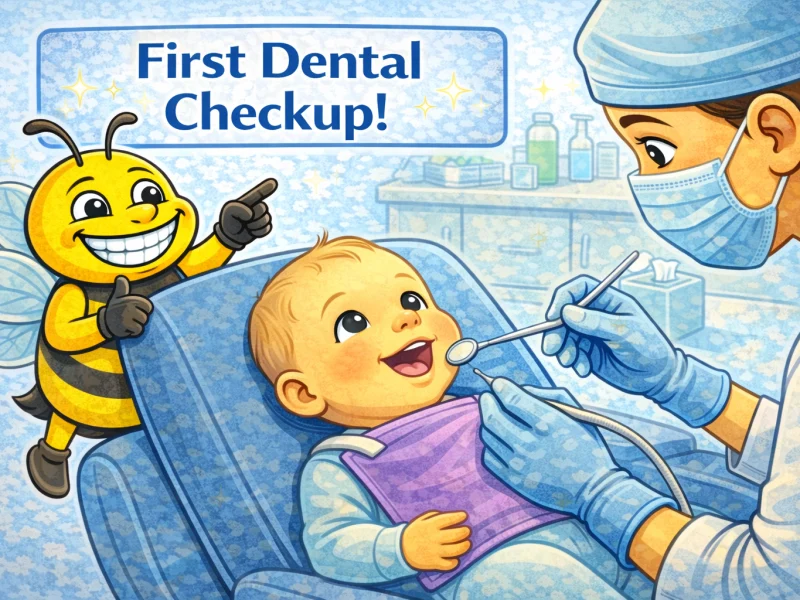
We recommend your baby's first dental visit by age 1 or within 6 months of the first tooth appearing. Early visits establish a dental home and help prevent early childhood cavities.
Postpartum Dental Care
After Delivery
After your baby arrives, continue regular dental care. If you postponed any treatment during pregnancy, now is the time to address it.
Breastfeeding: Dental treatment—including local anesthesia, X-rays, and most medications—is safe while breastfeeding. The small amounts that might enter breast milk are not considered harmful.
Postpartum Gingivitis: Pregnancy gingivitis typically resolves within a few months after delivery. If gum problems persist, schedule a visit for evaluation.
Managing New Parent Life
We understand the challenges of caring for a newborn. Our Westboro office offers scheduling flexibility and accommodates babies if you need to bring your little one to appointments.
Why Choose BluSky Dental for Pregnancy Care
Evidence-Based Care
We follow the latest guidelines from dental and obstetric organizations to ensure safe, effective care for you and your baby.
Gentle, Understanding Approach
We understand the unique concerns and discomforts of pregnancy. Our team provides patient, compassionate care tailored to your needs at each stage.
Coordination with Healthcare Providers
We communicate with your OB-GYN, midwife, or other healthcare providers as needed to ensure coordinated care.
Family-Friendly Practice
As a family dental practice, we're prepared to care for your growing family—from your prenatal visits through your baby's first dental checkup.
Convenient Westboro Location
Our Holland Cross location is easily accessible for expectant mothers throughout Ottawa, including Hintonburg, Wellington West, and Downtown.
Frequently Asked Questions
No! Dental infections and severe toothaches should be treated promptly regardless of pregnancy stage. Untreated infections can spread, cause more severe problems, and potentially affect your pregnancy. Treatment is safer than leaving an infection untreated. Call us right away at (613) 728-1511 for same-day emergency care.
Pregnancy shouldn't damage well-maintained fillings, crowns, or other dental work. However, existing issues may worsen due to pregnancy-related changes like increased acidity from morning sickness or reduced attention to oral care. Let us know about any concerns at your prenatal visit.
We recommend postponing elective cosmetic procedures like teeth whitening until after pregnancy and breastfeeding. While there's no evidence of harm, whitening hasn't been specifically studied in pregnant women, so a cautious approach is prudent for non-essential treatment.
Bleeding gums during pregnancy are common due to pregnancy gingivitis, but "normal" doesn't mean you should ignore it. Schedule a dental visit for professional cleaning and personalized advice on managing gum inflammation. Left untreated, pregnancy gingivitis can progress to more serious problems.
There's no evidence that routine dental care causes miscarriage. Some studies suggest that severe, untreated gum disease may be associated with pregnancy complications, which is why treating dental problems is recommended rather than avoiding the dentist.
Schedule Your Prenatal Dental Visit
Don't put off dental care during your pregnancy. Contact BluSky Dental Holland Cross today to schedule your prenatal dental visit. Our gentle, experienced team will help you maintain optimal oral health for yourself and your developing baby.
Call: (613) 728-1511
Address: 20 – 1620 Scott Street, Ottawa, ON K1Y 4S7
Email: hollandcrossreception@blusky.dental
Hours: Monday – Friday: 8:00 AM – 5:00 PM
At BluSky we BEElieve in bringing life to your smile. 🐝