Dental Sealants: Powerful Cavity Prevention
Quick, painless protection against tooth decay

What Are Dental Sealants?
Dental sealants are one of the most effective ways to prevent cavities—especially for children. This quick, painless procedure creates a protective shield over teeth, keeping decay-causing bacteria out.
Dental sealants are thin, plastic coatings painted onto the chewing surfaces of back teeth (molars and premolars). They:
- Fill in the grooves and pits of teeth
- Create a smooth, easy-to-clean surface
- Block bacteria and food particles
- Prevent cavity formation
Think of sealants as a raincoat for your teeth—they keep the bad stuff out.
Why Back Teeth Need Extra Protection
The Problem with Molars
Back teeth have deep grooves and pits (fissures) that:
- Trap food particles
- Harbor bacteria
- Are hard to clean with brushing
- Are where most cavities in children occur
Even excellent brushers can't always reach the bottom of these grooves. Toothbrush bristles are simply too large.
The Solution
Sealants flow into these grooves and harden, creating a smooth surface that's easy to brush clean, resistant to bacterial invasion, and protected from decay.
Who Should Get Sealants?
Children and Teens
The ideal time for sealants is when permanent molars first come in:
- First molars: Around age 6
- Second molars: Around age 12
- Premolars: May also benefit
Sealing teeth as soon as they emerge provides protection during the cavity-prone years.
Adults
Adults without decay or fillings in their molars can benefit from sealants too. If you have deep grooves and are cavity-prone, ask about sealants.
Baby Teeth
Sometimes sealants are recommended for baby teeth (primary molars) if the child is particularly cavity-prone. Protecting baby teeth helps preserve space for permanent teeth.
The Sealant Procedure
Quick and Painless
Applying sealants takes just minutes per tooth and requires:
- No drilling
- No needles
- No pain
Step by Step
- Clean the tooth – Surface is thoroughly cleaned
- Dry the tooth – Cotton or air keeps it dry
- Prep the surface – Mild solution helps sealant bond
- Rinse and dry – Tooth is prepared for sealant
- Apply sealant – Liquid sealant painted into grooves
- Cure (harden) – Special light hardens sealant in seconds
- Check bite – Ensure comfortable bite
Total time: About 2-3 minutes per tooth.
Completely Comfortable
Children typically find the procedure easy and even interesting: no shots, no uncomfortable feelings, fun light to watch, and quick and done!
How Effective Are Sealants?
The Research
Sealants are highly effective at preventing cavities:
- Reduce cavities by 80% in the first 2 years
- Continue protection for up to 10 years
- Most cavity prevention occurs in first few years when teeth are most vulnerable
The Numbers
According to the CDC:
- Children without sealants have 3x more cavities in molars
- Only about 40% of children ages 6-11 have sealants
- This represents a significant missed opportunity for prevention
Sealant Longevity
How Long Do They Last?
Sealants can protect teeth for up to 10 years, but they may wear down over time, some may chip or fall off, and regular checkups ensure they're intact.
Reapplication
If a sealant wears or chips, we can reapply easily with no damage to the underlying tooth—just a quick touch-up procedure.
Safety
Are Sealants Safe?
Yes. Sealants have been used for over 50 years with an excellent safety record.
BPA Concerns
Some parents ask about BPA in sealants. Here's the truth:
- Sealants may contain trace amounts of BPA or related compounds
- Exposure is extremely minimal (less than you'd get from breathing air for a day)
- Benefits of cavity prevention far outweigh minimal exposure
- BPA-free sealant options are available if preferred
We believe the cavity-prevention benefits of sealants significantly outweigh any concerns. Cavities require drilling, fillings, and potentially more extensive treatment—sealants prevent all of that.
Sealants vs. Other Options
Sealants vs. Fluoride
Both help prevent cavities, but differently:
- Fluoride: Strengthens enamel everywhere
- Sealants: Physically blocks grooves in back teeth
They work together—not as alternatives.
Sealants vs. Fillings
- Sealants: Prevent cavities before they start
- Fillings: Repair damage after cavities form
Prevention is always better than treatment.
Cost and Insurance
Affordable Prevention
Sealants are relatively inexpensive—typically $30-60 per tooth.
Insurance Coverage
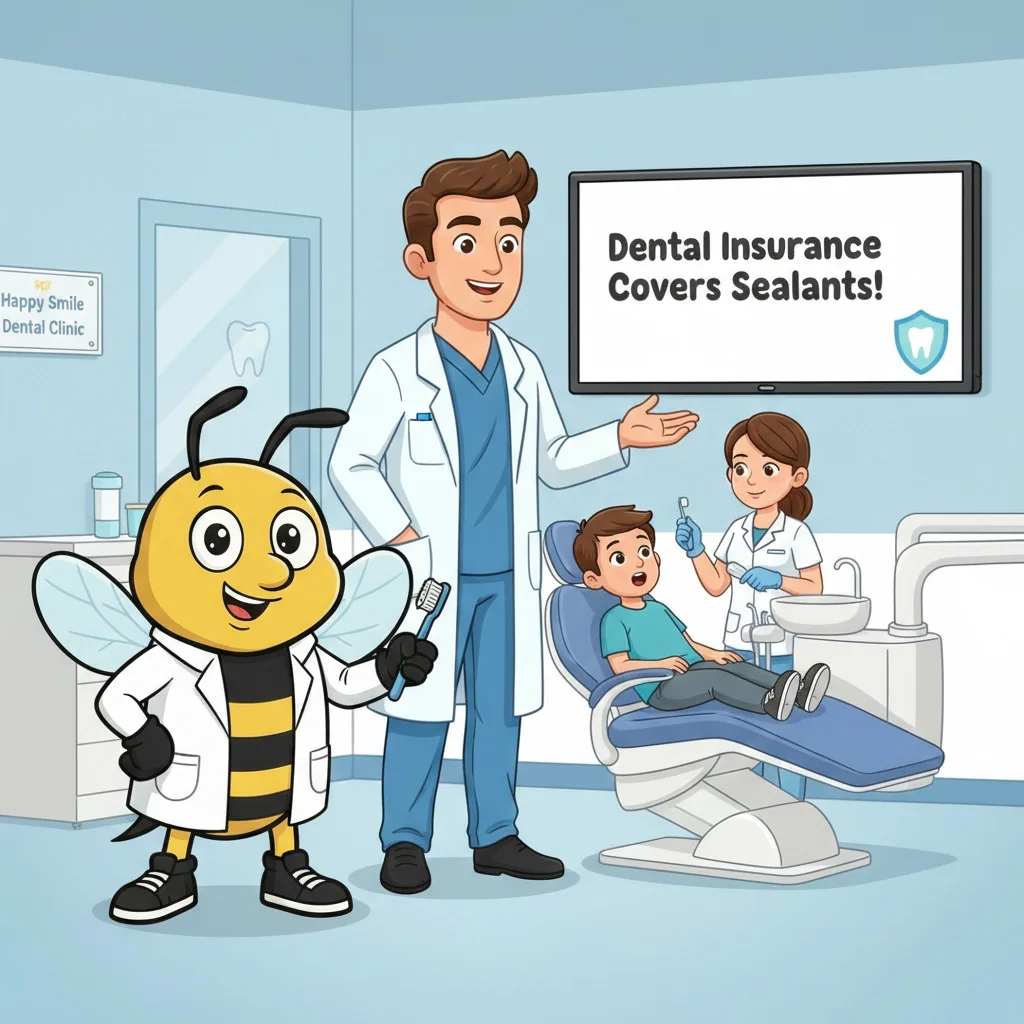
Most dental insurance plans cover sealants for children, recognizing their preventive value. Coverage details vary by plan.
The Value Calculation
One sealant costs less than a filling. Sealing a tooth that would have developed a cavity saves:
- Money (fillings cost more)
- Time (treatment visits)
- Discomfort (drilling isn't fun)
- Tooth structure (kept intact)
Caring for Sealed Teeth
No Special Care Needed
Sealed teeth should be brushed normally twice daily, flossed daily, and checked at regular dental visits.
What to Avoid
- Very sticky or hard foods (can dislodge sealants)
- Chewing ice
- Using teeth as tools
Regular Checkups
We check sealant condition at every visit and reapply if needed.
Protect Those Teeth
Why Choose BluSky for Dental Sealants?
Our team has extensive experience applying sealants for children and adults. We make the process comfortable and even fun for kids, ensuring lasting protection against cavities.
- Experienced pediatric dental team
- Kid-friendly environment
- Quick, painless application
- Long-lasting protection
- Insurance billing assistance
Frequently Asked Questions
Typically around age 6 when first permanent molars appear, and again around age 12 for second molars. The sooner after the tooth erupts, the better.
Not at all. No drilling or needles—just painting on the sealant and hardening with a light.
No. Sealants are preventive only. Cavities must be treated with fillings. However, teeth with very early decay (before cavities form) can sometimes be sealed.
Sealants are very thin. Any initial awareness disappears quickly.
Yes! Adults with cavity-prone teeth and intact molars can benefit from sealants.
Schedule Your Sealant Appointment
Sealants are one of the best investments in your child's dental health. Quick, painless, and effective.
At BluSky we BEElieve in bringing life to your smile. 🐝