
Preparing Your Child for Their First Dental Visit
Setting the stage for a lifetime of healthy smiles

A Milestone Worth Celebrating
Your child's first dental visit is a milestone—and with a little preparation, it can be a positive experience that sets the stage for a lifetime of good oral health. Here's how to make that first appointment a success.
When Should the First Visit Be?
The Recommendation
By age 1 or within 6 months of the first tooth appearing—whichever comes first.
This might seem early, but there are good reasons:
- Establish a "dental home" early
- Check for early problems
- Get guidance on infant oral care
- Build familiarity before issues arise
It's Never Too Late
If your child is older and hasn't been to the dentist yet, that's okay! Schedule now—there's no judgment, only a warm welcome.
Before the Appointment
Talk About It Positively
Do:
- Use simple, positive language
- Explain that the dentist helps keep teeth healthy and strong
- Read children's books about visiting the dentist
- Play "dentist" at home (count each other's teeth)
- Mention that many other kids visit the dentist
Don't:
- Use scary words (pain, hurt, shot, drill)
- Share your own dental fears or negative experiences
- Make it seem like a big deal or something to worry about
- Bribe excessively (suggests something to fear)
- Threaten with the dentist as punishment
Practice at Home
Try these fun activities:
- Count your child's teeth together
- Let them practice opening wide
- Use a mirror to look at teeth
- Pretend to be the dentist checking their stuffed animals
Choose the Right Time
Schedule when your child is typically:
- Well-rested (not nap time)
- Not hungry
- In a good mood
- Not overstimulated
Morning appointments often work best for young children.
What to Expect at the First Visit
The "Happy Visit"
Many first visits are simply introductions:
- Meet the dental team
- Sit in the chair (maybe in parent's lap)
- Look around the room
- Maybe count teeth
- Get comfortable with the environment
For Toddlers (Age 1-2)
- Very short visit
- May sit in parent's lap
- Quick look at teeth and gums
- Discussion about oral care, diet, habits
- No scary instruments
For Preschoolers (Age 3-5)
- More thorough examination
- May sit in chair independently
- Teeth counted and checked
- Possibly gentle cleaning
- Introduction to dental tools
- Praise and encouragement
Common First-Visit Activities
- "Ride" in the dental chair
- Watch it go up and down
- See the "tooth counter" (explorer)
- Meet "Mr. Thirsty" (suction)
- Get a new toothbrush
- Choose a prize from the treasure chest
Tips for the Day Of
Before You Go
- Keep your own anxiety in check (kids sense it)
- Avoid making promises you can't keep
- Don't over-prepare (too much talk can create anxiety)
- Have a normal morning routine
What to Bring
- Comfort item (blanket, stuffed animal) if helpful
- List of questions for the dentist
- Completed paperwork (if provided in advance)
- Insurance information
During the Appointment
Do:
- Stay calm and positive
- Let the dental team lead
- Follow their guidance about staying or leaving the room
- Praise your child's cooperation
- Allow the dentist to do the talking
Don't:
- Make deals or bribes
- Force compliance
- Show disappointment if child cries
- Apologize excessively
- Use negative language
If Your Child Is Scared
Some Fear Is Normal
Many children are apprehensive about new experiences. This is developmentally appropriate.
How We Help
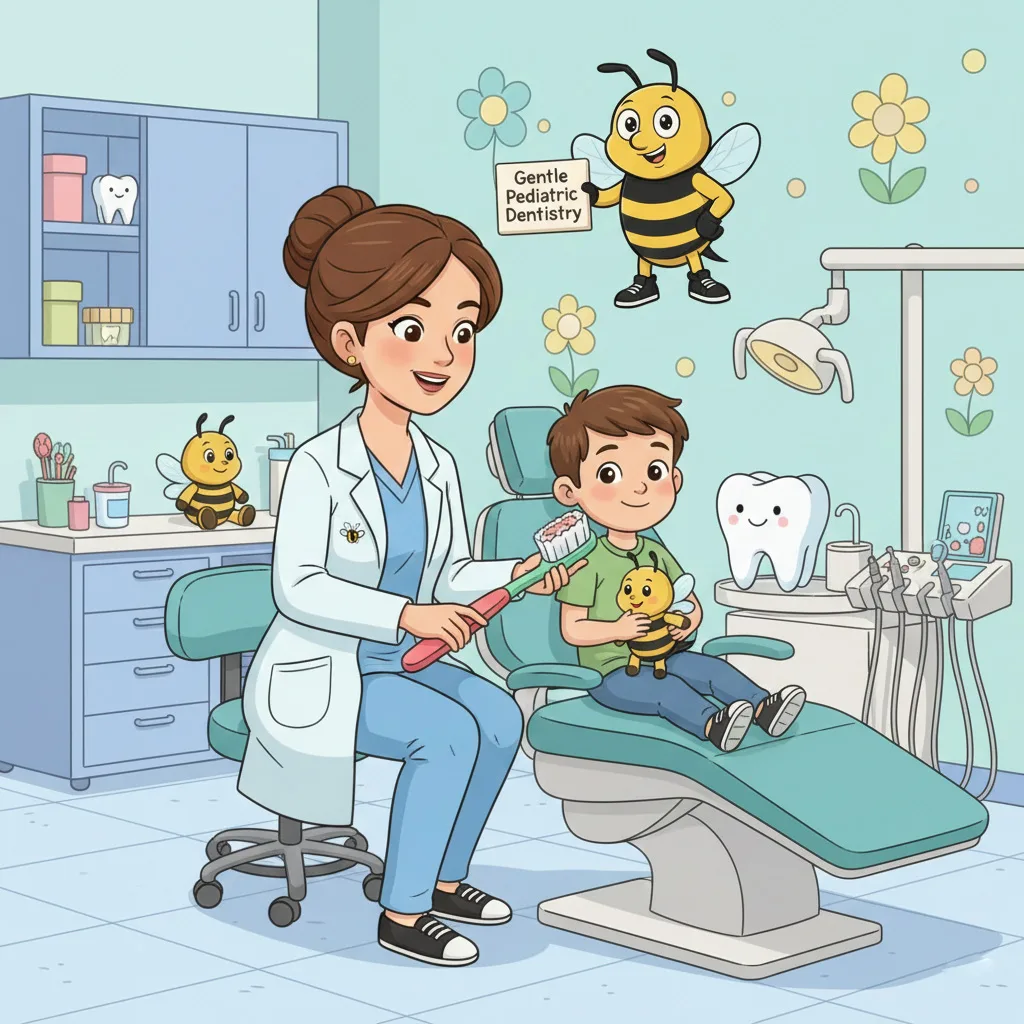
Our team is trained to work with anxious children:
- Going slowly
- Using child-friendly explanations
- Tell-Show-Do technique
- Distraction (ceiling TVs, toys)
- Lots of praise
- Taking breaks when needed
What Parents Can Do
- Stay calm (your anxiety transfers)
- Don't force anything
- Trust the process
- Celebrate small wins
- Know that it often gets easier with each visit
If It Doesn't Go Well
Some first visits involve crying, refusal, or incomplete exams. That's okay!
- We'll try again another day
- Each visit builds familiarity
- Progress often happens gradually
- Our goal is long-term comfort, not one perfect visit
After the Appointment
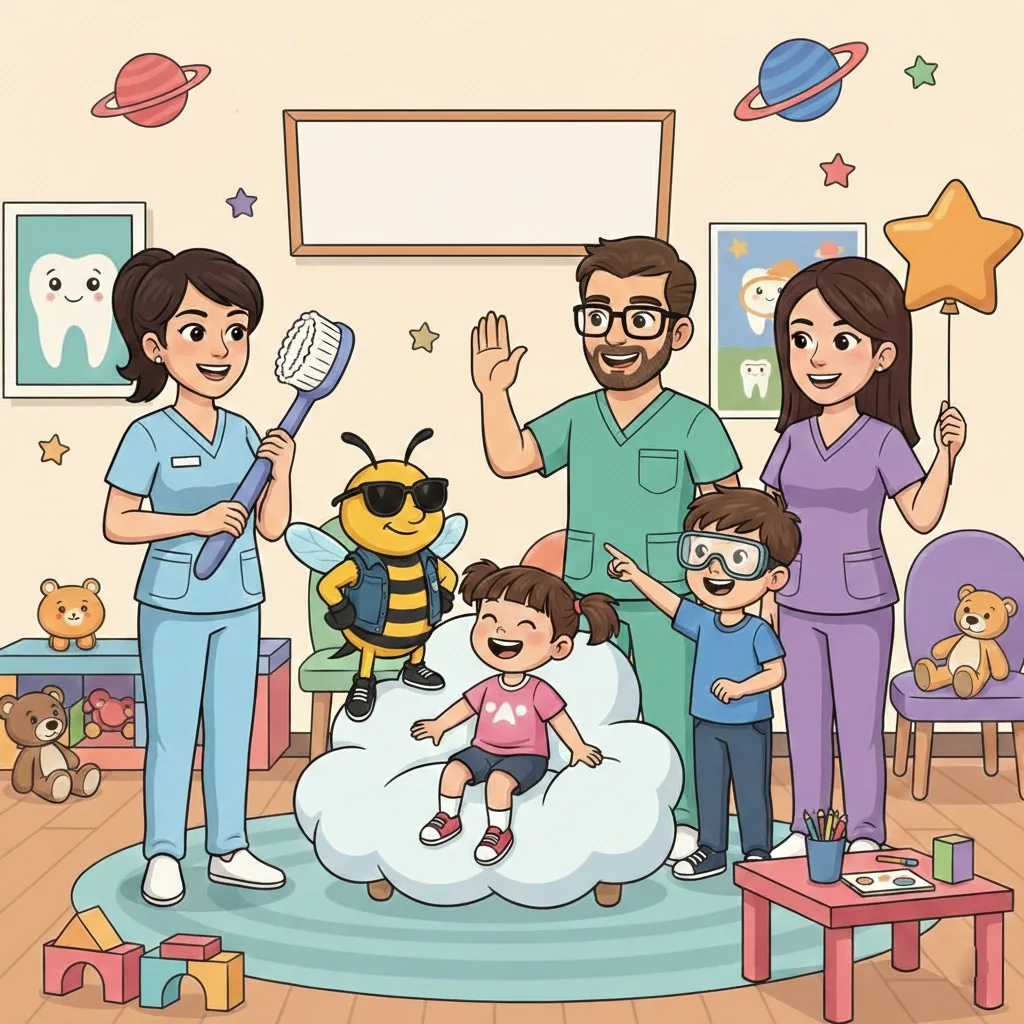
Celebrate!
- Praise their bravery ("You did great opening wide!")
- Focus on positives, not struggles
- Let them show off their new toothbrush
- Read a story about their experience
- Mark it on the calendar as an accomplishment
Keep the Momentum
- Maintain good brushing habits at home
- Schedule the next visit (usually in 6 months)
- Talk positively about "next time"
Common Questions from Parents
It depends on the child's age and comfort level. For very young children, staying is usually best. As children get older, sometimes they do better with parents in the waiting room. We'll guide you.
We have tricks! But if they're truly not ready, we won't force it. Building trust is more important than completing one exam.
Only when necessary and beneficial. Many first visits don't require X-rays. When needed, digital X-rays use minimal radiation.
We'll discuss treatment options appropriate for their age. Many children's cavities can be treated comfortably with modern techniques.
A Great Start for Little Smiles
We Love Kids!
Our team genuinely enjoys working with children. We're patient, gentle, and experienced at making dental visits fun.
Schedule Your Child's First Visit
We're ready to welcome your little one with a gentle, fun introduction to dental care.
At BluSky we BEElieve in bringing life to your smile. 🐝