Receding Gums: Treatment Options to Restore Your Gum Line
Are your teeth looking longer than they used to? Do you have exposed tooth roots causing sensitivity? Receding gums are more than a cosmetic concern—they increase your risk of tooth decay, sensitivity, and eventual tooth loss.

What Are Receding Gums?
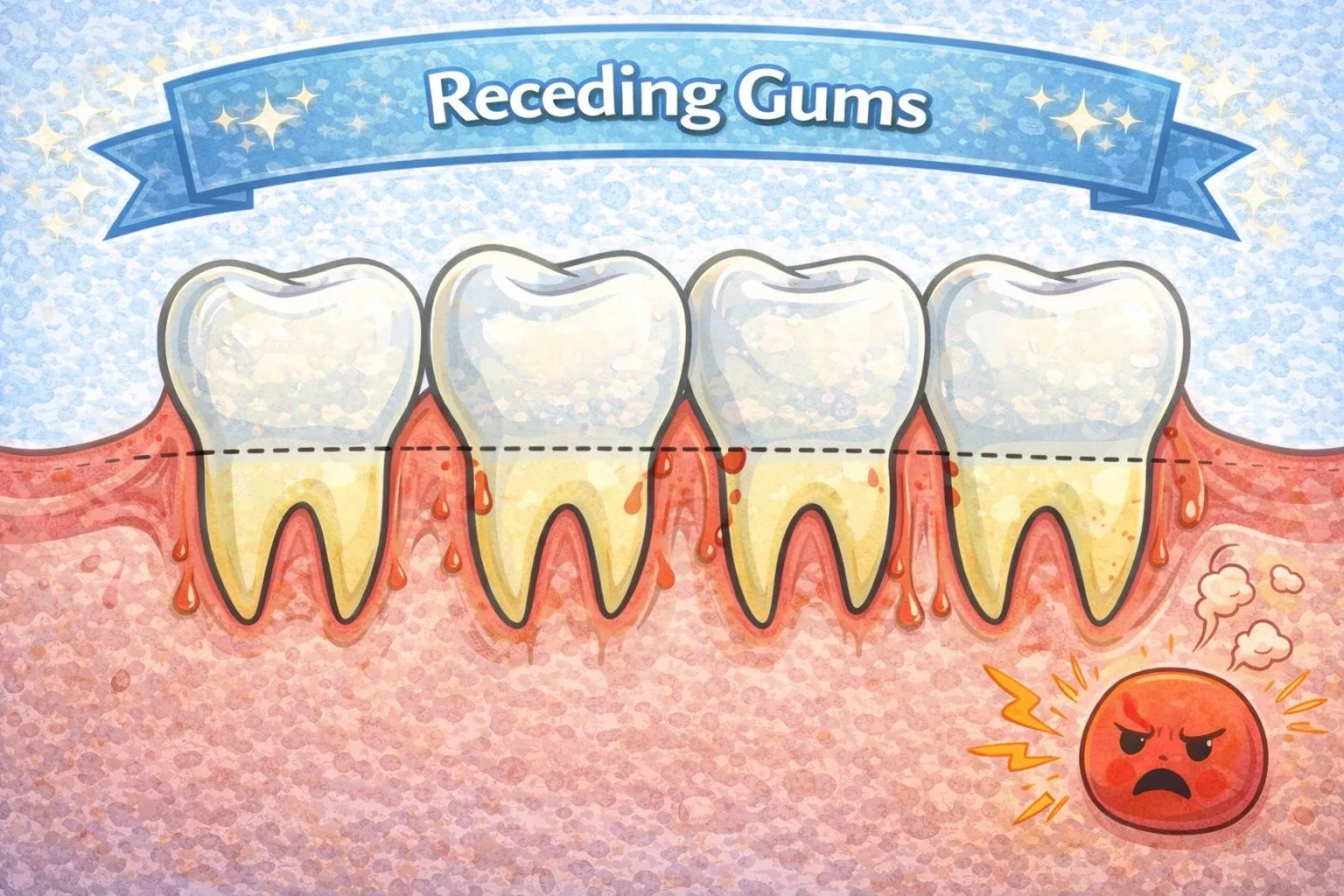
Receding gums (gum recession) occur when gum tissue pulls away from teeth, exposing more of the tooth or even the tooth root. This creates pockets where bacteria can accumulate, increasing your risk of decay and gum disease. If left untreated, recession can lead to tooth loss.
At BluSky Dental Holland Cross, we provide comprehensive treatment including gum grafts to restore your gum health.
Signs of Receding Gums
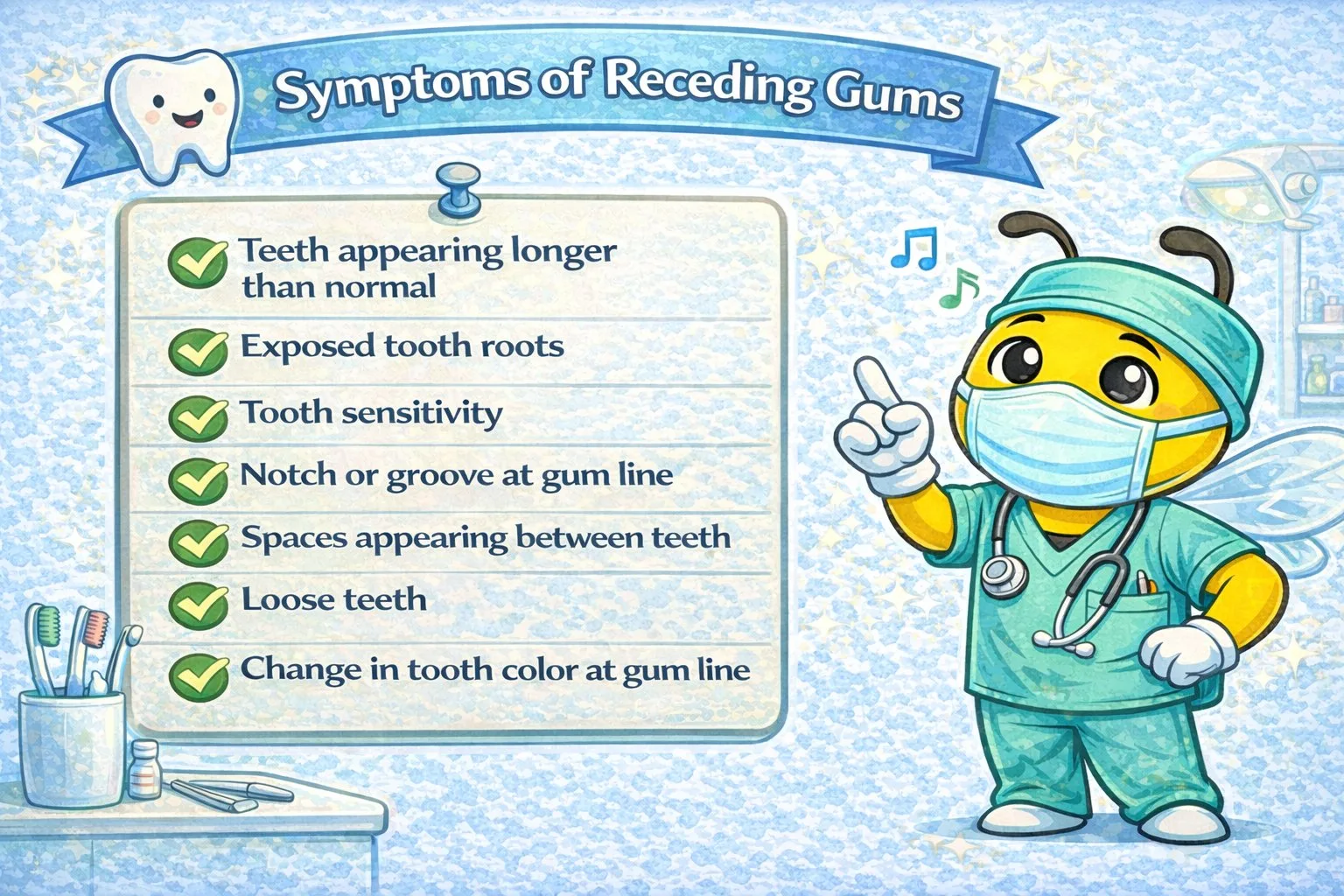
- Teeth appearing longer than normal
- Exposed tooth roots visible near gum line
- Tooth sensitivity to hot, cold, or sweet
- Notch or groove at gum line
- Spaces appearing between teeth
- Loose teeth (in advanced cases)
- Change in tooth color at gum line (root is darker than crown)
What Causes Gum Recession?
Gum Disease (Periodontitis)
The leading cause of gum recession. Bacterial infection destroys gum tissue and bone supporting teeth.
Periodontitis → | Gingivitis →
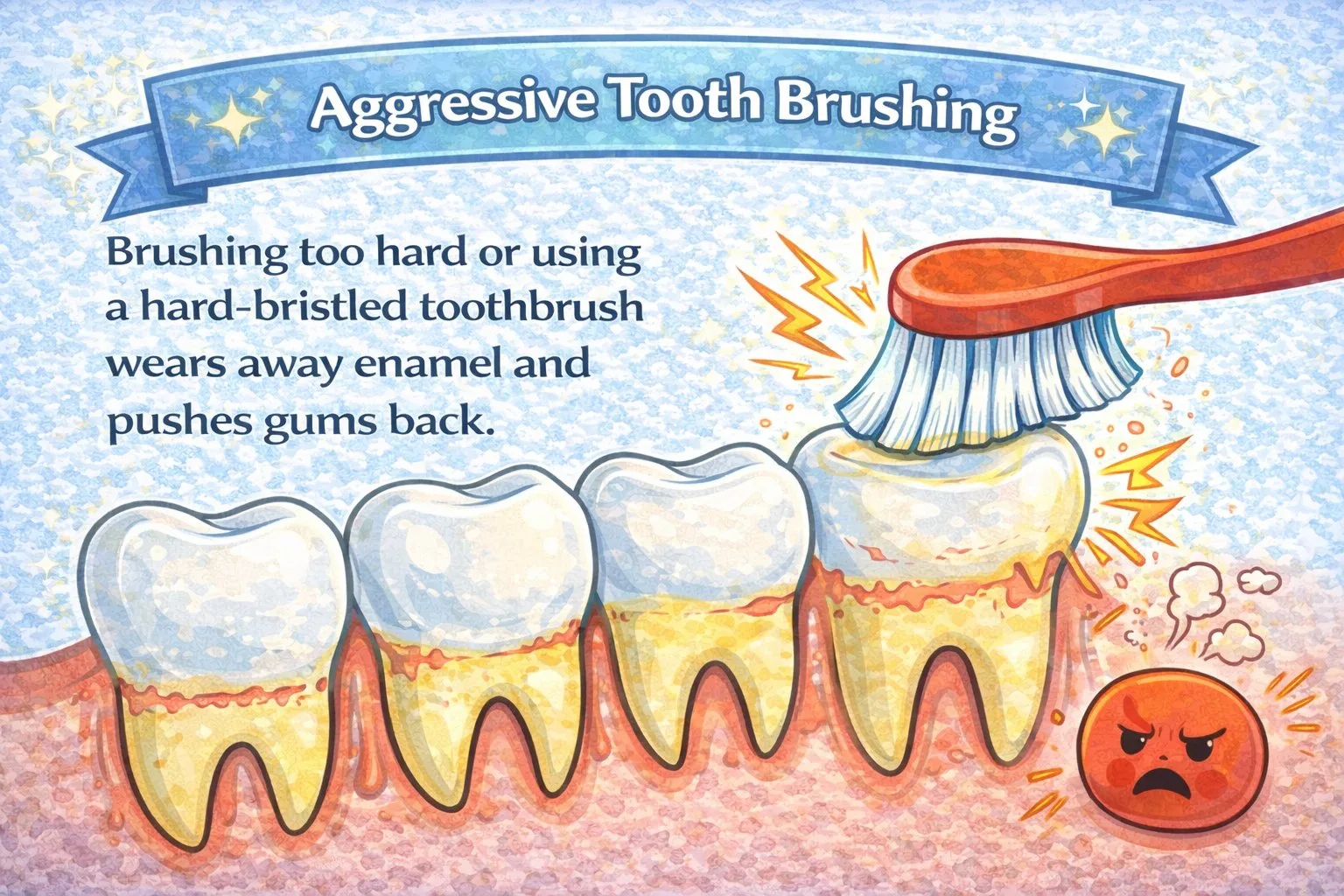
Aggressive Tooth Brushing
Brushing too hard or using a hard-bristled toothbrush wears away enamel and pushes gums back.
Other Causes:
- Genetics - Some people inherit thin, fragile gum tissue
- Tobacco Use - Smoking damages gum tissue and reduces blood flow
- Teeth Grinding (Bruxism) - Excessive force damages gum tissue over time
- Misaligned Teeth - Uneven forces on gums and bone cause recession
- Poor Oral Hygiene - Plaque leads to gum disease and recession
- Hormonal Changes - Pregnancy, menopause, or puberty
- Lip or Tongue Piercings - Jewelry rubs against gums
Can Receding Gums Grow Back?
Unfortunately, no. Once gum tissue has receded, it cannot grow back on its own. However, we can:
- Stop further recession with proper treatment
- Restore lost tissue through gum graft surgery
- Protect exposed roots from decay
- Reduce sensitivity significantly
- Improve appearance of your smile
Treatment Options for Receding Gums
Mild Recession
Improved Oral Hygiene: Gentle brushing technique with soft-bristled brush, daily flossing, antimicrobial mouthwash.
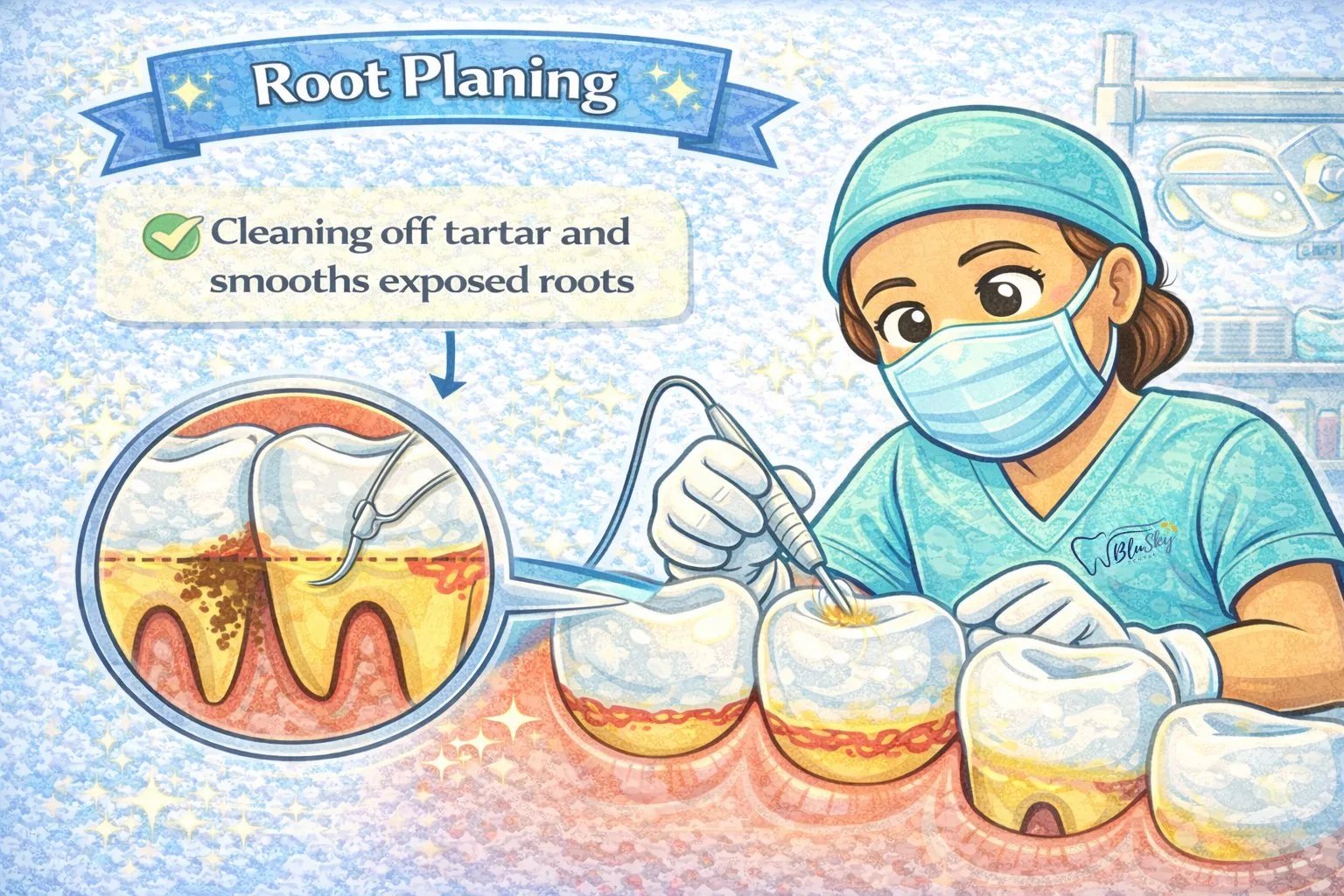
Scaling and Root Planing: Deep cleaning removes plaque and tartar, smooths root surfaces, helps prevent further recession.
Moderate to Severe Recession
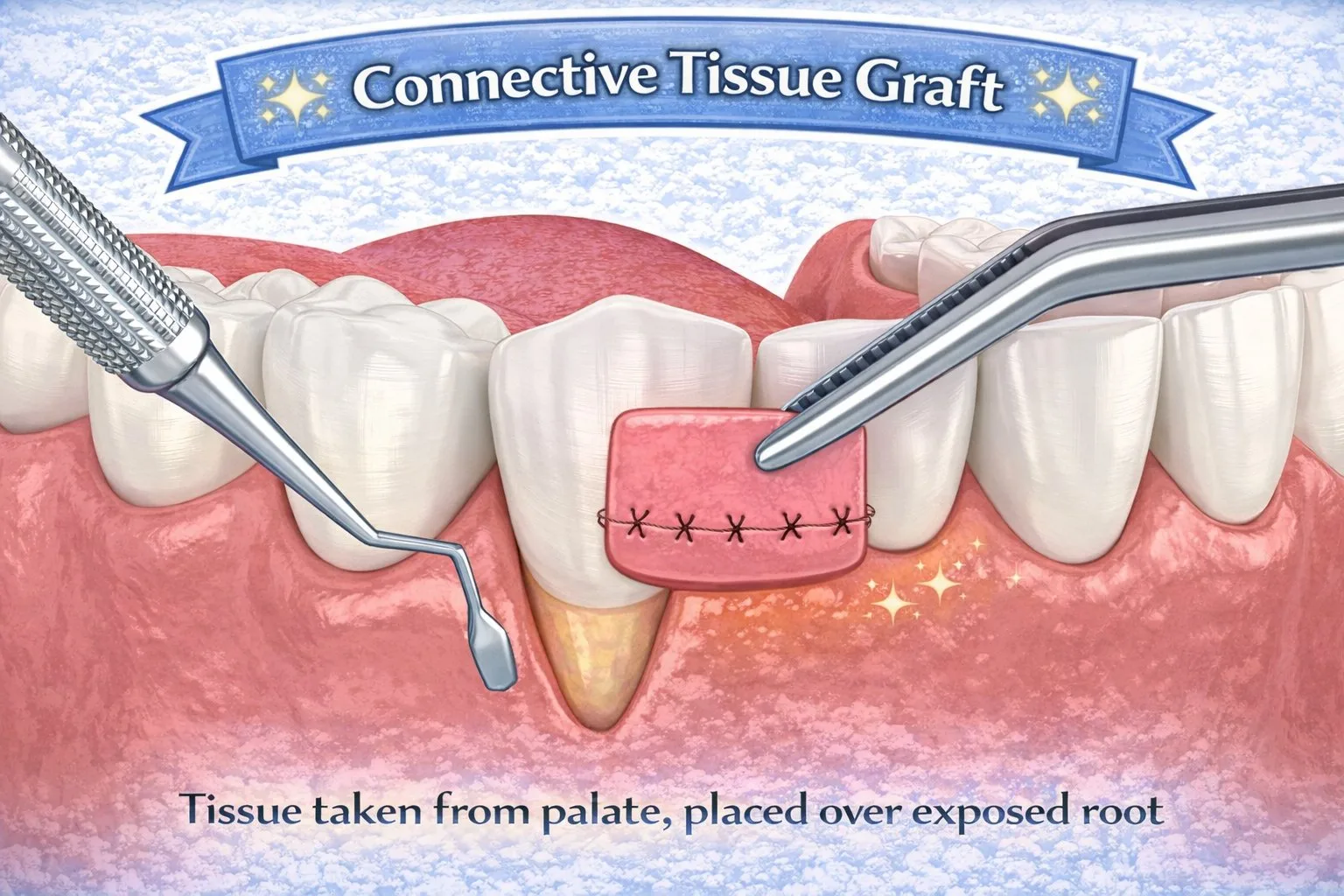
Gum Graft Surgery: Most effective treatment for receding gums:
- Connective Tissue Graft: Tissue taken from palate, placed over exposed root
- Free Gingival Graft: Tissue taken directly from palate
- Pedicle Graft: Tissue from adjacent gum stretched over exposed area
Benefits: Covers exposed roots, reduces sensitivity dramatically, protects roots from decay, improves appearance, prevents further recession.
Preventing Gum Recession
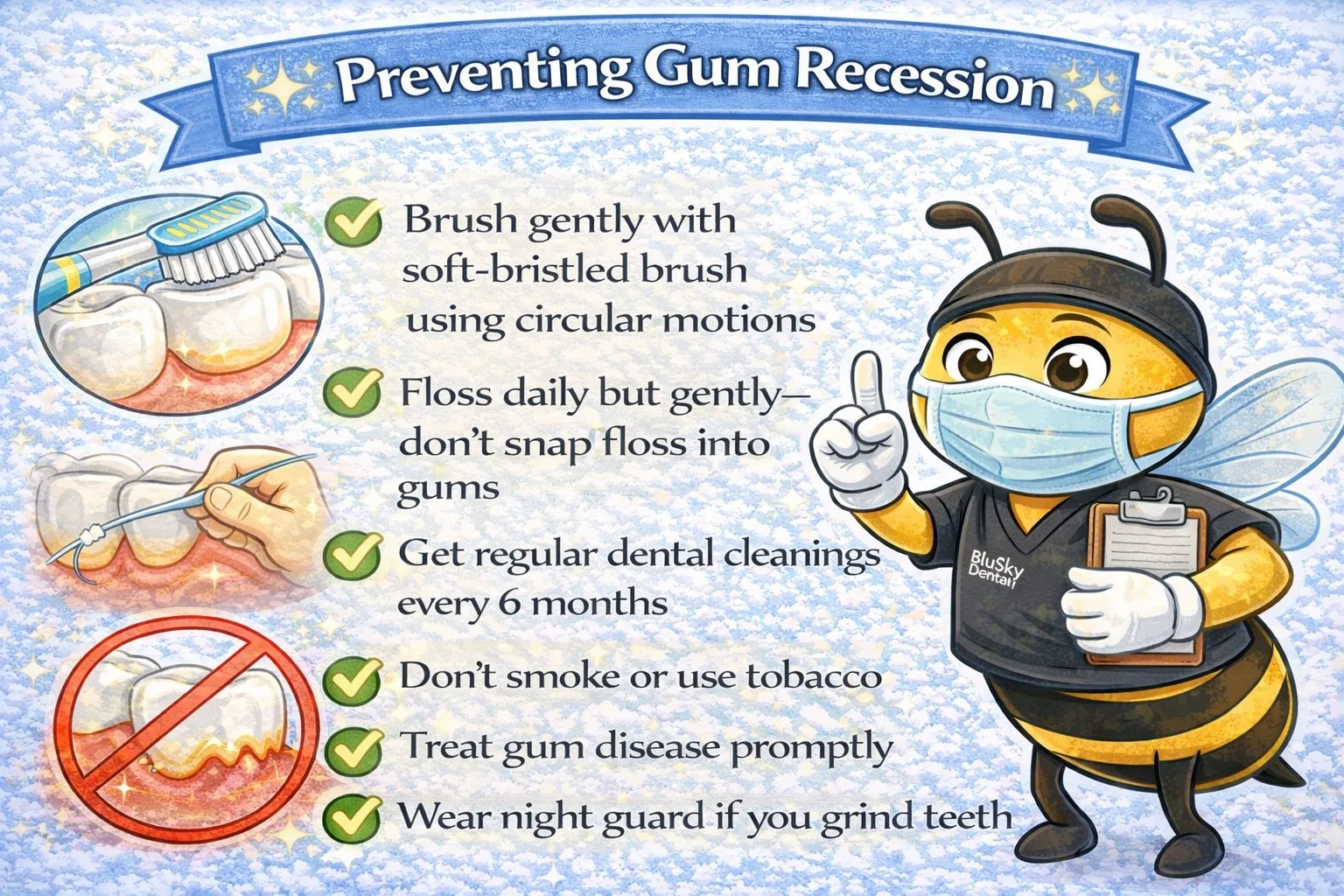
- Brush gently with soft-bristled brush using circular motions
- Floss daily but gently—don't snap floss into gums
- Get regular dental cleanings every 6 months
- Don't smoke or use tobacco
- Treat gum disease promptly
- Wear night guard if you grind teeth
- Address misaligned teeth
Oral Hygiene → | Dental Cleaning →
Complications of Untreated Recession
- Increased tooth sensitivity making eating/drinking uncomfortable
- Root decay - roots have no enamel protection
- Bone loss around affected teeth
- Tooth loss in severe cases
- Cosmetic concerns affecting confidence
Restore Your Gum Line and Smile
Why Choose BluSky for Gum Recession Treatment?
- Experienced in gum graft procedures
- Advanced surgical techniques minimize discomfort
- Natural-looking results
- Comprehensive care from diagnosis to maintenance
- Sedation options available
- Convenient Westboro location
Frequently Asked Questions About Receding Gums
Unfortunately, receding gums cannot grow back on their own. Once gum tissue has receded, it won't regenerate naturally. However, gum graft surgery can restore lost gum tissue, cover exposed roots, and prevent further recession.
Common causes include gum disease (periodontitis), aggressive tooth brushing, genetics, smoking, teeth grinding, misaligned teeth, and poor oral hygiene. Hormonal changes and certain medications can also contribute to gum recession.
The procedure is performed under local anesthesia, so you won't feel pain during surgery. Post-operative discomfort is typically mild and manageable with over-the-counter pain medication. Most patients return to normal activities within a few days.
Costs vary based on severity and treatment needed. Mild recession may only require improved oral hygiene and deep cleaning. Gum grafts are more extensive. Most insurance covers medically necessary gum procedures. We provide estimates before treatment.
Schedule Your Gum Recession Consultation
Don't let gum recession progress. Contact BluSky Dental Holland Cross for expert gum care and restoration.
Call: (613) 728-1511
Address: 20 – 1620 Scott Street, Ottawa, ON K1Y 4S7
Email: hollandcrossreception@blusky.dental
Hours: Monday – Friday: 8:00 AM – 5:00 PM
At BluSky we BEElieve in bringing life to your smile. 🐝