
Bleeding Gums: What It Means and How We Help
Bleeding gums are often the first warning sign of gum disease.

Healthy Gums Don't Bleed
Do you see pink in the sink when you brush? Blood on your floss? Bleeding gums are incredibly common—but they're not normal. Healthy gums don't bleed. At BluSky Dental, we treat the underlying cause of bleeding gums to restore your gum health and prevent serious problems.
Why Gums Bleed
The #1 Cause: Gingivitis
Most bleeding gums result from gingivitis—early gum disease caused by plaque buildup:
- Plaque accumulates at the gumline
- Bacteria irritate gum tissue
- Gums become inflamed
- Inflammation causes bleeding
The good news: Gingivitis is completely reversible with proper treatment.
Other Causes
Brushing Too Hard
Aggressive brushing damages gum tissue. Use a soft brush and gentle pressure.
New Flossing Routine
Gums may bleed initially when you start flossing. This typically resolves within 1-2 weeks of consistent flossing.
Hormonal Changes
Pregnancy, puberty, menstruation, and menopause can increase gum sensitivity and bleeding.
Medications
Blood thinners and some other medications increase bleeding tendency.
Vitamin Deficiencies
Vitamin C and K deficiencies can contribute to bleeding gums.
Medical Conditions
Diabetes, blood disorders, and immune conditions affect gum health.
Warning Signs to Watch
Occasional vs. Persistent Bleeding
| Occasional | Persistent (Concern) | |
|---|---|---|
| Frequency | Once in a while | Every time you brush |
| Duration | Resolves quickly | Ongoing for weeks |
| Amount | Minor amount | Significant bleeding |
| Context | New flossing routine | Despite good hygiene |
Associated Symptoms
See us if bleeding is accompanied by:
- Red, swollen, or puffy gums
- Tender or painful gums
- Persistent bad breath
- Gums pulling away from teeth
- Loose teeth
These may indicate progression to periodontitis.
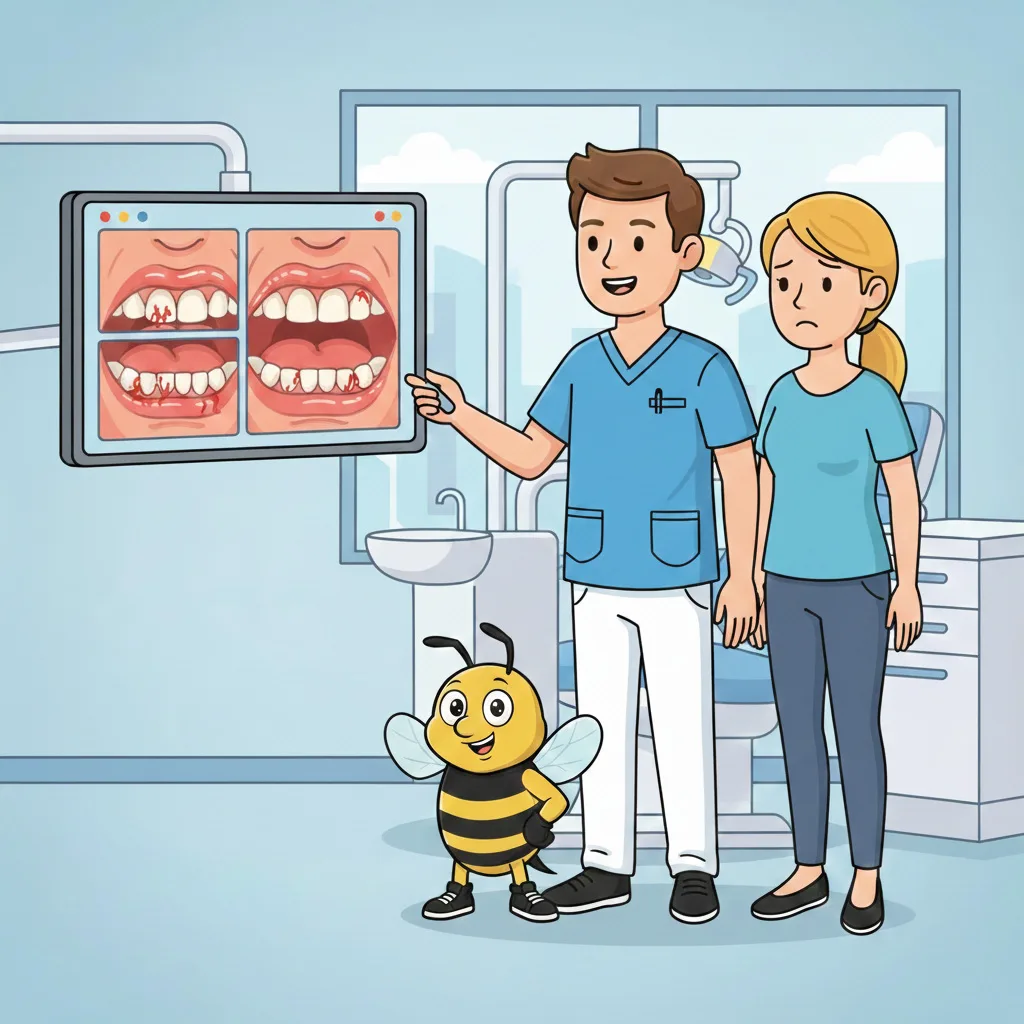
How We Treat Bleeding Gums
Step 1: Evaluation
We assess:
- Gum condition and pocket depths
- Plaque and tartar buildup
- Bleeding patterns
- Contributing factors
- Overall oral health
Step 2: Professional Cleaning
Thorough removal of plaque and tartar allows gums to heal:
- Scaling to remove buildup
- AIRFLOW® therapy for gentle, effective cleaning
- Polish and final assessment
Learn more about Dental Cleaning →
Step 3: Home Care Instruction
We'll show you proper techniques:
- Correct brushing method
- Effective flossing technique
- Appropriate products
- Problem areas to focus on
Step 4: Follow-Up
We may recommend:
- More frequent cleanings initially
- Antimicrobial rinse
- Monitoring for improvement
Advanced Treatment
If periodontitis is present:
- Scaling and root planing (deep cleaning)
- Antibiotic therapy
- Possible periodontal surgery
Stopping Bleeding Gums at Home
Improve Your Routine
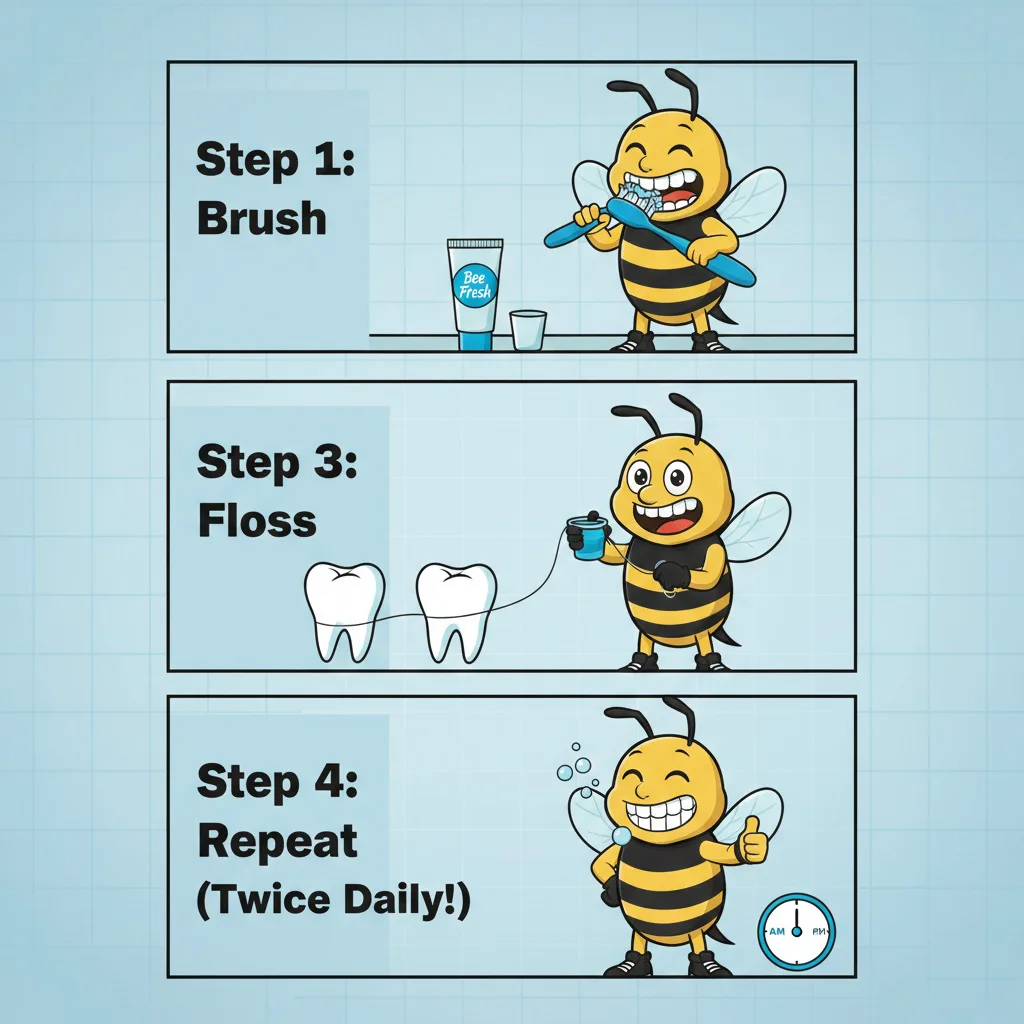
- Brush twice daily — 2 minutes, soft bristles
- Floss daily — Even if gums bleed initially
- Use antimicrobial mouthwash
- Don't skip the gumline — Angle brush 45° toward gums
What to Expect
When you improve your routine:
- Week 1: Bleeding may continue or increase slightly
- Week 2-3: Bleeding begins to decrease
- Week 4+: Significant improvement in most cases
Consistent effort pays off. If bleeding doesn't improve after 2 weeks of diligent care, see us for evaluation.
Lifestyle Factors
- Quit smoking (major gum disease risk)
- Manage diabetes
- Eat a balanced diet
- Stay hydrated
- Manage stress
Don't Ignore Bleeding Gums
Expert Gum Care
Bleeding is your gums asking for help. Early treatment is simple and effective—waiting leads to bigger problems.
- Thorough periodontal assessments
- Advanced AIRFLOW® cleaning technology
- Personalized home care guidance
- Gentle, compassionate care

Frequently Asked Questions
No. Healthy gums don't bleed. While common, bleeding indicates inflammation that needs attention.
No! Continue brushing and flossing. Stopping allows more plaque buildup and worsens the problem. Be gentle but consistent.
With improved hygiene and professional cleaning, most patients see improvement within 2-4 weeks. Persistent bleeding needs evaluation.
Yes. Untreated gum disease can progress to periodontitis, causing bone loss, loose teeth, and tooth loss. It's also linked to heart disease and diabetes complications.
Get Your Gums Healthy Again
Early treatment is the key to healthy gums. Let us help you stop the bleeding and prevent serious problems.
At BluSky we BEElieve in bringing life to your smile. 🐝