Gingivitis Treatment: Reverse Early Gum Disease in Ottawa
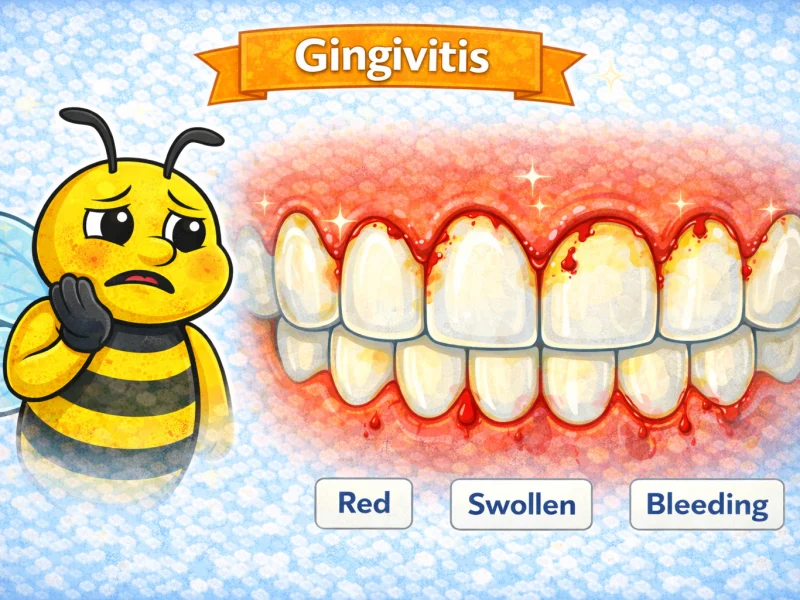
Are your gums bleeding when you brush? Do they look red and swollen? The good news is, you've caught it early. Gingivitis is completely reversible with the right care.

What Is Gingivitis?
Gingivitis is inflammation of the gums caused by plaque buildup. Plaque is a sticky film of bacteria that constantly forms on your teeth. When you don't remove it through regular brushing and flossing, it irritates your gum tissue, causing inflammation, redness, swelling, and bleeding.
The key word here is "reversible." Unlike periodontitis (advanced gum disease), gingivitis hasn't yet damaged the underlying bone or connective tissue. With professional treatment and improved oral care, you can completely eliminate gingivitis and restore your gums to perfect health.
Signs and Symptoms of Gingivitis
Gingivitis is often called the "silent" stage of gum disease because it rarely causes pain. Here's what to watch for:
Most Common Signs:
- Bleeding gums when brushing or flossing
- Red or dark red gums (healthy gums are pale pink)
- Swollen, puffy gums
- Tender gums that feel sore when touched
- Persistent bad breath that doesn't go away after brushing
- Receding gumline making teeth appear longer
- Shiny appearance of gums (from swelling)
Many people dismiss bleeding gums as normal or think they're "brushing too hard." The truth is, healthy gums don't bleed. If you're seeing pink in the sink when you brush, that's your gums asking for help.
What Causes Gingivitis?
Primary Cause: Plaque Buildup
The main culprit behind gingivitis is dental plaque—a colorless, sticky film of bacteria. This plaque constantly forms on your teeth, especially along the gumline. When it's not removed through brushing and flossing, it hardens into tartar (also called calculus) within 24-72 hours. Once plaque becomes tartar, you can't remove it with brushing alone—you need professional cleaning.
Risk Factors That Increase Your Chances:
- Poor oral hygiene - Inconsistent brushing and flossing
- Smoking or tobacco use - Weakens immune response and damages gum tissue
- Dry mouth - Reduced saliva allows more bacteria to accumulate
- Crooked or crowded teeth - Harder to clean effectively
- Diabetes - Affects body's ability to fight infections
- Hormonal changes - Pregnancy, menstruation, menopause
- Certain medications - Some drugs cause gum inflammation or reduce saliva
- Poor nutrition - Vitamin C deficiency affects gum health
Gingivitis vs. Periodontitis: Understanding the Difference
Gingivitis (Reversible)
- Affects only the gums
- Causes redness, swelling, bleeding
- No bone or tissue damage
- Completely reversible with treatment
- No permanent effects if treated
Periodontitis (Permanent Damage)
- Affects gums, bone, and supporting tissues
- Gums pull away from teeth, forming pockets
- Bone loss occurs
- Teeth may become loose
- Damage is permanent (though progression can be stopped)
- May lead to tooth loss
The progression from gingivitis to periodontitis isn't automatic or immediate. Gingivitis can exist for months or even years before advancing. However, once it becomes periodontitis, you can't reverse the damage—only prevent further deterioration.
How We Diagnose Gingivitis
When you visit BluSky Dental Holland Cross for gum concerns, we conduct a thorough periodontal examination:
Visual Examination
We check your gums for color (should be pale pink, not red), texture (should be firm, not puffy), bleeding (should be none), and recession (gums shouldn't pull away from teeth).
Periodontal Probing
We gently measure the depth of spaces between your gums and teeth. Healthy gums have shallow depths of 1-3mm. Depths of 4mm or more with bleeding indicate gum disease.
Plaque and Tartar Assessment
We identify areas with significant plaque or tartar buildup that require professional removal.
X-Rays (if needed)
Digital X-rays help us check for bone loss, which would indicate progression to periodontitis.
Treatment for Gingivitis
The good news: Treating gingivitis is straightforward and highly effective. Most patients see dramatic improvement within 1-2 weeks.
Professional Dental Cleaning
The first and most important step is professional cleaning (prophylaxis). Our dental hygienists will:
- Remove all plaque and tartar above and below the gum line
- Polish your teeth to remove surface stains and make teeth smooth (harder for plaque to stick)
- Provide personalized oral hygiene instruction to prevent recurrence
This typically takes 30-60 minutes and is painless.
Improved Home Oral Hygiene
Brush Properly: Twice daily for 2 minutes, using a soft-bristled toothbrush and fluoride toothpaste. Pay special attention to the gumline.
Floss Daily: Once per day minimum. Use proper technique and don't skip teeth.
How Long Does It Take to Reverse Gingivitis?
With professional treatment and proper home care, you can reverse gingivitis quickly:
- 3-7 days: Reduced bleeding and swelling
- 1-2 weeks: Significant improvement in gum color and texture
- 2-4 weeks: Complete reversal in most cases
Preventing Gingivitis from Returning
Daily Prevention:
- Brush twice daily for 2 minutes
- Floss once daily without fail
- Use antimicrobial mouthwash if recommended
- Maintain healthy lifestyle habits
Professional Prevention:
- Professional cleaning every 6 months minimum
- More frequent visits if you're high-risk
- Address problems promptly if symptoms return
Reverse Gingivitis Before It Progresses
Why Choose BluSky Dental for Gingivitis Treatment?
- Gentle, thorough cleanings by experienced hygienists
- Personalized care tailored to your specific situation
- Advanced technology for early detection
- Patient education to maintain optimal gum health
- Convenient Westboro location
- Same-day appointments available
Frequently Asked Questions About Gingivitis
Yes! Gingivitis is completely reversible with professional dental cleaning and improved oral hygiene at home. Unlike advanced gum disease, gingivitis hasn't caused permanent damage to the bone or tissues supporting your teeth, so prompt treatment can restore complete gum health.
With professional cleaning and diligent home care, you can reverse gingivitis in 1-2 weeks. Most patients notice reduced bleeding and swelling within a few days of starting proper oral hygiene habits. Complete resolution typically occurs within 10-14 days.
Bleeding gums when brushing is the most common sign of gingivitis. It indicates inflammation caused by plaque buildup along the gumline. Healthy gums don't bleed with gentle brushing. If your gums bleed regularly, schedule a dental cleaning to remove plaque and tartar.
Gingivitis is early-stage gum disease affecting only the gums. It's reversible. Periodontitis is advanced gum disease that has damaged the bone and tissues supporting teeth, creating deep pockets and potentially causing tooth loss. Periodontitis requires more intensive treatment and the damage is permanent.
Gingivitis typically doesn't cause significant pain, which is why many people don't realize they have it. You may notice tender or sensitive gums, especially when brushing, but severe pain is uncommon. This lack of pain is why regular dental checkups are so important for early detection.
Don't Let Gingivitis Progress—Get Treatment Today
Bleeding gums aren't normal, and they won't get better on their own. The good news? Gingivitis is completely reversible when you take action now.
Call: (613) 728-1511
Address: 20 – 1620 Scott Street, Ottawa, ON K1Y 4S7
Email: hollandcrossreception@blusky.dental
Hours: Monday – Friday: 8:00 AM – 5:00 PM
At BluSky we BEElieve in bringing life to your smile. 🐝