
Diabetes and Gum Disease: The Critical Connection
Understanding the oral health connection

Your Oral Health Needs Special Attention
If you have diabetes, your oral health needs special attention. Research shows a powerful two-way relationship between diabetes and gum disease—each condition makes the other worse. At BluSky Dental, we help Ottawa patients with diabetes maintain healthy gums and protect their overall health.
Managing gum disease may help manage your diabetes. Managing diabetes protects your gums.
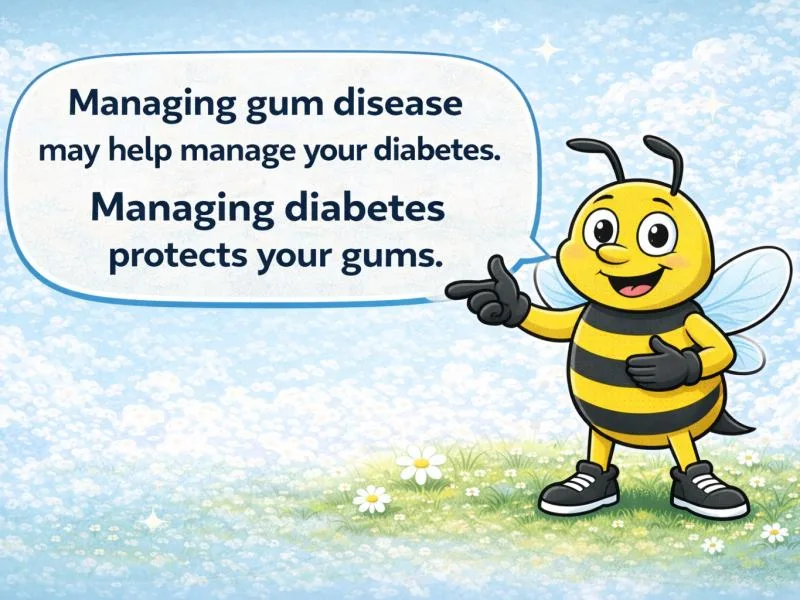
The Diabetes-Gum Disease Connection
How Diabetes Affects Your Gums
Diabetes impacts oral health in several ways:
Reduced Infection Resistance
High blood sugar weakens the immune system, making it harder to fight bacterial infections—including gum disease.
Impaired Healing
Diabetics heal more slowly from infections and procedures. Gum disease progresses faster and is harder to treat.
Dry Mouth
Diabetes and many diabetes medications reduce saliva production, increasing bacteria growth and decay risk.
Blood Vessel Changes
Diabetes affects blood vessels, reducing blood flow to gums and limiting their ability to stay healthy.
How Gum Disease Affects Diabetes
The relationship goes both directions:
Worsens Blood Sugar Control
Gum disease triggers inflammation that can increase insulin resistance and make blood sugar harder to control.
Increases Diabetes Complications
Chronic inflammation from gum disease may worsen other diabetes complications affecting the heart, kidneys, and eyes.
May Affect A1C Levels
Studies show treating gum disease can improve A1C levels in some diabetic patients.
The Numbers
- Diabetics are 2-3 times more likely to develop gum disease
- 1 in 5 diabetics has severe periodontal disease
- Severe gum disease may increase A1C by 0.5-1%
- Poor blood sugar control significantly increases gum disease risk
Warning Signs to Watch For
If you have diabetes, be alert to:
Gum Changes
- Red, swollen, or tender gums
- Gums that bleed when brushing or flossing
- Gums pulling away from teeth
- Pus between teeth and gums
Tooth Changes
- Loose teeth
- Changes in bite
- Teeth shifting position
Other Signs
- Persistent bad breath
- Slow-healing mouth sores
- Dry mouth
- Fungal infections (thrush)
Don't wait for symptoms. Gum disease can progress significantly without pain. Regular exams catch problems early.
How We Help Diabetic Patients
Comprehensive Care
We provide thorough periodontal evaluation including:
- Complete gum examination
- Pocket depth measurements
- X-rays to assess bone levels
- Review of diabetes management
- Assessment of other risk factors
More Frequent Monitoring
Diabetic patients often benefit from:
- Dental exams every 3-4 months
- Professional cleanings more frequently
- Careful tracking of gum health over time
Coordinated Treatment
We work with your medical team:
- Communicate with your physician when needed
- Time procedures appropriately
- Consider blood sugar levels in treatment planning
- Monitor healing carefully
Aggressive Prevention
For diabetic patients, prevention is especially important:
- Thorough professional cleanings
- Prescription fluoride when indicated
- Dry mouth management
- Patient education for optimal home care
Managing Both Conditions
Control Your Blood Sugar
Good diabetes management is the foundation:
- Follow your diabetes treatment plan
- Monitor blood sugar regularly
- Take medications as prescribed
- Maintain healthy diet and exercise
- Keep A1C in target range
The better your blood sugar control, the lower your gum disease risk.
Maintain Excellent Oral Hygiene
Daily care is critical:
- Brush twice daily for 2 minutes
- Floss every day
- Use antimicrobial mouthwash if recommended
- Clean dentures thoroughly daily (if applicable)
- Check gums for changes regularly
Stay Hydrated
Combat dry mouth:
- Drink water throughout the day
- Use saliva substitutes if needed
- Avoid alcohol and caffeine excess
- Chew sugar-free gum
Don't Skip Dental Appointments
Regular care catches problems early:
- Professional cleanings every 3-4 months
- Comprehensive exams as recommended
- Immediate attention to any concerns
Don't Smoke
Smoking dramatically worsens both conditions:
- Increases gum disease risk
- Makes treatment less effective
- Worsens diabetes complications
Before Dental Procedures
What We Need to Know
Please tell us:
- Type of diabetes (Type 1 or Type 2)
- Current medications
- Recent A1C and blood sugar levels
- Any diabetes complications
- Your physician's contact information
Timing Procedures
For optimal healing:
- Schedule morning appointments when possible
- Eat normally before your visit
- Bring any diabetes medications or supplies
- Let us know if blood sugar is unusually high or low
After Procedures
We'll provide:
- Specific healing instructions
- Signs to watch for
- When to call us
- Follow-up appointments as needed
Frequently Asked Questions
Gum disease doesn't cause diabetes. However, chronic inflammation from gum disease may affect blood sugar control in people who already have diabetes or prediabetes.
Good diabetes control significantly reduces gum disease risk but doesn't eliminate it. You still need excellent oral hygiene and regular dental care.
Absolutely. Knowing about your diabetes helps us provide better, safer care and monitor for diabetes-related oral changes.
Research suggests treating severe gum disease may modestly improve A1C in some patients. It's not a substitute for diabetes management but may help.
Most diabetic patients benefit from cleanings every 3-4 months rather than the standard 6 months. We'll recommend a schedule based on your individual needs.
Protect Your Health at BluSky Dental
Comprehensive Care for Diabetic Patients
If you have diabetes, comprehensive dental care is an essential part of managing your health. We understand the unique needs of diabetic patients and provide care tailored to you.

At BluSky we BEElieve in bringing life to your smile. 🐝